The Silent Emergency: Astronaut's Mystery Neurological Event Reveals Critical Gaps in NASA's Artemis-Era Human Health Planning
Astronaut Michael Fincke's unexplained loss of speech on the ISS underscores unaddressed neurological risks for NASA's Artemis lunar missions, revealing gaps in the optimistic space narrative through synthesis of the primary report, the NASA Twins Study, and neurological reviews in space physiology.
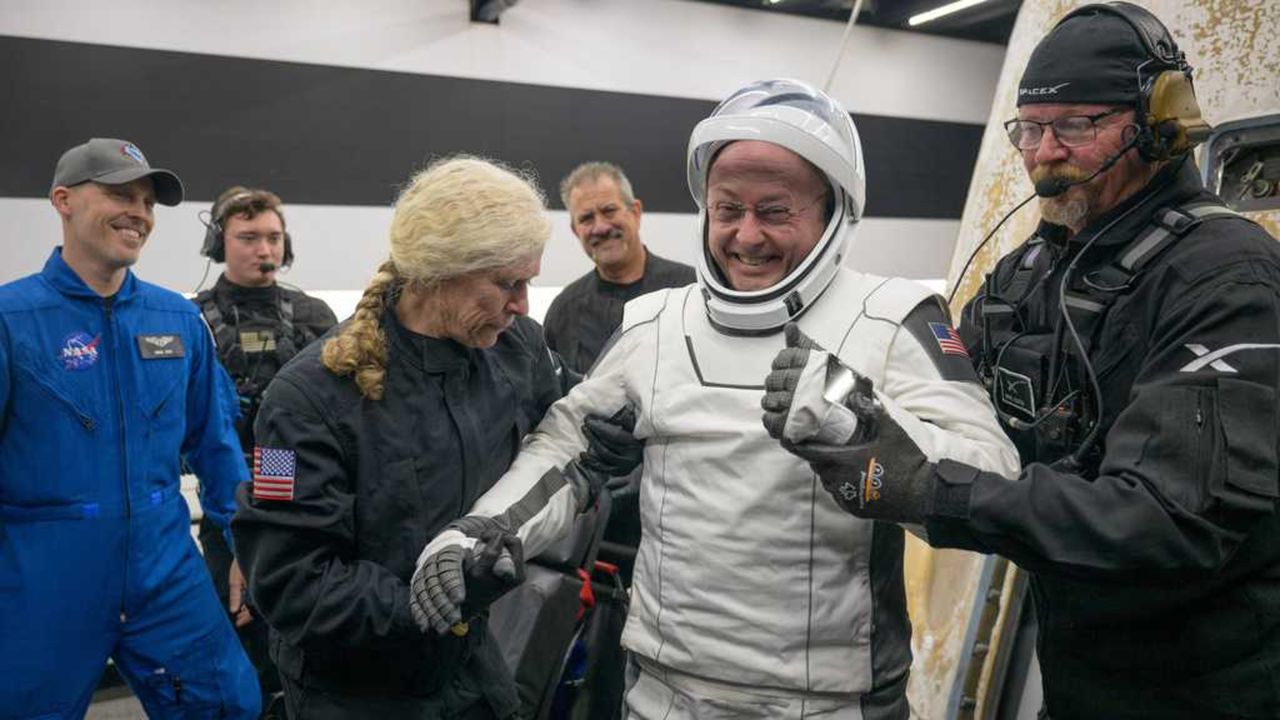
When veteran NASA astronaut Michael Fincke suddenly lost the ability to speak during a mission aboard the International Space Station, the incident was more than an isolated medical anomaly—it exposed fundamental vulnerabilities in human physiology under spaceflight conditions. The original Live Science coverage accurately reported the event but underplayed its broader significance, framing it primarily as a reminder of unknowns rather than a symptom of systemic underinvestment in deep-space medicine. What the piece missed is how such neurological events align with patterns seen in prior missions, including transient cognitive impairments and visual disturbances linked to Spaceflight-Associated Neuro-ocular Syndrome (SANS).
Synthesizing the primary report with the NASA Twins Study (published in Science, 2019, n=1 astronaut with 340 days in space compared to his Earth-bound twin, limitations include extremely small sample size and lack of generalizability) and a 2022 peer-reviewed review in Frontiers in Astronomy and Space Sciences on neurological risks (analyzing observational data from 20+ ISS astronauts, noting methodological constraints like absence of control groups and confounding variables from individual health histories), a clearer picture emerges. These events are not random; they likely stem from combined effects of microgravity-induced fluid shifts, cosmic radiation exposure, and psychological stressors—factors that intensify dramatically beyond low-Earth orbit.
As NASA accelerates the Artemis program with plans for sustained lunar presence by the late 2020s, the optimistic narrative of seamless human expansion into space typically omits these human costs. Unlike the ISS, where emergency evacuation to Earth is feasible within hours, lunar or Mars missions offer no such safety net. Fincke's episode, occurring in a relatively protected environment, suggests the risk of mission-compromising neurological events could rise sharply with increased radiation and mission durations. Previous coverage has also underreported how current countermeasures remain limited: exercise regimens and pharmacological interventions show inconsistent results across small cohorts, with no large-scale randomized trials possible in space.
This incident connects to a pattern of under-addressed risks, including the 2015-2016 findings from Scott Kelly's mission and multiple reports of cognitive 'fogginess' among crew. The space agency's own Human Research Program has flagged these as 'red' risks for exploration-class missions, yet public communications and congressional briefings continue to emphasize engineering triumphs over biological uncertainties. Addressing this requires not just more funding for space medicine but a cultural shift away from treating astronaut health as secondary to hardware development.
HELIX: This neurological event signals that private space travelers and future Mars colonists could face sudden health crises with limited medical help, meaning ordinary people dreaming of space vacations may need to weigh serious personal risks until protective technologies advance.
Sources (3)
- [1]Mystery medical episode that left astronaut unable to speak shows one of NASA's biggest risks as moon missions ramp up(https://www.livescience.com/space/space-exploration/mystery-medical-episode-that-left-astronaut-unable-to-speak-shows-one-of-nasas-biggest-risks-as-moon-missions-ramp-up)
- [2]The NASA Twins Study: A Multidimensional Analysis of a Year-Long Human Spaceflight(https://www.science.org/doi/10.1126/science.aau8650)
- [3]Neurological and ocular risks in human spaceflight: Current understanding and future directions(https://www.frontiersin.org/articles/10.3389/fspas.2022.1008625/full)