30-Year Treasury Yield Hits 19-Year High Amid 'Door of Doom' Warning, Signaling Deeper Debt-Market Stress and Fiscal Risks
Corroborated surge in 30-year Treasury yields to 19-year highs near 5.2% signals inflation repricing, technical breakdowns, and under-discussed fiscal instability risks including exploding U.S. debt service costs and potential bond market unraveling.
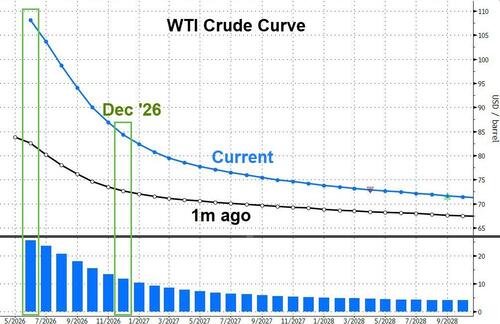
The 30-year U.S. Treasury yield climbed to 5.195%, its highest level since July 2007, following aggressive selling in Treasury futures markets that unwound large long positions established in mid-May. This surge, which pushed the benchmark long bond above the 5.20% 'door of doom' threshold flagged by Bank of America's Michael Hartnett, reflects renewed investor focus on reaccelerating inflation driven by oil market disruptions—particularly concerns over potential lengthy interruptions in Hormuz traffic that have lifted year-end crude prices sharply. Data from the St. Louis Fed's FRED database and real-time quotes confirm the 30-year yield has traded in the 5.12-5.18% range in recent sessions, marking levels not seen in nearly two decades.[1][2]
Mainstream coverage from Yahoo Finance and Investing.com notes the 30-year yield breaking to its highest closing level since June 2007, with the selloff extending into a third week and reverberating across the curve: the 10-year note has climbed toward 4.6% and the 2-year toward 4.1%. Large block trades in 10-year bond futures—totaling over $2.8 million DV01 risk—appear to represent liquidation of longs entered near 110-00, according to Bloomberg terminals referenced in market reports. Nomura's Charlie McElligott highlighted the hawkish repricing of central bank policy paths amid 'overheating' U.S. demand signals and supply shocks.[3]
While much financial reporting frames this as a technical inflation response or temporary repricing, deeper analysis reveals mounting stress in the debt markets with implications for broader U.S. fiscal instability. Sustained yields at these levels dramatically increase federal interest expenses on a national debt already exceeding $35 trillion. Higher long-term borrowing costs threaten to crowd out private investment, pressure mortgage rates, and strain liability-driven investors such as pension funds that may be forced to sell into a falling market if the 5.20-5.44% technical breakdown levels are breached. WSJ reporting on the ongoing Treasurys selloff underscores how these moves are not isolated but part of a global bond rout.[4]
Optimistic equity-focused coverage often downplays these warnings, yet crossing Hartnett's 'door of doom' has historically preceded sharper equity corrections as capital reallocates away from risk assets. Geopolitical oil risks compound domestic overheating signals, limiting the Fed's ability to deliver anticipated rate cuts and potentially forcing a 'no cuts or even hikes' scenario by year-end. This dynamic risks exposing the unsustainability of current fiscal trajectories: without meaningful spending restraint or growth acceleration, rising debt service costs could accelerate a feedback loop of higher deficits and yields. Market participants should monitor whether liability-driven buying emerges to stabilize the long end, or if this marks the beginning of a more profound repricing of U.S. sovereign risk.
Liminal: Yields breaking the 5.20% door of doom will likely force pension and insurance selling, adding $200B+ annually to U.S. interest costs and exposing fiscal fragility beneath optimistic growth narratives.
Sources (4)
- [1]The 30-year Treasury yield just broke to its highest level in almost 20 years(https://finance.yahoo.com/markets/article/the-30-year-treasury-yield-just-broke-to-its-highest-level-in-almost-20-years-150725414.html)
- [2]Treasury yields soar as bond sell-off grips markets; US30Y hits highest since 2007(https://www.investing.com/news/stock-market-news/treasury-yields-soar-as-bond-selloff-grips-markets-us30y-hits-highest-since-2007-4693372)
- [3]Market Yield on U.S. Treasury Securities at 30-Year Constant Maturity(https://fred.stlouisfed.org/series/DGS30)
- [4]U.S. 30 Year Treasury Bond(https://www.wsj.com/market-data/quotes/bond/BX/TMUBMUSD30Y/)