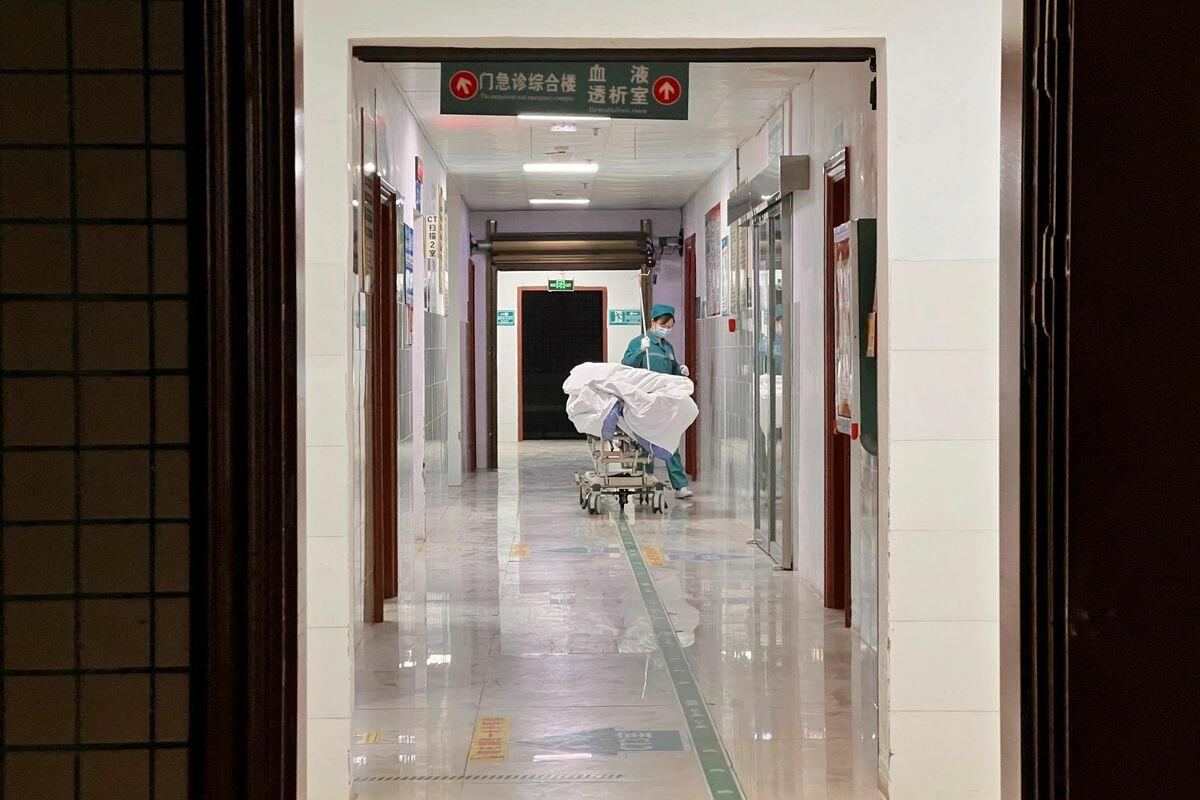
China Hospital Wage Cuts and Protests Reflect Global Healthcare Labor Strains Under Economic Pressure
Corroborated reports detail wage cuts, bonus halts, and protests at Chinese hospitals due to fiscal strains, linking to wider economic and policy factors with parallels in global healthcare labor challenges.
Public hospitals across multiple Chinese provinces have implemented base salary reductions of up to 20% and halted performance bonuses, with some nurses reporting monthly pay falling below 2,000 yuan amid mounting institutional debts and shifting health insurance policies. These developments, documented through worker accounts and labor monitoring, align with a pattern of financial distress affecting healthcare providers.
In November 2025, roughly 100 medical staff at Suihua People's Hospital in Heilongjiang staged a protest demanding five to six months of unpaid wages and social security contributions, continuing to work while seeking resolution. Similar actions occurred at Hedong Hospital in Linyi, Shandong, where videos from April 2026 showed collective work stoppages over nearly two years of arrears, leading to temporary suspension of services and labor bureau investigations.
Broader evidence points to systemic issues. A HuayiNet survey indicated nearly 58% of medical staff experienced pay reductions in 2024, with private hospitals facing closures. The New York Times reported over 200 hospital bankruptcies in five years, driven by post-pandemic revenue drops, local government budget shortfalls, and efforts to control healthcare spending. Radio Free Asia documented parallel protests by medical workers in Gansu and other regions, where base salaries dipped to 1,300 yuan with unpaid bonuses.
These pressures echo challenges for healthcare workers globally, where economic austerity, inflation, and shifting funding models have prompted pay freezes, bonus clawbacks, and strikes in various countries. In China, reduced fiscal allocations force hospitals to seek revenue from patients or cut costs, exacerbating access issues for the public and burnout among staff. Connections to policy changes, such as medical insurance adjustments, highlight how macroeconomic slowdowns—exacerbated by real estate sector woes—ripple into essential services, affecting both providers and patients.
While official responses include calls to address arrears, the pattern suggests vulnerabilities in public institution financing that could intensify if unaddressed, mirroring concerns for healthcare professionals navigating similar fiscal constraints worldwide.
LIMINAL: Localized wage protests and pay squeezes in China's hospitals underscore how fiscal tightening in public services can erode workforce stability, potentially amplifying recruitment and retention crises for healthcare roles amid ongoing economic headwinds.
Sources (5)
- [1]Chinese Hospital Bankruptcies Soar Amid Financial Strains(https://www.nytimes.com/2025/02/20/business/china-hospital-bankruptcy.html)
- [2]Chinese workers stage protests over unpaid wages as economic woes persist(https://www.rfa.org/english/china/2025/05/21/china-economy-workers-wage-protests/)
- [3]When doctors earn 3,000 RMB: China’s healthcare pay squeeze(https://www.thinkchina.sg/society/when-doctors-earn-3000-rmb-chinas-healthcare-pay-squeeze)
- [4]临沂河东医院因拖欠工资致“停诊”(https://sd.china.com/cjzx/20000936/20260412/25996651.html)
- [5]Wage Cuts Hit Hospital Workers in China as Financial Pressures Mount(https://www.theepochtimes.com/china/wage-cuts-hit-hospital-workers-in-china-as-financial-pressures-mount-6095250)