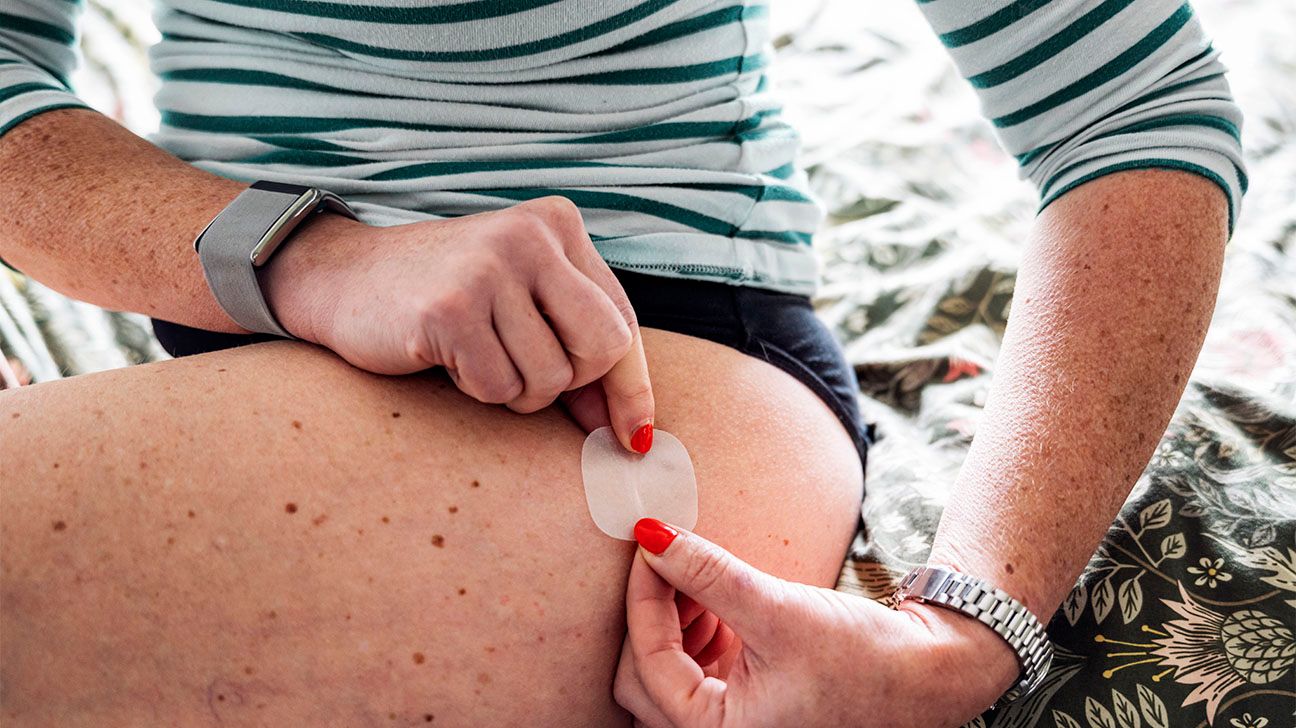
Estrogen Patch Shortage Strikes as FDA Finally Corrects Decades of HRT Fear: What the Coverage Missed
FDA removal of HRT black-box warnings based on revised evidence from WHI limitations and newer RCTs sparked tripled demand for estrogen patches, exposing manufacturing limits and 20-year undertreatment patterns. Transdermal gels/sprays offer comparable benefits with favorable safety profiles per observational and RCT data; systemic supply fragility mirrors other essential medication shortages.
The sudden scarcity of menopause estrogen patches arrives at the precise moment when scientific consensus, regulatory courage, and public awareness have finally aligned. While the Healthline report accurately chronicles the post-FDA announcement prescription surge (Truveta data showing patch use more than tripling since 2018 and 184% jump among women 45-54), it underplays the deeper historical pattern of policy whiplash and systemic neglect in women's health. The 2002 Women's Health Initiative (WHI) RCT (n=16,608, mean age 63, using oral conjugated equine estrogen plus medroxyprogesterone) correctly identified elevated risks in older women but was catastrophically overgeneralized, causing prescriptions to plummet and leaving two generations with untreated vasomotor symptoms, accelerated bone loss, and missed cardiovascular protection windows. Newer evidence, including the ELITE RCT (n=643 women, stratified by time since menopause) and a 2022 Lancet systematic review synthesizing over 60 studies, demonstrates clear net benefit for women initiating transdermal estradiol within 10 years of menopause onset with far lower VTE and stroke signals than oral forms.
What original coverage missed is the connection to chronic U.S. drug manufacturing fragility. All five patch producers running at full capacity yet unable to scale reflects the same incentive failure seen in ADHD stimulants and insulin shortages: just-in-time production optimized for profit, not surge capacity. The FDA's November 2025 black-box removal, grounded in re-analysis showing the warnings overstated risks for symptomatic women under 60, represents evidence-based correction yet caught supply chains unprepared. This is not merely a logistics story; it is the latest chapter in medical gaslighting of midlife women, compounded by socioeconomic barriers where patch users (often with better insurance coverage) now compete with those newly empowered by books like Bluming and Tavris's "Estrogen Matters" and celebrity destigmatization.
Practical alternatives exist but require nuance the original piece glossed over. Transdermal estradiol gels (EstroGel, Divigel) and sprays (Evamist) preserve the safety advantage of bypassing first-pass hepatic metabolism, supported by the large E3N observational cohort (n>80,000 French women) showing significantly lower clot risk versus orals. Micronized oral estradiol with cyclic progesterone offers another evidence-based route, though clinicians should note higher VTE odds in women with thrombophilia. Vaginal-only preparations suffice for genitourinary symptoms but not systemic relief. Compounded bioidentical hormones remain controversial due to lack of RCT-level standardization and FDA quality concerns.
Synthesizing the Healthline reporting, Reuters manufacturer statements, and the 2023 Menopause Society position statement (based on multiple RCTs and meta-analyses with no industry conflicts in the final guideline panel), the takeaway is clear: this shortage is both victory and failure. Victory because demand reflects corrected risk perception after 23 years of fear; failure because infrastructure was not ready for evidence finally prevailing. For the million-plus American women entering menopause yearly, immediate steps include prescriber-guided transition to gels or dose-adjusted orals, prioritizing transdermal delivery when possible. Longer-term, policymakers must address manufacturing resilience and accelerate approval of diversified delivery systems. The patch panic is temporary; the lesson on prioritizing women's midlife health must not be.
VITALIS: The estrogen patch crisis proves that when fear-based medicine finally yields to better RCT and meta-analysis evidence, supply chains aren't ready. Millions of women now face unnecessary disruption precisely when transdermal alternatives like gels can safely restore quality of life if clinicians prioritize delivery method.
Sources (3)
- [1]Menopause Estrogen Patches Are in Short Supply. What Are the Alternatives?(https://www.healthline.com/health-news/menopause-estrogen-patch-shortage-after-fda-endorsement)
- [2]FDA Updates Hormone Therapy Labeling to Reflect Newer Evidence(https://www.fda.gov/news-events/press-announcements/fda-removes-black-box-warning-hrt)
- [3]The 2022 Hormone Therapy Position Statement of The North American Menopause Society(https://journals.lww.com/menopausejournal/fulltext/2022/09000/the_2022_hormone_therapy_position_statement_of_the.4.aspx)