Iran Pivots to 'Fully Offensive' Stance, Rejects IRGC Backchannel as Trump Warns Oman and Tensions Escalate in Hormuz and Kurdistan
Iran's reported shift to offensive posture, IRGC's backchannel denial, Trump's Oman threat, and drone strikes on Kurdish leadership form a pattern of closing diplomatic off-ramps while heightening Hormuz and regional flashpoints.
A senior Iranian official told Reuters that Tehran has shifted from a defensive to a 'fully offensive' policy in its standoff with the United States, setting a deadline of a few weeks for full implementation of a memorandum of understanding (MoU) amid stalled diplomacy. If the U.S. naval blockade persists, Iranian entities are prepared to escalate in the Strait of Hormuz and the broader region, the official warned.[1][2]
This policy pivot coincides with Iran's Revolutionary Guard Corps (IRGC) categorically denying any direct backchannel communications with the Trump administration. An IRGC spokesperson, via Tasnim, dismissed Trump's claims as 'delusions stemming from defeat,' stating there are 'no talks between IRGC officials and Americans.' Trump, in a Fox News interview, confirmed the existence of such a channel while urging Iran to 'wave the white flag of surrender' and threatening to 'bomb the s**t out of' Oman if it interferes with efforts to secure Hormuz traffic.[3][4][5]
The backchannel reportedly involved Kurdistan Region President Nechirvan Barzani as a trusted intermediary, per Axios reporting cited in multiple outlets. In a notable development, Iranian drones targeted the office of Kurdistan Prime Minister Masrour Barzani and the residence of the head of the Security and Intelligence Agency in Erbil's Pirmam district on August 17, with no casualties reported. Kurdish authorities identified the projectiles as Hadid-110 drones launched from Iran.[6][7]
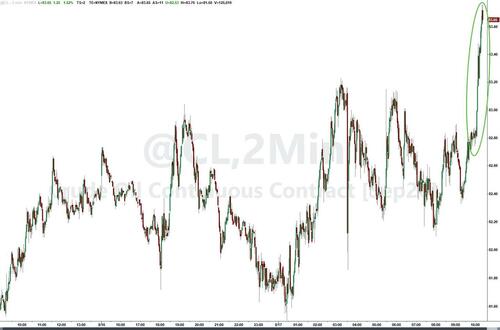
Separately, UAE-linked oil tankers have faced drone attacks and seizures in the Strait of Hormuz in recent days, contributing to disrupted shipping and oil price volatility, though traffic is monitored amid U.S. Navy escorts.[8]
Deeper connections emerge around the Barzani family's role: while Nechirvan facilitated discreet U.S.-IRGC contacts, strikes on Masrour's office and related sites may signal Tehran's rejection of Kurdish mediation or internal power dynamics within Iran, where IRGC influence appears ascendant. This denial of backchannels amid an offensive posture risks closing off de-escalation paths, potentially prolonging Hormuz disruptions and drawing in regional actors like Iraq's Kurdistan Regional Government. The MoU's expiration and renewed threats underscore how personal networks (Barzanis) intersect with hardline institutional denials, amplifying escalation risks beyond official diplomacy.
[Geopolitical Analyst]: The IRGC's public rejection of backchannels, paired with the Barzani-targeted strikes, suggests Tehran is consolidating hardline control and signaling to mediators that indirect diplomacy is off-limits—potentially forcing direct confrontation or prolonged economic pressure via Hormuz.
Sources (6)
- [1]Iran has shifted to 'fully offensive' policy - Reuters(https://www.iranintl.com/en/202608178342)
- [2]Iran war live: IRGC rejects backchannel talks(https://www.aljazeera.com/news/liveblog/2026/8/17/iran-war-live-tehran-us-mou-set-to-expire-hamass-al-khayya-meets-kushner)
- [3]Trump confirms IRGC backchannel, threatens to 'bomb the s***' out of Oman(https://www.jpost.com/middle-east/iran-news/article-905771)
- [4]Iranian drones attack Iraqi Kurdistan PM Barzani's office(https://www.newarab.com/news/iranian-drones-attack-iraqi-kurdistan-pm-barzanis-office)
- [5]2 UAE tankers attacked while transiting Strait of Hormuz(https://apnews.com/article/iran-uae-us-strait-hormuz-august-14-2026-e8565c608ac5283ec8103c85df924b13)
- [6]Trump confirms IRGC backchannel, but calls for Iran's 'white flag of surrender'(https://www.foxnews.com/world/trump-confirms-irgc-backchannel-calls-irans-white-flag-surrender)