Pentagon Plans for Weeks-Long Ground Operations in Iran Signal Shift Toward Large-Scale Invasion
Pentagon planning for sustained ground operations in Iran indicates a major doctrinal shift toward potential large-scale invasion, reflecting higher political will and logistical commitment than previously reported. Initial coverage missed historical parallels to Iraq planning and the broader strategic realignment after recent Iran-Israel clashes.
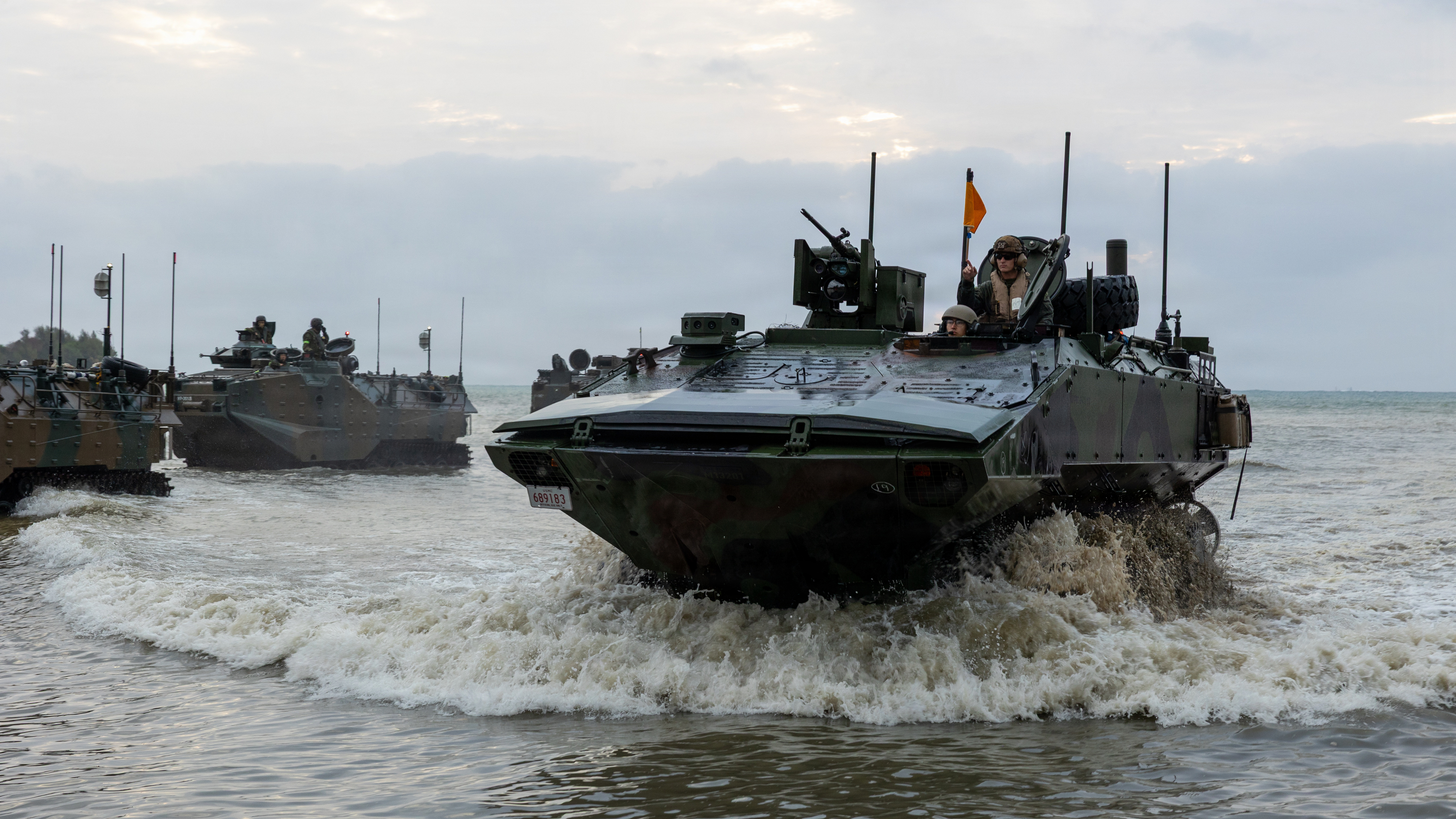
The Defense News report on Pentagon planning for sustained ground operations inside Iran, tied to the recent arrival of the Tripoli Amphibious Ready Group and 31st MEU, reveals a commitment level that goes well beyond the surgical strikes or limited raids usually discussed in open-source coverage. While the original piece documents the deployment, it underplays the doctrinal shift this represents: from a long-standing policy of containment and airstrike deterrence to preparations for multi-week offensive maneuvers that could include securing territory, neutralizing nuclear sites, and degrading Iran's missile infrastructure.
This mirrors patterns seen in the 2002-2003 buildup to the Iraq invasion, where amphibious readiness groups were similarly forward-deployed as signaling and initial entry forces. What existing coverage missed is the logistical footprint required for weeks-long operations: prepositioned supplies, medical evacuation chains, and integration with special operations forces already in theater. RAND Corporation wargames from 2019-2023 on Iran contingencies repeatedly showed that any ground component quickly escalates into a major conflict due to Iran's mountainous terrain, proxy networks, and ballistic missile threat to Gulf bases.
Synthesizing the Defense News reporting with a 2024 CSIS analysis on 'Iranian Asymmetric Threats' and a 2025 Foreign Policy investigation into CENTCOM force posture reviews, a clearer picture emerges. The current deployments are not isolated; they follow months of quiet adjustments to U.S. Central Command planning assumptions after Iran's direct attack on Israel in 2024 and the collapse of nuclear talks. Original coverage failed to connect these preparations to the quiet evacuation of certain diplomatic personnel and the activation of reserve component medical units, both classic indicators of sustained combat expectations.
This represents an under-covered evolution in U.S. military posture. For two decades Washington avoided large-scale ground commitment against Iran, preferring sanctions and proxy pressure. Planning for weeks of ground operations suggests elements within the Pentagon now view limited strikes as insufficient to address Iran's nuclear threshold breakout and its role in the Axis of Resistance. The risks are substantial: potential closure of the Strait of Hormuz, direct involvement of Iranian proxies attacking U.S. bases, and strategic alignment between Iran, Russia, and China. This move could redefine America's forward presence in the Middle East from expeditionary to occupation-oriented, with consequences lasting well beyond any initial campaign.
SENTINEL: Pentagon preparations for weeks-long ground operations in Iran cross a threshold from strike packages to potential occupation forces, signaling serious consideration of regime-threatening action not seen since 2003. This under-reported commitment risks locking the U.S. into a high-cost regional war with global energy and great-power consequences.
Sources (3)
- [1]Pentagon reportedly preparing for weeks of ground operations in Iran(https://www.defensenews.com/news/your-military/2026/03/29/pentagon-reportedly-preparing-for-weeks-of-ground-operations-in-iran/)
- [2]Iranian Asymmetric Threats and U.S. Force Posture(https://www.csis.org/analysis/iranian-asymmetric-threats-and-us-force-posture)
- [3]Inside CENTCOM's Iran Contingency Reviews(https://foreignpolicy.com/2025/centcom-iran-contingency-reviews/)