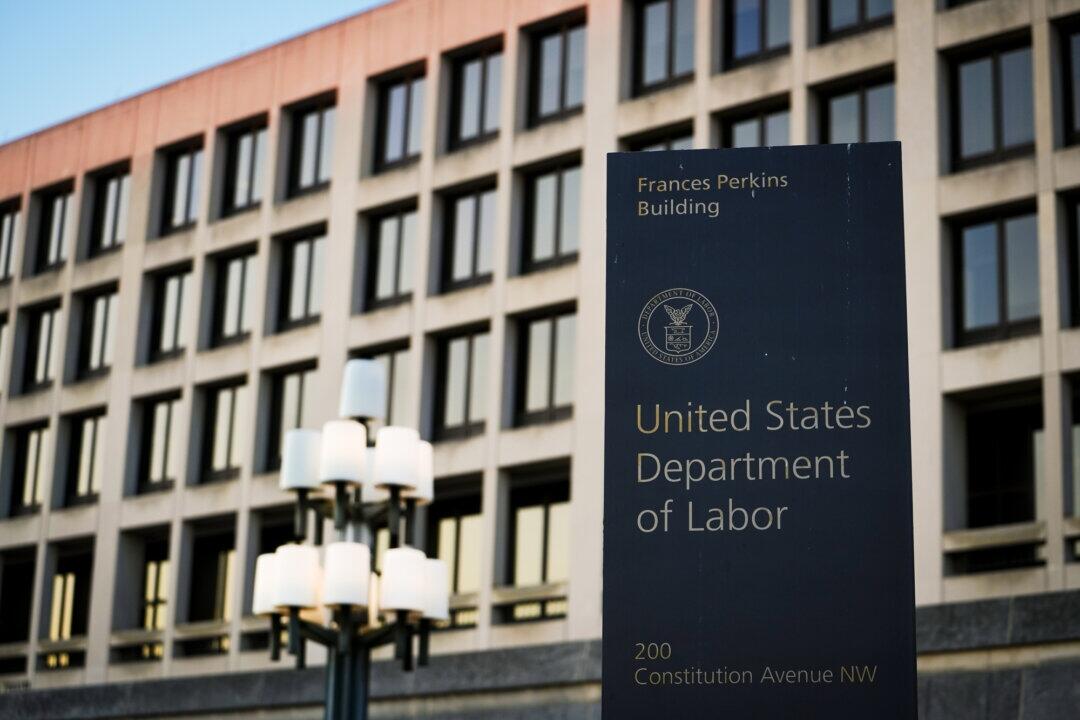
Labor Department proposes a five-search weekly floor for state unemployment pay
Labor is proposing to nationalize a weekly work-search count that federal law left to states, using grant conformity rather than a new benefit statute. The department's own notice concedes improper payments may rise during the switch, while a higher long-term unemployment share means denials would hit cash flow before they produce hires. The open question is whether a numeric floor exceeds the statute's actively seeking work duty.
The Department of Labor has issued a proposed rule that would bar states from paying unemployment compensation unless a claimant completes at least five distinct work searches a week, or earns five points under a state points system, absent a listed exception. The department's notice presents the floor as a conformity measure meant to shrink differences in state search rules that it says drive work-search errors, a major improper-payment category. States now requiring one to four weekly contacts would have to amend law, handbooks, and adjudication systems before they could keep paying benefits on the current standard.
Federal law already imposes a work-search condition. Social Security Act section 303(a)(12) ties administrative grants to claimants being able, available, and actively seeking work. It does not set a weekly number. That is the institutional change: a department floor where states set contact counts to local markets. Pandemic waivers showed guidance can loosen the same lever and a rule can retighten it. Improper-payment reviews have long treated many work-search errors as missing paperwork, not proof no search occurred. The notice says improper payments may rise during adjustment, so the quota and integrity do not move together at the start.
Read as interests, not as a reemployment promise. The department gains an auditable national standard and a cleaner improper-payment audit. States give up a vacancy-linked parameter and absorb system costs after missing pandemic payment timelines. Claimants get one rule and lose when a fifth contact cannot be proved in a thin market. Employers take more low-fit applications. Cited Bureau of Labor Statistics figures, 4.1 percent unemployed and 27.6 percent out 27 weeks or more, describe a split market. The quota falls on the long-duration share, where a denial cuts cash flow without a hire.
The notice takes comments through January 11, 2027, a window long enough, if the date holds, to outlast a turn in vacancies, the variable the floor ignores. State agencies and employer groups are the likely counterparties; their interest is verifiability, not the slogan of seeking work. A final rule would still require state conformity and could be tested on whether the statute's actively seeking work clause authorizes a count of five. The check is administrative: work-search denial shares in the first two quarters after any effective date, against the pre-rule baseline.
Sources (4)
- [1]Social Security Act section 303, work-search condition for administrative grants(https://www.ssa.gov/OP_Home/ssact/title03/0303.htm)
- [2]Department of Labor, Employment and Training Administration, Unemployment Insurance(https://www.dol.gov/agencies/eta/unemployment-insurance)
- [3]Bureau of Labor Statistics, Employment Situation(https://www.bls.gov/news.release/empsit.nr0.htm)
- [4]Epoch Times report via ZeroHedge on the November 10 notice(https://www.zerohedge.com/personal-finance/department-labor-floats-stricter-rules-unemployment-benefits)