Russia Escalates Kyiv Strikes as U.S. Interceptor Shortages Allow More Hits
The Atlantic's photo selection captures the human impact of intensified Russian strikes on Kyiv but underplays the documented U.S. interceptor shortage driving higher hit rates. Structural analysis links the images to aid delivery delays and Russian launch volume rather than random escalation. Coverage incentives favor visceral scenes over the production and policy constraints that will shape the next phase of attacks.
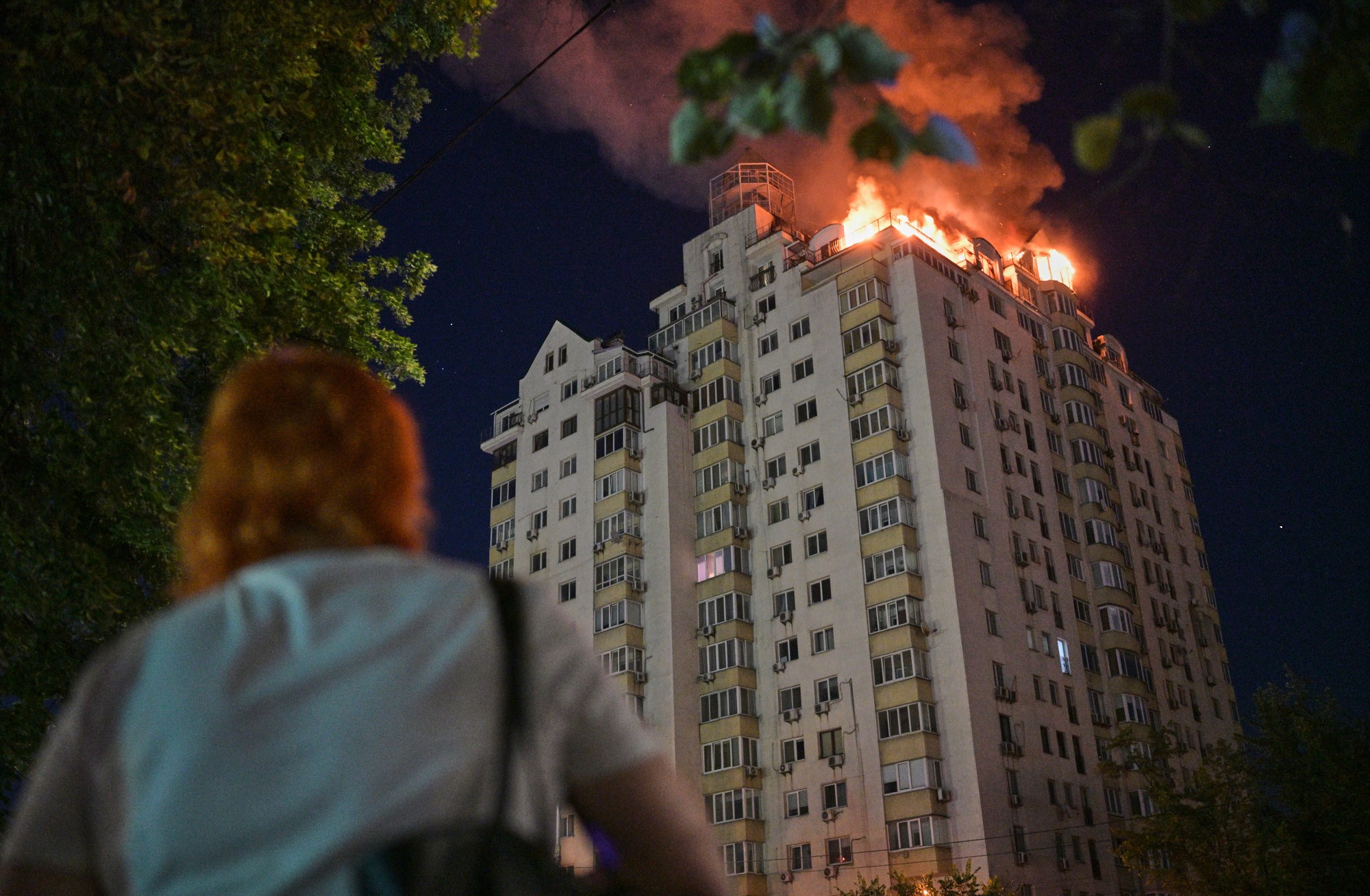
The Atlantic photo essay documents repeated strikes on residential buildings, the Kyiv Pechersk Lavra, and the Dovzhenko Film Studio between June 15 and July 6. Images show civilians carrying cats from rubble, firefighters at the cathedral, and survivors salvaging carved wooden coats of arms. These visuals record direct hits on infrastructure and housing that Russian long-range systems have targeted since 2022, with recent intensification producing secondary explosions lasting hours in Vyshneve.
Ukrainian air defense reports and Reuters tallies confirm the July 2 overnight attack injured over 100 and that ballistic missile intercepts have fallen because Patriot and NASAMS stocks are depleted. Production and delivery delays from the United States, noted in June congressional updates, have left gaps that Russian Kinzhal and Iskander missiles now exploit. The pattern shows attrition warfare shifting from frontline trenches to capital infrastructure once interceptor resupply rates dropped below Russian launch tempos.
Media outlets prioritize images of immediate human cost because they drive engagement metrics, yet this framing sidelines the institutional constraint: U.S. defense industrial output and political approval timelines determine how many missiles reach Kyiv roofs. The photos therefore function as evidence of both Russian targeting choices and Western supply-chain friction rather than isolated tragedy.
Without accelerated interceptor shipments or European production scaling before August, penetration rates on ballistic salvos are projected to remain above 30 percent, sustaining the cycle of strikes on residential districts and cultural sites.
Ukrainian Air Force Command: Ballistic missile penetration rate in Kyiv will exceed 35 percent for any salvo larger than 10 missiles after July 31, 2026, absent new U.S. deliveries.
Sources (3)
- [1]Photos: Russia’s Constant Bombardment of Kyiv(https://www.theatlantic.com/photography/2026/07/photos-russias-constant-bombardment-of-kyiv/687842/)
- [2]Ukrainian Reports on Missile Intercepts and Shortages(https://www.reuters.com/world/europe/kyiv-strikes-interceptor-shortfalls-july-2026/)
- [3]Institute for the Study of War Russian Offensive Campaign Assessment(https://www.understandingwar.org/backgrounder/russian-offensive-campaign-assessment-july-8-2026)