NASA's New Scandium Material Unlocks Lunar ISRU but Exposes Gaps in Scaling Sustainable Moon Infrastructure
Analytical piece on NASA scandium material for lunar ISRU, noting lab methods, unaddressed scaling issues, and connections to broader mission sustainability.
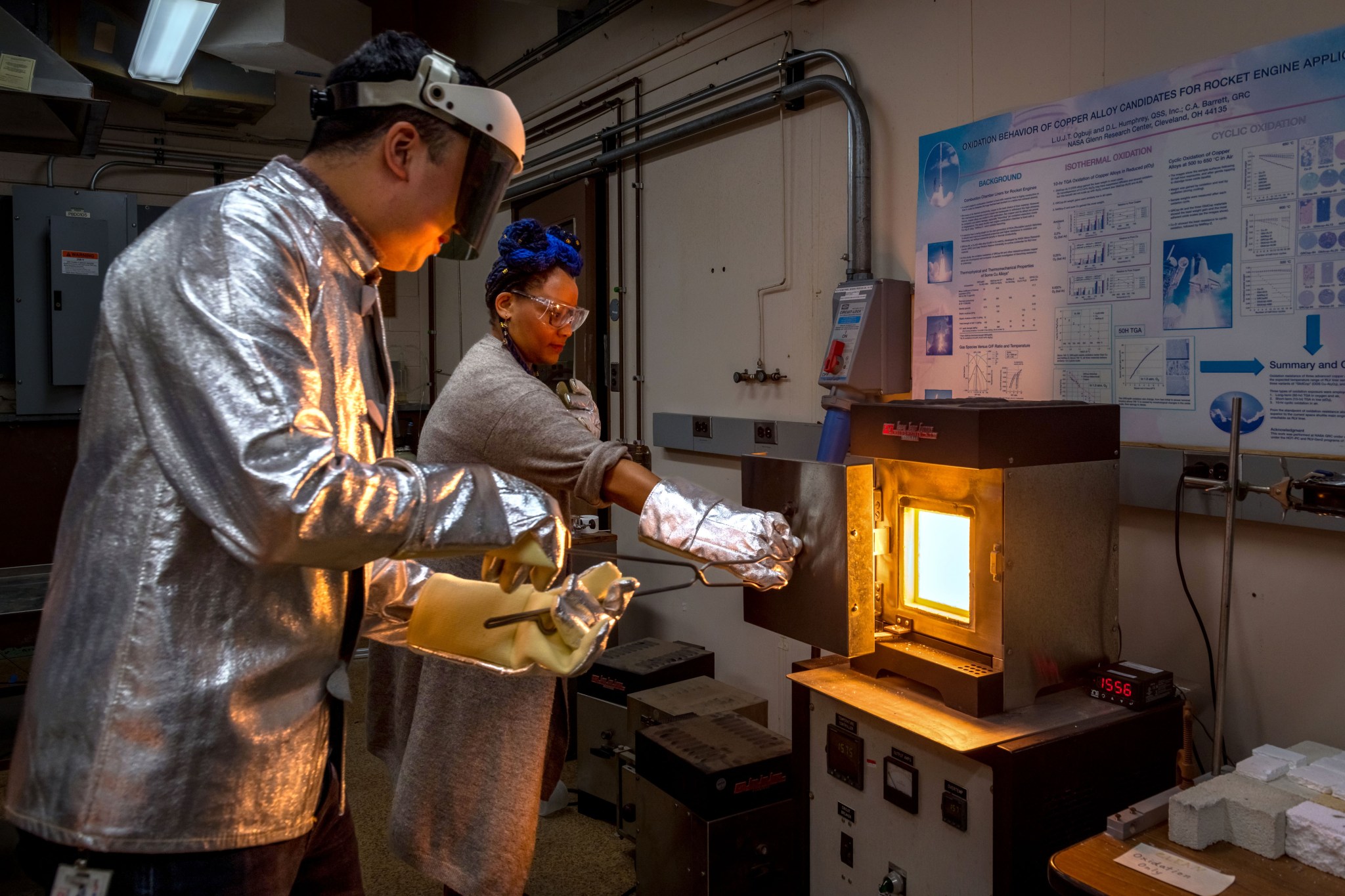
The NASA Glenn discovery of an unknown scandium-oxide-derived compound that resists corrosion from molten lunar regolith at 2900°F represents a targeted advance in high-temperature containment for in-situ resource utilization. Lab methodology relied on small-batch synthesis of eight basic oxides mixed in ethyl alcohol, followed by furnace heat treatment and X-ray diffraction against a 1-million-entry database; no peer-reviewed publication is referenced, and tests used only simulated regolith with no reported sample sizes beyond isolated crucibles. This directly supports ISRU by enabling lighter pipes and basins for oxygen extraction and metal production, cutting launch mass that currently dominates mission costs. Yet the original coverage underplays integration challenges with existing regolith sintering prototypes tested in Hawaii and Iceland analogs, where thermal cycling and dust abrasion degrade coatings faster than static furnace runs predict. Related work in Acta Astronautica (2022) on molten regolith electrolysis shows scandium additions improve melt stability but highlights purification energy penalties that could offset mass savings unless paired with solar concentrators. A 2023 NASA Technical Report on Artemis logistics further notes that ISRU oxygen yields must exceed 90% efficiency for Mars-forward viability, a threshold the new material's insulation gains may help but remain unquantified. Limitations include reliance on costly scandium, lack of long-duration vacuum testing, and no economic modeling versus platinum alternatives; terrestrial jet-engine coatings represent a secondary payoff but require densification studies absent here. Overall the find accelerates sustainable lunar bases by reducing Earth dependency, yet without parallel advances in autonomous processing hardware, it risks remaining a lab curiosity amid broader ISRU delays.
HELIX: The material lowers barriers to on-site oxygen and metal production, but sustained lunar presence still hinges on autonomous hardware integration that current roadmaps underfund.
Sources (2)
- [1]Primary Source(https://www.nasa.gov/general/new-material-melt-moon-rocks/)
- [2]Related Source(https://ntrs.nasa.gov/citations/20220015789)