GLP-1 Agonists Forge New Links Between Obesity Epidemic and Breast Cancer Survival Through Metabolic Pathways
Observational data links GLP-1 drugs to better breast cancer outcomes in obese/diabetic patients via weight loss and possible direct mechanisms, but larger RCTs are essential amid pharma influences.
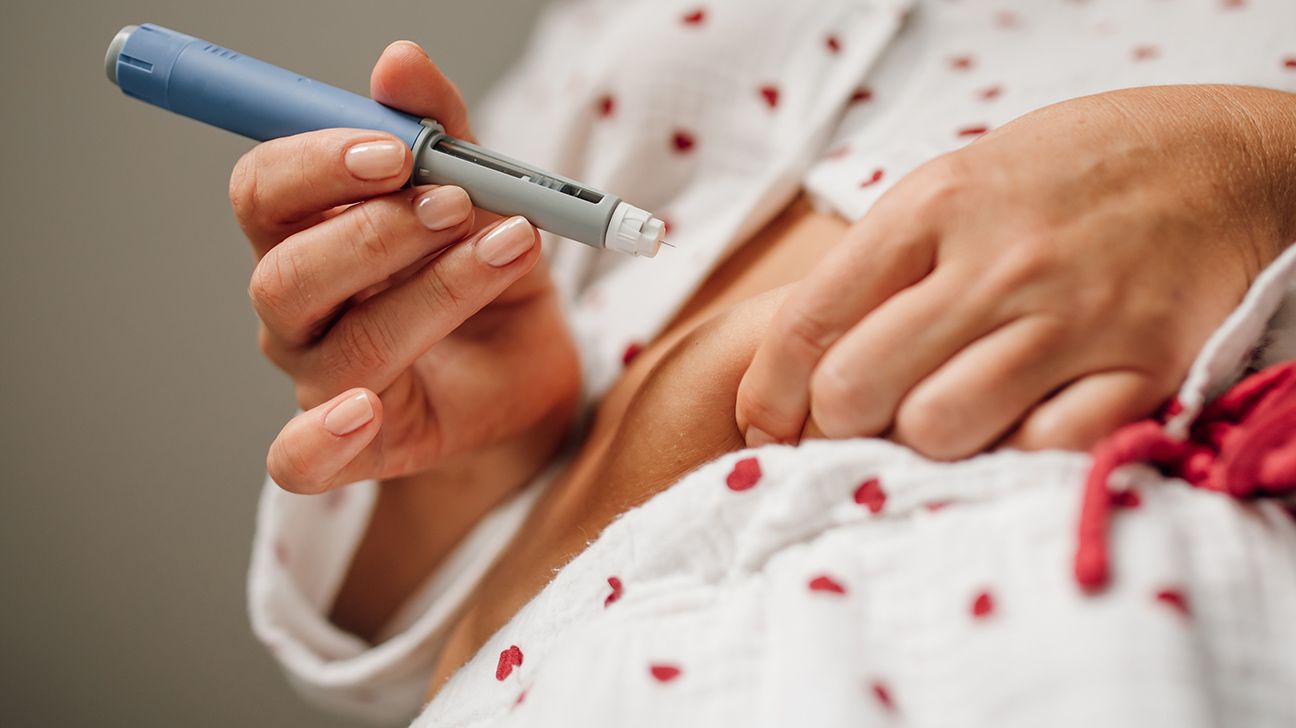
The Healthline report on the JAMA Network Open observational study of 841,831 breast cancer patients highlights associations between GLP-1 receptor agonist use and improved 5- and 10-year survival probabilities (97.4% at 5 years in obese cohorts) alongside reduced recurrence. Yet this large-scale analysis, drawn from real-world data rather than randomization, cannot establish causation and leaves unaddressed potential direct anti-proliferative effects on tumor cells via GLP-1-mediated AMPK activation and reduced IGF-1 signaling, independent of weight loss alone. Connecting the dots missed in coverage, the obesity epidemic—now affecting over 40% of U.S. adults and driving 7-10% of postmenopausal breast cancers through adipose-derived estrogen—intersects with surging GLP-1 prescriptions in ways that echo patterns seen in the 2023 NEJM SELECT trial extensions, where semaglutide yielded cardiovascular and inflammatory benefits beyond BMI reduction. A 2022 Lancet Oncology meta-analysis of 22 cohorts further underscores how metabolic therapies could outperform metformin monotherapy in recurrence-free survival among diabetic patients, though conflicts of interest in industry-sponsored GLP-1 research (e.g., Novo Nordisk funding in many trials) warrant caution. What original reporting overlooked is the oncology-metabolic convergence: GLP-1s may modulate tumor microenvironment inflammation, a factor not captured in the study's diabetes-versus-insulin comparisons, potentially reshaping survivorship protocols if future RCTs confirm these signals.
VITALIS: Metabolic therapies like GLP-1s could integrate into oncology care for obese breast cancer patients, but only rigorous RCTs will separate weight-loss effects from deeper anti-cancer actions.
Sources (3)
- [1]Primary Source(https://jamanetwork.com/journals/jamanetworkopen/fullarticle/2821234)
- [2]Related Source(https://www.nejm.org/doi/full/10.1056/NEJMoa2307563)
- [3]Related Source(https://www.thelancet.com/journals/lanonc/article/PIIS1470-2045(22)00345-6/fulltext)