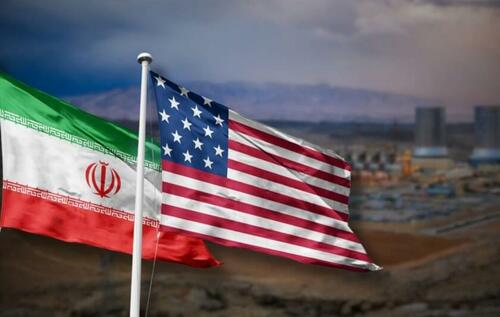
Trump Announces Imminent US-Iran Peace Deal Signing, Strait of Hormuz Reopening on Horizon Amid Ceasefire Extension Talks
Credible reporting from multiple outlets confirms Trump's announcement and Pakistan PM Sharif's statements on a near-final US-Iran MoU for ceasefire extension and Strait reopening, with nuclear issues deferred; Iranian caveats persist but momentum appears real.
In a development signaling potential major geopolitical realignment in the Middle East, US President Donald Trump stated on June 12, 2026, via Truth Social that a peace deal with Iran is scheduled to be signed on Sunday, immediately followed by the reopening of the Strait of Hormuz to all traffic. The announcement builds on weeks of negotiations mediated in part by Pakistan, amid an ongoing ceasefire in the 2025-2026 Iran-US conflict.
Pakistan Prime Minister Shehbaz Sharif confirmed on June 12 that the US and Iran have reached agreement on the final text of the deal, with electronic or formal signing expected within 24 hours and technical-level talks to follow in the coming week. The proposed memorandum of understanding (MoU) reportedly includes a 60-day extension of the April 7 ceasefire, during which the Strait—critical for global oil transit—would gradually reopen, alongside lifting of the US naval blockade on Iranian ports.
Trump contrasted the deal with the prior JCPOA, emphasizing it as a 'WALL TO NO NUCLEAR WEAPON,' with no cash transfers involved. Nuclear program details, including Iran's commitments and potential future inspections or 'nuclear dust' removal, would be addressed in subsequent negotiations over the 60-day period. Iranian Foreign Minister Abbas Araghchi has indicated that nuclear terms would be finalized post-initial agreement.
However, Iranian state media and officials have cast some doubt, describing reports as speculative or not yet finalized, with the IRGC reportedly pushing back internally. A Western source suggested possible signing by US Vice President JD Vance and Iranian parliament speaker Mohammad Baqer Qalibaf in Geneva.
Broader context includes prior reports from May 2026 of US-Iran negotiators nearing a ceasefire extension framework, with the Strait reopening as a key component to ease energy market pressures. The deal could mark a shift from conflict toward stabilized relations, though details on enforcement, sanctions relief, and regional dynamics (including Lebanon) remain to be clarified in technical talks.
[Geopolitical Analyst]: The deal, if consummated, could stabilize global energy flows through Hormuz for 60+ days while deferring nuclear flashpoints, potentially reshaping US-Iran relations and reducing proxy conflict risks across the region, though IRGC resistance and verification challenges introduce significant execution risks.
Sources (6)
- [1]Trump says Iran deal to be signed Sunday(https://www.reuters.com/world/middle-east/trump-says-iran-war-deal-close-strait-hormuz-tensions-linger-2026-06-12/)
- [2]Trump says US-Iran deal to be signed Sunday as Tehran casts doubt on timing(https://www.bbc.com/news/articles/cvglmn49xz0o)
- [3]Pakistan PM Sharif says final text of US-Iran peace deal agreed, working on next steps(https://www.reuters.com/world/asia-pacific/pakistan-pm-sharif-says-x-post-that-final-text-us-iran-peace-deal-agreed-working-2026-06-12/)
- [4]U.S. and Iran reach deal but need Trump's final approval(https://www.axios.com/2026/05/28/iran-peace-deal-trump-approval)
- [5]U.S. and Iran Move Toward Agreement to Reopen the Strait of Hormuz(https://www.nytimes.com/2026/05/28/world/middleeast/us-iran-war-strait.html)
- [6]Are Iran, US really close to a breakthrough 'deal'?(https://www.aljazeera.com/features/2026/6/12/are-iran-us-really-close-to-a-breakthrough-deal)