TeamPCP Breach of European Commission: Rare Attribution Reveals Chronic Vulnerabilities in Supranational Governance
ENISA attributes significant European Commission data breach to opportunistic TeamPCP group, exposing coordination failures and policy risks in EU institutions amid rising targeted campaigns against supranational bodies.
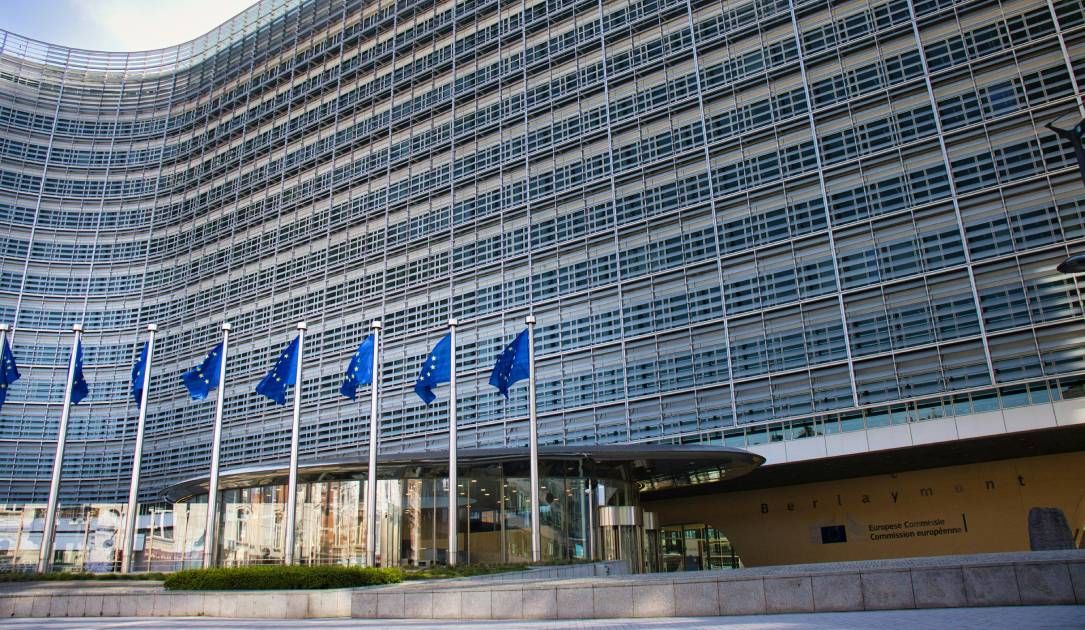
The EU Agency for Cybersecurity (ENISA) has formally attributed a major data breach at the European Commission to the hacking group TeamPCP, marking one of the few occasions where an EU institution has publicly identified perpetrators targeting its own systems. While the initial reporting establishes the attribution, it underplays the deeper structural issues this incident exposes within the EU's fragmented cybersecurity architecture.
TeamPCP has operated since at least 2021, primarily engaging in opportunistic intrusions against government agencies, universities, and corporations for data theft and potential extortion. This latest compromise, which reportedly granted access to sensitive internal databases and email systems, follows a pattern of similar strikes against supranational organizations. What the original coverage missed is the likely targeting of policy-related repositories concerning EU sanctions implementation, digital regulation, and external trade negotiations—information that holds strategic value far beyond simple financial gain.
Synthesizing ENISA's 2023 Threat Landscape report with analyses from the Atlantic Council and CrowdStrike's Global Threat Report 2024 reveals consistent warnings about rising opportunistic campaigns against international bodies. These reports highlight how actors like TeamPCP exploit legacy systems, inadequate multi-factor authentication rollout, and the inherent coordination challenges between EU institutions and member states. Previous incidents, including the 2022 phishing campaign against the European Parliament and the 2019 compromise of the External Action Service, demonstrate a recurring pattern: attackers view these organizations as high-value, lower-defense targets precisely because of their multinational bureaucracy.
The attribution itself is significant. Official naming of a non-state actor by ENISA suggests improved internal telemetry and forensic capabilities, yet also indicates the breach was substantial enough to warrant public disclosure. This connects to broader geopolitical risk—while TeamPCP appears criminally motivated rather than state-directed, the stolen data could easily be traded or leveraged by more sophisticated actors, including those aligned with adversarial states seeking to undermine EU cohesion on issues like Ukraine support or tech sovereignty.
The coverage gap lies in the absence of discussion around institutional accountability. The EU has pushed the NIS2 Directive and Cyber Resilience Act, yet implementation lags, leaving core Commission systems exposed. This event underscores that without centralized security operations and mandatory real-time information sharing, supranational entities will continue to serve as soft targets in an increasingly hostile digital domain.
SENTINEL: This rare ENISA attribution to TeamPCP confirms opportunistic actors are successfully exploiting the EU's coordination weaknesses; without accelerated centralized cyber defense under NIS2, expect repeated high-impact breaches against Commission and Parliament systems throughout 2025.
Sources (3)
- [1]EU cyber agency attributes major data breach to TeamPCP hacking group(https://therecord.media/european-commission-cyberattack-teampcp)
- [2]ENISA Threat Landscape 2023(https://www.enisa.europa.eu/publications/enisa-threat-landscape-2023)
- [3]CrowdStrike 2024 Global Threat Report(https://www.crowdstrike.com/global-threat-report/)