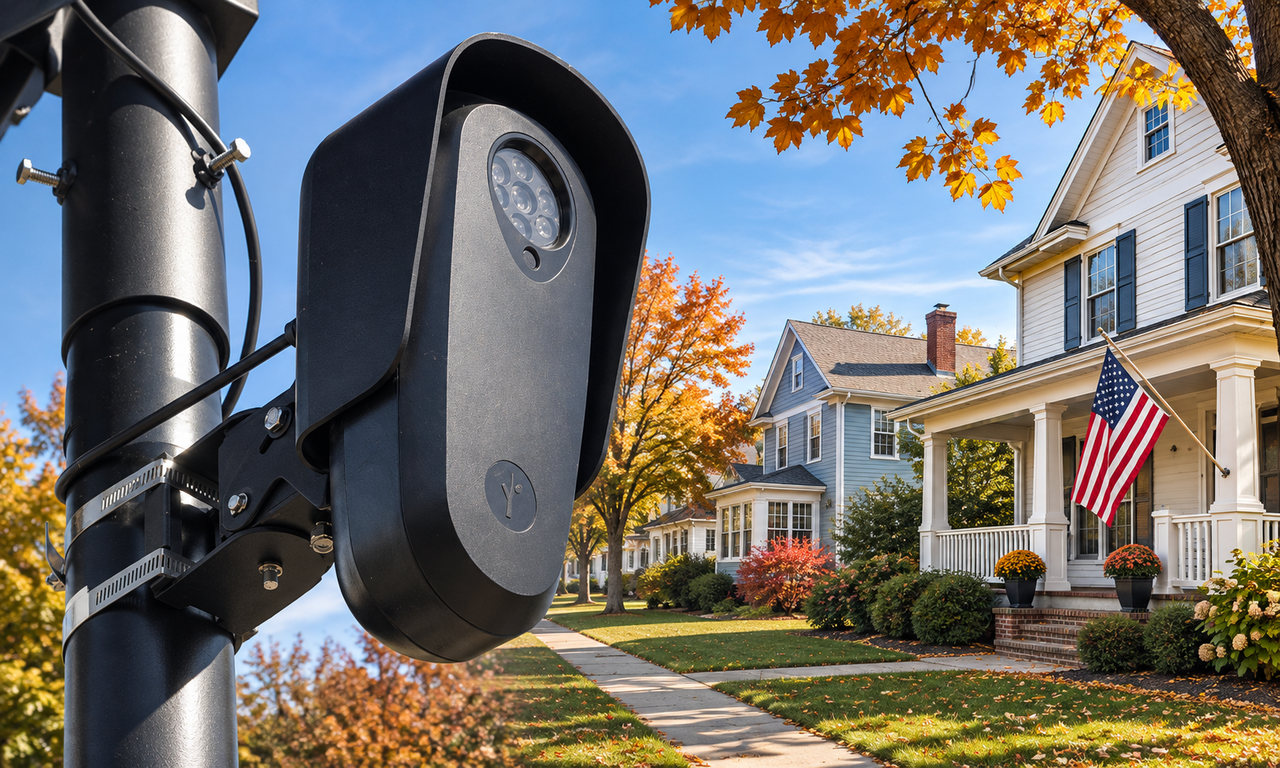
U.S. surveillance powers expanded over 25 years amid Flock camera dispute
A Mises Institute analysis connects the Flock Safety license-plate camera controversy to a 25-year expansion of U.S. surveillance authorities. It argues that post-9/11 war powers, Section 702 collection, FATCA reporting and TSA Quiet Skies created domestic data practices now visible in local ALPR disputes. The piece matters because communities adopting Flock gain investigative capability while inheriting privacy, misuse and accountability risks.
Flock Safety, an automated license-plate reader supplier, says its systems help communities deter crime, respond to emergencies and investigate safety incidents. Critics say the cameras raise Fourth Amendment concerns, which guard against unreasonable searches and seizures, because they create detailed records of vehicle movement. The Institute for Justice has cataloged more than 200 reported incidents of alleged abuse or misuse involving ALPR systems, including stalking, wrongful stops and searches unrelated to law enforcement. The dispute centers on whether local law-enforcement access to movement data can be constrained after it is built.
The analysis situates Flock in a longer federal record. After Sept. 11, the 2001 Authorization for Use of Military Force authorized force against attackers and harboring entities, and the PATRIOT Act expanded surveillance, information sharing and financial monitoring. In 2013, disclosures about NSA collection under Section 702 of the Foreign Intelligence Surveillance Act showed foreign-intelligence targeting could capture Americans' communications. FATCA reporting began in 2014, extending U.S. financial reporting to overseas accounts. In 2018, TSA's Quiet Skies program was exposed for tracking ordinary travelers.
The pattern is jurisdictional drift: tools justified for external threats create domestic data sets and institutional habits. Coyne and Hall call this a boomerang effect. The AUMF's open-ended language, Section 702's foreign-targeting exception and Quiet Skies' watchlist-adjacent travel monitoring each expanded access without requiring individualized suspicion in every case. A 2020 inspector-general report found TSA lacked performance measures to show Quiet Skies effectiveness, and the source says the program was discontinued in 2025. The source's argument is that Flock's growth is not isolated but part of this administrative inheritance.
The stakes are local as well as national. Cities and counties buying Flock cameras receive crime-fighting tools, but they also inherit records of lawful movement, potential misuse and litigation risk. The documented cost side includes federal programs that persisted without clear effectiveness metrics and, in TSA's case, annual spending described by the source as $10 billion. For residents, the question is not only whether surveillance helps solve cases, but what accountability mechanisms exist when it is wrong.
Residents in jurisdictions using Flock cameras face expanded movement records and potential misuse, while governments gain investigative tools without always demonstrating effectiveness or clear accountability.
Sources (1)
- [1]A Surveillance State Twenty-Five Years In The Making(https://www.zerohedge.com/political/surveillance-state-twenty-five-years-making)