Trump's Iran Ceasefire: Tactical Pause Exposes Limits of Maximum Pressure in Shadow of Proxy Networks and Energy Chokepoints
Trump's two-week Iran ceasefire, framed as victory after Hormuz threats, is an economically compelled tactical pause exposing proxy resilience, domestic political drivers, and slim prospects for lasting peace amid nuclear and regional proxy tensions.
President Donald Trump's announcement of a two-week ceasefire with Iran, mediated by Pakistan and accepted mere hours before his deadline to strike civilian infrastructure, represents far more than the abrupt policy reversal detailed in Defense News. It signals a recognition of the unsustainable costs of direct conflict, yet the truce remains dangerously fragile, vulnerable to spoilers from entrenched proxy forces and domestic political pressures on all sides. While Trump claims all military objectives were 'met and exceeded' and that a 'definitive Agreement' for long-term Middle East peace is near, this assessment overlooks the enduring strategic realities that have defined U.S.-Iran tensions for decades.
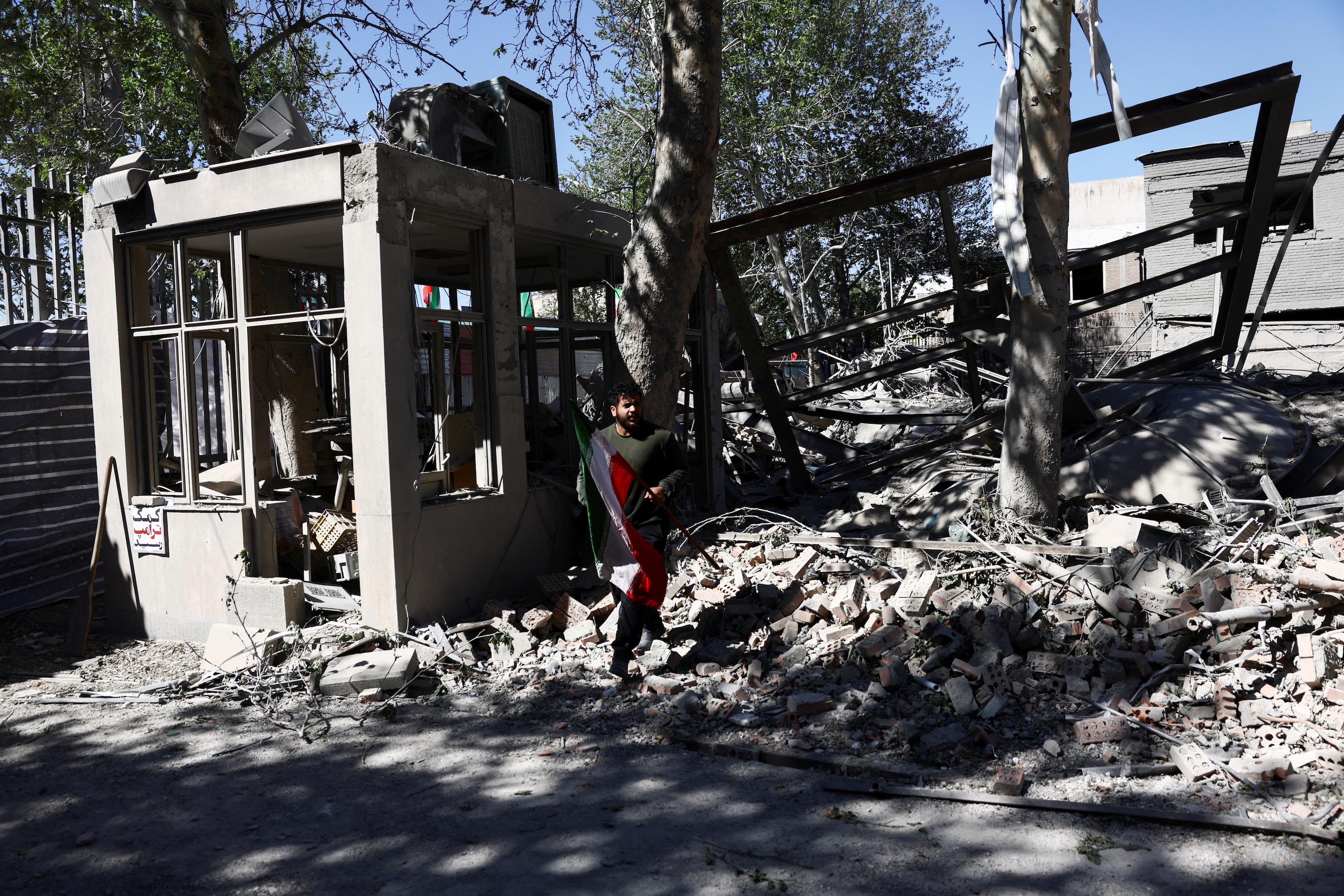
The original coverage accurately captures the immediate chaos — intensified U.S.-Israeli strikes on Kharg Island, bridges, and petrochemical facilities, followed by Iranian retaliation against Gulf targets and a Saudi complex — but underplays how economic coercion, not battlefield dominance, drove the de-escalation. The Strait of Hormuz blockade, disrupting one-fifth of global oil flows, propelled prices above $150 per barrel, triggering inflation shocks and recession fears that eroded Trump's already record-low approval ratings ahead of the 2026 midterms. This mirrors the 2019 tanker crisis and the 1980s Tanker War, where temporary halts in hostilities failed to resolve underlying grievances.
What mainstream reporting missed is the resilience of Iran's asymmetric architecture. Despite strikes degrading logistics, Tehran's network of proxies — Hezbollah, Houthis, and Iraqi militias — largely remained intact, consistent with a 2023 RAND Corporation study on Iranian hybrid warfare that showed conventional campaigns often consolidate rather than fracture such alliances. Israel's last-minute agreement to suspend operations, immediately followed by Iranian missile launches toward its territory, illustrates the brittle nature of this pause and the persistent risk of miscalculation between Jerusalem and Tehran. Iranian state media's framing of a 'humiliating retreat' serves regime survival narratives at home, while Trump's Truth Social declaration masks a climbdown necessitated by global market turmoil and war fatigue that polls showed Americans overwhelmingly opposed.
Synthesizing the primary Defense News dispatch with Council on Foreign Relations analyses of post-JCPOA dynamics and Brookings Institution reporting on Gulf security dilemmas reveals a critical pattern: U.S. 'maximum pressure' yields short-term tactical gains but repeatedly collides with the limits of unilateralism. China's quiet diplomatic engagement — as Iran's top oil buyer — and Russia's strategic interest in prolonging selective instability further complicate any bilateral deal. The impending Islamabad talks, beginning Friday, must confront unaddressed core issues: Iran's near-weapons-grade uranium enrichment, its ballistic missile program, and the future of the 'Axis of Resistance.' Absent multilateral guarantees reminiscent of the abandoned 2015 nuclear accord, this ceasefire likely functions as mutual repositioning rather than a foundation for peace.
This moment highlights the intersection of great-power competition and regional flashpoints. In an era where adversaries exploit American overextension, the two-week window offers limited breathing room for genuine diplomacy but carries high risk of renewed escalation once economic pressures ease or hardliners on either side perceive weakness. The human toll — over 5,000 dead, including 1,600 Iranian civilians — and environmental damage from targeted energy facilities further underscore the strategic myopia of kinetic-first approaches. True de-escalation demands addressing not just the Strait of Hormuz but the deeper ideological and security dilemmas that have perpetuated this cycle for over four decades.
SENTINEL: The two-week ceasefire provides breathing room for Islamabad talks but is unlikely to endure; Iran will likely use the interval to reconstitute proxy networks and advance nuclear thresholds while U.S. domestic pressures may force further concessions, setting the stage for renewed confrontation by late 2026.
Sources (3)
- [1]Trump says he has agreed to two-week ceasefire with Iran(https://www.defensenews.com/news/your-military/2026/04/07/trump-says-he-has-agreed-to-two-week-ceasefire-with-iran/)
- [2]What Is the Iran Nuclear Deal?(https://www.cfr.org/backgrounder/what-iran-nuclear-deal)
- [3]Iran’s Proxies and the Future of Regional Conflict(https://www.brookings.edu/articles/irans-proxies-and-the-future-of-regional-conflict/)