Japan's 7.5-Magnitude Quake: Seismic Vulnerabilities in Global Supply Chains Exposed Amid Climate Narrative Dominance
The April 2026 7.5-magnitude Japan quake and modest tsunami underscore immediate Ring of Fire dangers to strategic global supply chains in tech and autos, connections frequently overlooked in climate-centric reporting despite post-2011 preparedness gains.
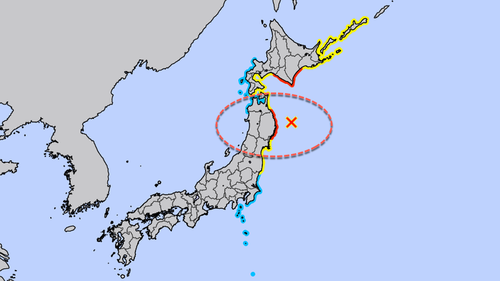
A powerful shallow 7.5-magnitude earthquake struck off Japan's northeastern coast on April 20, 2026, prompting tsunami warnings for Iwate, Aomori, and Hokkaido prefectures along the Pacific coast. Initial waves reached 20-70 cm at ports including Kuji in Iwate—below the forecasted maximum of 3 meters—with authorities later lifting the warnings after smaller-than-expected surges. Prime Minister Sanae Takaichi activated an emergency task force, ordering evacuations for tens of thousands of residents and reporting at least 23-30 injuries while damage assessments continued. Bullet train services were suspended, buildings shook in Tokyo, and aftershocks remain a risk for the coming week. No irregularities were detected at the Fukushima Daiichi or Daini nuclear facilities, reflecting enhanced preparedness since the 2011 Tohoku disaster. While mainstream coverage treats this as another routine Ring of Fire event, deeper analysis reveals significant underreported implications for global supply chains. Japan remains a linchpin in semiconductor manufacturing, automotive components, and advanced electronics; even brief disruptions in the Tohoku region can cascade into international shortages, as factories halt for inspections and logistics stall. This stands in contrast to dominant climate-focused narratives that often sideline acute seismic risks in favor of gradual environmental trends, despite Japan's strategic position amplifying worldwide economic ripple effects. Official warnings of a potential 'megaquake' follow-up further underscore how these tectonic realities pose more immediate threats to interconnected systems than many long-term projections acknowledge. The event serves as a live stress test for national resilience measures implemented post-Fukushima, yet it also highlights how supply chain fragilities in a vital Asian hub receive less sustained attention than they warrant.
[LIMINAL]: Expect cascading delays in semiconductor and auto parts markets within weeks, revealing how seismic events in Japan can jolt global economies faster than many climate policies mitigate, accelerating diversification away from concentrated Pacific supply hubs.
Sources (4)
- [1]AP News: 7.5 quake off northern Japan triggers tsunami and injures 23(https://apnews.com/article/japan-quake-hokkaido-tusnami-alert-13b3149989918a8f860903ec48b1af92)
- [2]Reuters: Major 7.5-magnitude quake hits off Japan, tsunami warning issued(https://www.reuters.com/business/environment/strong-74-magnitude-quake-hits-off-japan-tsunami-warning-issued-2026-04-20/)
- [3]CNN: Japan rattled by 7.5-magnitude earthquake, tsunami warning withdrawn(https://www.cnn.com/2025/12/08/asia/tsunami-warning-japan-earthquake-intl)
- [4]NBC News: Major 7.5-magnitude earthquake strikes off Japan, tsunami alert issued(https://www.nbcnews.com/world/japan/live-blog/live-updates-japan-earthquake-tsunami-rcna340940)