Trump's Apocalyptic Brinkmanship: How 'A Whole Civilization Will Die Tonight' Rhetoric Risks Cascading Into Global Conflict
Trump's existential threats against Iran exemplify extreme brinkmanship with historic parallels to his first-term Iran policy, legal risks under international law, and high probability of miscalculation leading to regional war, energy crisis, and global realignment. Original reporting missed deeper patterns of contradictory signaling and succession dynamics in Tehran.
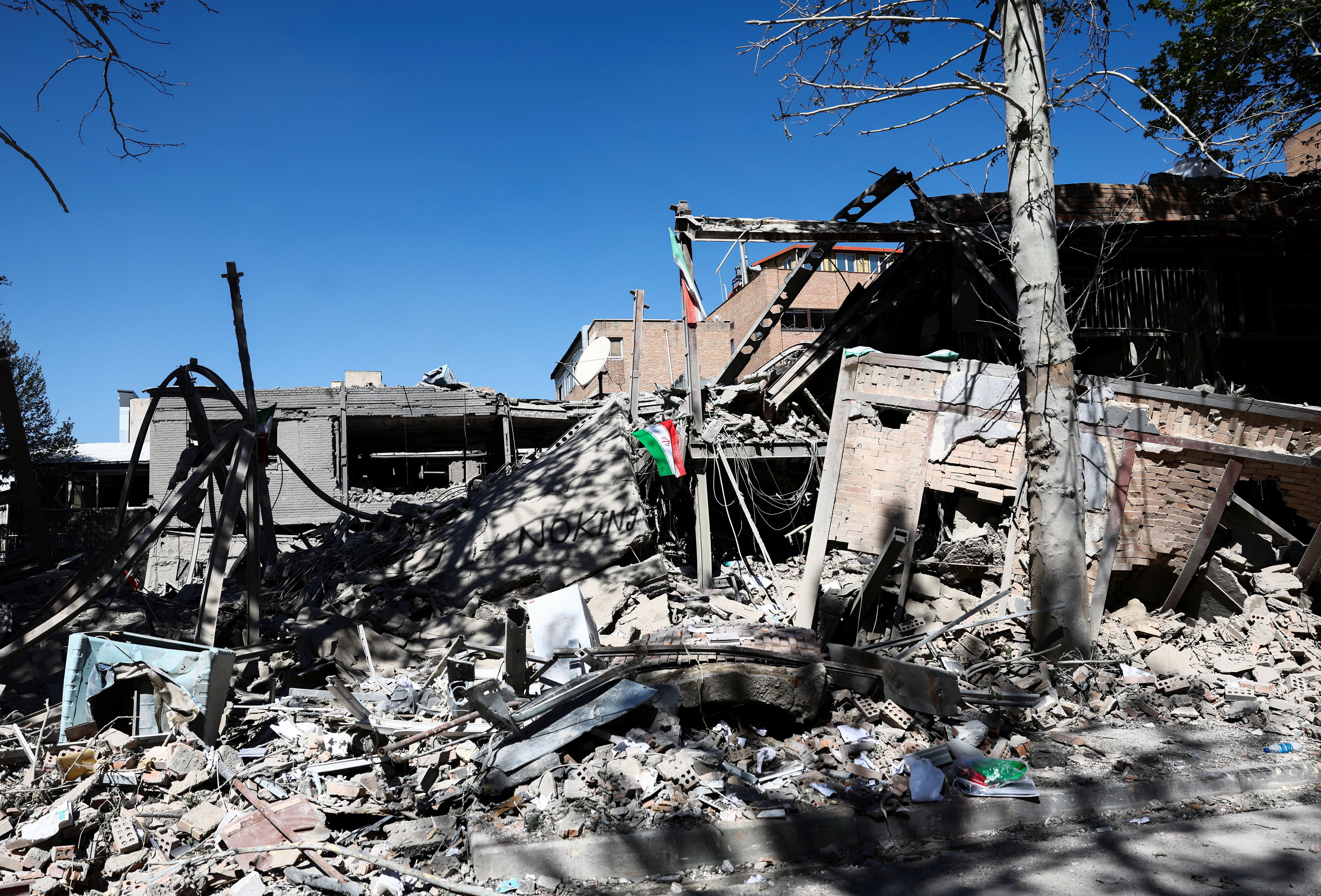
President Trump's ultimatum to Iran, capped by his Truth Social declaration that 'a whole civilization will die tonight,' represents far more than heated rhetoric. It embodies a dangerous evolution in U.S. coercive diplomacy that blends first-term 'maximum pressure' tactics with unprecedented civilizational framing. While the Defense News report captures the immediate military exchanges—strikes on Kharg Island, Iranian retaliation at Jubail, and infrastructure targeting—it underplays the historical pattern of escalation dominance that has defined Trump's approach since the 2018 JCPOA withdrawal and the 2020 Soleimani strike. Those actions similarly combined personalistic threats with targeted killings, yet stopped short of explicit existential language now being deployed.
This current crisis over the Strait of Hormuz blockade fits a recognizable template: use of third-party mediators (Pakistan playing the role once held by Oman and Switzerland), Israeli operational integration, and threats calibrated to force behavioral change rather than outright invasion. What original coverage missed, however, is the legal and perceptual threshold crossed by invoking the death of an entire civilization. As Brian Finucane of the International Crisis Group noted in related analysis, such statements could plausibly meet criteria for incitement under the Genocide Convention—a point that risks alienating even traditional U.S. allies in Europe who have grown wary of Trump's unilateralism.
Synthesizing reporting from Reuters on Iranian conditions for de-escalation (control of the Strait, reparations, bombing halts) with Crisis Group assessments of Gulf security dilemmas and historical precedents from the Tanker War of the 1980s reveals a critical disconnect. Previous U.S.-Iran crises featured mutual restraint mechanisms, however imperfect. Today's dynamic lacks them. Iran's threat to render Gulf desalination plants inoperable would create humanitarian catastrophes in Saudi Arabia and the UAE that no amount of U.S. air defense could fully mitigate. The reported strike on a Tehran synagogue further injects sectarian volatility that could mobilize non-state actors from Hezbollah to Shia militias in Iraq, expanding the theater beyond what Pentagon planners appear to have modeled.
The pattern emerging is classic brinkmanship theory applied recklessly: push adversaries to the edge expecting rational retreat. Game theory models from Cold War scholarship (Schelling's 'Strategy of Conflict') warn that when both sides doubt the other's rationality, miscalculation probability approaches certainty. Trump's reference to 'Complete and Total Regime Change' while simultaneously suggesting 'revolutionarily wonderful' outcomes with new Iranian leadership mirrors the contradictory signaling that destabilized Libya in 2011. Beijing and Moscow have remained largely silent in public but are likely providing Tehran with ISR support and diplomatic cover, setting conditions for proxy escalation that could disrupt 21% of global seaborne oil transit.
What Western coverage has consistently undervalued is the domestic Iranian calculus. Supreme Leader succession dynamics and IRGC hardliner influence make concessions under direct threat politically toxic. The rejection of temporary ceasefires relayed via Pakistan indicates Tehran believes it can absorb punishment while imposing asymmetric costs that fracture the U.S.-Gulf security architecture. Global markets' current paralysis reflects this uncertainty—neither pricing in full closure of the Strait nor a sudden Trump walk-back, a pattern observed during the 2019-2020 crisis when oil prices spiked then collapsed on presidential tweets.
The global security consequences extend beyond the Gulf. A prolonged conflict would accelerate de-dollarization efforts by BRICS states, boost Chinese mediation credibility in the Middle East (building on their 2023 Saudi-Iran deal), and strain U.S. military resources already stretched by Ukraine and Indo-Pacific commitments. Trump's strategy may yield short-term tactical gains or another Abraham Accords-style realignment, but the rhetorical excess signals a willingness to gamble with systemic stability that previous administrations avoided. The hours ahead will determine whether this represents masterful deal-making or the spark that ignites a wider conflagration with consequences lasting decades.
SENTINEL: Trump's civilizational rhetoric exceeds prior maximum pressure tactics and increases miscalculation risk by an order of magnitude; Iran’s refusal to yield under direct existential threat, combined with Gulf infrastructure vulnerabilities, makes uncontrolled escalation into multi-state conflict the most probable near-term outcome, with severe global energy and alliance consequences.
Sources (3)
- [1]‘A whole civilization will die tonight,’ Trump says as Iran defies deal(https://www.defensenews.com/news/pentagon-congress/2026/04/07/a-whole-civilization-will-die-tonight-trump-says-as-iran-defies-deal/)
- [2]Iran Nuclear Talks and Brinkmanship: Lessons from the Maximum Pressure Campaign(https://www.crisisgroup.org/middle-east-north-africa/gulf-and-arabian-peninsula/iran/iran-nuclear-talks-brinkmanship)
- [3]Escalation Risks in the Persian Gulf: Historical Patterns and Current Dynamics(https://www.brookings.edu/articles/escalation-risks-persian-gulf/)