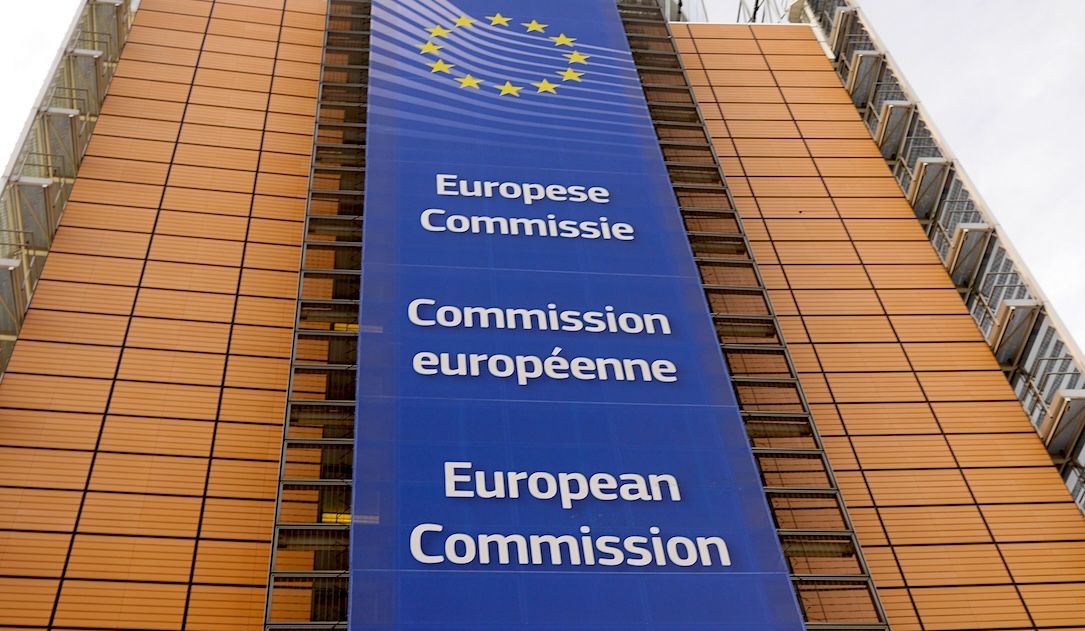
European Commission confirms AI-assisted cyberattack disrupted staff systems for more than 10 days
The European Commission confirmed an AI-assisted cyber campaign detected Oct. 22 disrupted personnel systems for more than 10 days. Reporting identifies ARTEX, an open-source AI hacking platform, as the tool, while the Commission has not named attackers or motivation. The case shows widely available AI tools can reach operational government systems, not just research or proof-of-concept environments.
The European Commission said the first signs of the incident were detected on October 22 and described it as an “AI-generated cyber campaign.” Spokesperson Thomas Regnier said several services were taken offline as a protective measure, affecting staff systems such as payroll, leave requests, medical reimbursements and translation. He said investigators found no evidence of a broad data breach affecting Commission staff and were unaware of a ransom demand. The Commission did not name the AI tool, the attackers or their motivation.
The evidence trail is partial. POLITICO reported that CERT-EU, the Commission’s computer emergency response team, identified the attackers’ use of ARTEX, an open-source AI hacking platform. The FBI warned last week that ARTEX is being used by cybercriminals and state-sponsored groups to breach government agencies and critical sectors, with some intrusions reaching privileged access in under three hours. The platform, released in July, uses commercial AI models to automate vulnerability discovery and exploitation.
This matters operationally because the attack hit routine administrative infrastructure, not a headline policy system, yet still forced the Commission to take services offline and notify affected individuals. It follows a June Five Eyes warning that artificial intelligence would transform offensive and defensive cyber capabilities, with the alliance saying the timeline was months, not years. The incident is also the Commission’s third disclosed cyber incident this year, after breaches involving Ivanti software in January and cloud infrastructure in March; officials have not linked them.
The real-world stake is exposure across a large public workforce and the broader precedent of a major institution confirming that a widely available AI tool supported an offensive campaign. The reported ARTEX link, if accurate, marks one of the clearest documented cases of AI-assisted intrusion against a sovereign institution’s operational systems, not merely a proof-of-concept. The Commission said publicizing defensive measures earlier could undermine their effectiveness, leaving the public with limited attribution and a still-open investigation.
European Commission staff and dependent public services were disrupted, and the incident documents how public AI hacking tools can affect large institutions. It shows that widely available AI tools can reach operational government systems and their personnel.
Sources (1)
- [1]Original source(https://therecord.media/european-commission-confirms-cyberattack-using-ai)