Federal judge lets DRAM supply conspiracy suit against Samsung, SK Hynix and Micron proceed
A San Jose federal judge refused to dismiss a class action accusing Samsung, SK Hynix, and Micron of restricting conventional DRAM while shifting capacity to AI memory. The November 14, 2026 order finds the claim plausible and distinct from a similar suit thrown out in 2022. It is not a finding of collusion.
Documented: On November 14, 2026, U.S. District Judge Noël Wise of the Northern District of California denied in full a joint motion to dismiss in Garciaguirre v. Samsung Electronics Co., Ltd., No. 5:26-cv-06345-NW (ECF 68). The order finds that a complaint filed June 25, 2026, by 17 consumers and small businesses from five states plausibly alleges an agreement in restraint of trade in conventional DRAM under Section 1 of the Sherman Act. Answers are due December 7, 2026. An initial case management conference was reset for January 12, 2027. The ruling is a pleading-stage decision. Allegations are taken as true; nothing has been proven, and no damages have been awarded.
The court expressly rejected the defense that this is a rerun of In re Dynamic Random Access Memory (DRAM) Indirect Purchaser Antitrust Litigation, 28 F.4th 42 (9th Cir. 2022) (“DRAM II”). In that case the Ninth Circuit affirmed dismissal of claims against the same three companies over a 2016–2018 supply cut, holding that contemporaneous output reductions in a concentrated market looked like lawful conscious parallelism, not a conspiracy. Judge Wise wrote that this complaint is not that case. Addressing the argument that rivals in an oligopoly naturally “watch each other like hawks,” she wrote that the allegations go further: they are “more akin to hawks flying in formation, an activity that hawks ordinarily do not do.”
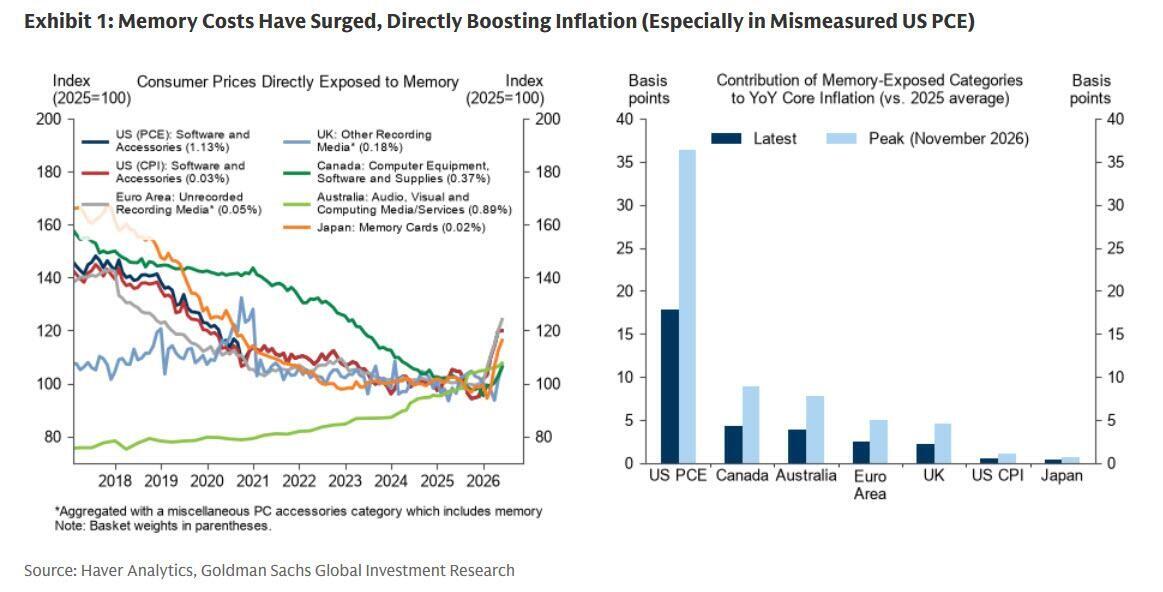
Claimed, and accepted only as well-pleaded facts at this stage: the three firms, which the complaint says accounted for more than 91 percent of global DRAM revenue in the third quarter of 2025, cut conventional DRAM output starting in late 2022 (SK Hynix and Micron weeks apart; Samsung roughly four and a half months later, on April 7, 2023), shifted capacity into high-bandwidth memory locked under long-term contracts, refused comparable long-term deals for ordinary DRAM, delayed new conventional capacity, wound down DDR4 in the same quarter of 2025, and—in Micron’s case—later closed the Crucial consumer brand. Plaintiffs also allege nearly identical customer-vetting questionnaires in January 2026 and a 697 percent rise in conventional DRAM prices over 18 months (with other reporting in the complaint of roughly 500 percent retail increases since early October 2025). The order treats long-term HBM lock-ups, refusals of long-term commodity contracts, failure to expand despite record prices, the matching vetting questions, and the companies’ earlier cartel history as plus factors that, taken together, make an agreement plausible. It did not credit every theory: investor talk of “supply discipline” was too close to arguments already rejected in DRAM II, and the complaint did not identify specific information exchanges at industry conferences.
Documented context, separate from this order: the same three companies were defendants in the 2000s DRAM price-fixing prosecutions. The U.S. Department of Justice described that episode as an international cartel; Samsung later paid a $300 million criminal fine, the largest at the time under the Sherman Act, and other participants paid substantial fines. DRAM II, by contrast, ended without a finding of a later conspiracy. Parallel price spikes and capacity shifts are therefore not new to this market. What is new is a federal judge distinguishing the AI-era conduct from the conduct the Ninth Circuit already found insufficient.
Speculated, and not found by the court: that the AI boom is a cover story for a proven cartel, or that discovery will produce a smoking-gun agreement. The companies’ stated explanation—each firm independently chasing scarce, higher-margin HBM for AI accelerators in a three-firm market facing the same demand shock—remains a lawful possibility until evidence says otherwise. The order’s narrower point is structural. Investing in HBM is not itself the alleged violation. What survived dismissal is the claim that the three also moved in ways that made ordinary DRAM harder to restore: coordinated-looking exits from DDR4, asymmetric contracting (long-term deals for AI memory, short-term or refused deals for commodity memory), and a shared customer screen adopted after the HBM pivot was already underway. That is why the “AI wrapper” defense did not end the case the way the 2016–2018 parallel-cut theory ended DRAM II.
Indirect purchasers—people and small builders who buy PCs, phones, and memory kits rather than wafers—are the proposed class. If the case proceeds through discovery, the documents that matter will be capacity plans, customer-contract terms, and internal discussions of rivals’ moves, not public remarks about AI demand. Until then, soaring memory prices are documented as a market fact alleged in the complaint and widely reported; a conspiracy is a claim the court has called plausible and nothing more.
People who buy PCs, phones, and memory kits pay prices set in a market the complaint says three firms dominate. A federal judge has ruled that claims they jointly restricted ordinary DRAM—while locking capacity into AI memory—are plausible enough for discovery, not that collusion has been proven.
Sources (6)
- [1]Order denying motion to dismiss, Garciaguirre v. Samsung Electronics Co., Ltd., No. 5:26-cv-06345-NW (N.D. Cal. Nov. 14, 2026), ECF 68(https://storage.courtlistener.com/recap/gov.uscourts.cand.472931/gov.uscourts.cand.472931.68.0.pdf)
- [2]Complaint docket, Garciaguirre v. Samsung Electronics Co., Ltd. (CourtListener)(https://www.courtlistener.com/docket/73532135/1/garciaguirre-v-samsung-electronics-co-ltd/)
- [3]Judge Refuses to Dismiss DRAM Supply Conspiracy Suit Against Samsung, SK Hynix, Micron (LitNews)(https://litnews.ai/articles/garciaguirre-samsung-sk-hynix-micron-dram-conspiracy-suit-survives-dismissal)
- [4]Judge denies motion to dismiss DRAM price-fixing lawsuit (Tom's Hardware)(https://www.tomshardware.com/tech-industry/big-tech/judge-denies-motion-to-dismiss-dram-price-fixing-lawsuit-against-micron-samsung-and-sk-hynix-says-chipmakers-acted-like-hawks-flying-in-formation-finds-evidence-of-dram-collusion-plausible-after-500-percent-price-surge)
- [5]Indirect Purchaser Plaintiffs v. Samsung Electronics Co. (DRAM II, 9th Cir. 2022)(https://law.justia.com/cases/federal/appellate-courts/ca9/21-15125/21-15125-2022-03-07.html)
- [6]Samsung, Micron, SK Hynix Win Antitrust Appeal Over DRAM Prices (Bloomberg Law, 2022)(https://news.bloomberglaw.com/antitrust/samsung-micron-sk-hynix-win-antitrust-appeal-over-dram-prices)