Xi-Putin Tech Axis Forges Parallel Cyber Ecosystem, Exposing Western Sanctions Blind Spots
Xi-Putin agreement accelerates authoritarian integration of AI, satellites, and cyber governance, creating resilient systems that challenge Western tech dominance and enable synchronized threats.
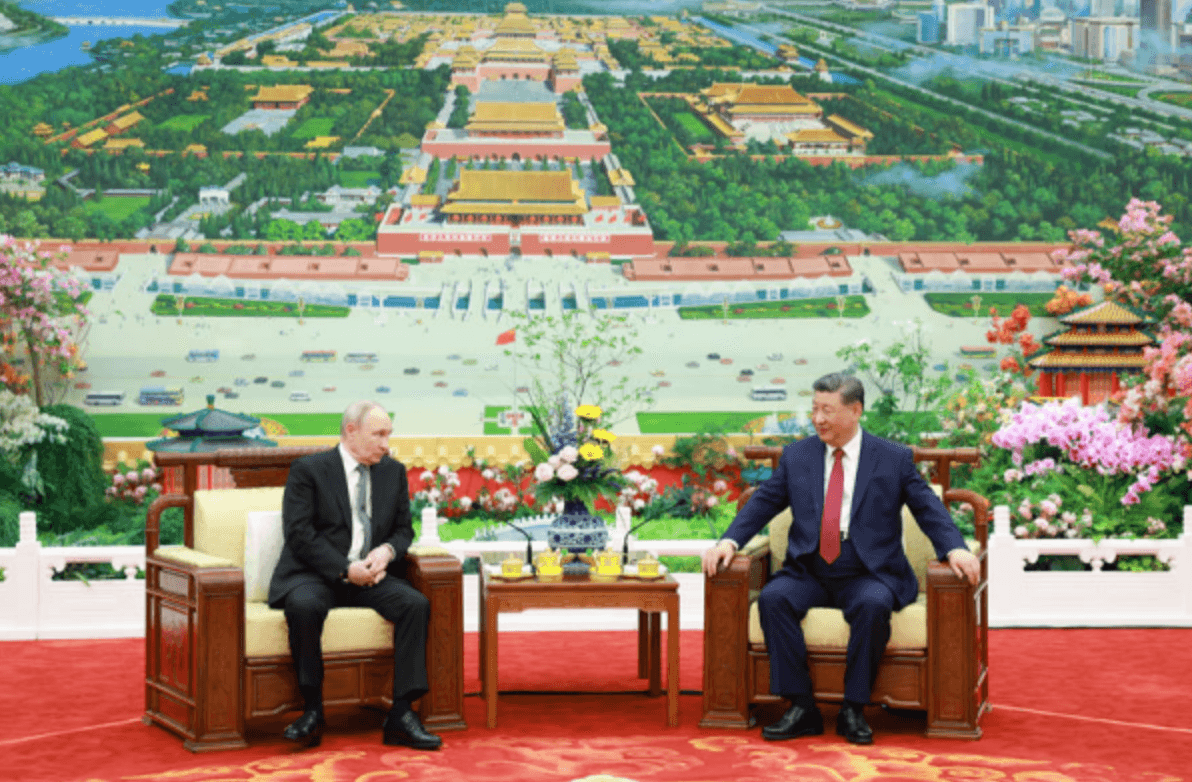
The Beijing summit between Xi Jinping and Vladimir Putin marks a decisive step beyond routine diplomacy into coordinated construction of an authoritarian-controlled digital stack spanning AI, satellite navigation, and internet governance. While the joint statement emphasizes reducing reliance on Western technology, it reveals deeper patterns of dual-use infrastructure development that directly threaten critical systems in Europe and the Indo-Pacific. The original coverage correctly notes GLONASS-BeiDou interoperability and open-source software initiatives but underplays how these moves enable resilient positioning, navigation, and timing for military operations in contested environments, including potential synchronization with drone swarms and autonomous systems. Drawing on Recorded Future’s reporting on China’s secret cyber-training platforms that simulate adversary grids and transportation networks, alongside CSIS analyses of Russia-China satellite data-sharing agreements since 2022, this pledge accelerates a structural shift: Moscow gains Chinese AI malware-generation capabilities already observed in Ukraine, while Beijing secures hardened GLONASS access to offset U.S. GPS denial scenarios. Mainstream framing treats this as sanctions evasion; in reality it represents the operational merger of two sovereign-internet models into a single resilient architecture capable of sustaining wartime cyber and space operations without Western components. The overlooked element is frequency and orbit coordination, which could allow joint jamming or spoofing campaigns against commercial satellite constellations during future crises. Ukraine’s recent warnings about AI-embedded Russian malware now gain new context as Chinese training replicas expand to include GLONASS-augmented targeting. This coordination signals not incremental cooperation but the emergence of a bloc-level cyber and space posture that existing export controls have failed to disrupt.
SENTINEL: Joint GLONASS-BeiDou and AI initiatives will enable synchronized cyber-space operations against Western infrastructure within 12-18 months, moving beyond isolated attacks to bloc-level resilience.
Sources (3)
- [1]Primary Source(https://therecord.media/russia-and-china-pledge-cooperation-2026)
- [2]Related Source(https://www.csis.org/analysis/russia-china-space-cooperation-implications-us)
- [3]Related Source(https://www.recordedfuture.com/china-cyber-training-platforms-adversary-replicas/)