Indonesian Nickel Maintenance Cuts Expose Fragile Supply Chains in Critical Minerals Race
Maintenance-driven nickel output reductions in Indonesia coincide with electrification demand pressures, prompting divergent policy responses on supply security without clear resolution in trade data.
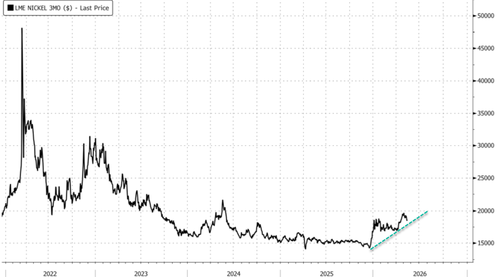
Recent rotational maintenance at Weda Bay Industrial Park, representing up to 15% of high-grade nickel pig iron capacity, aligns with Indonesia's documented dominance in global output as reported in primary production statistics. This occurs alongside earlier reductions tied to ore availability and processing costs. Multiple perspectives emerge from policy documents: Indonesian authorities emphasize domestic value addition through smelter clusters, while US and EU critical minerals strategies highlight risks of concentrated supply from a single producer. Connections to sulfuric acid pricing volatility, referenced in trade flow data amid Strait of Hormuz tensions, add layers for battery-grade nickel routes. Broader patterns include China's role in Indonesian processing investments versus Western efforts under acts like the Inflation Reduction Act to diversify sourcing. Primary LME trading records show price movements toward the $20,000 threshold, yet forecasts vary on whether this signals sustained tightness or temporary adjustment during EV ramp-up phases.
MERIDIAN: Maintenance schedules at major Indonesian hubs may prompt accelerated diversification policies in import-dependent regions, though primary production data indicates limited near-term global capacity offsets.
Sources (3)
- [1]London Metal Exchange Official Nickel Data(https://www.lme.com/Metals/Non-ferrous/Nickel)
- [2]USGS Mineral Commodity Summaries Nickel Chapter(https://pubs.usgs.gov/periodicals/mcs2024/mcs2024-nickel.pdf)
- [3]Indonesia Ministry of Energy and Mineral Resources Production Statistics(https://www.esdm.go.id/en/publication/statistics)