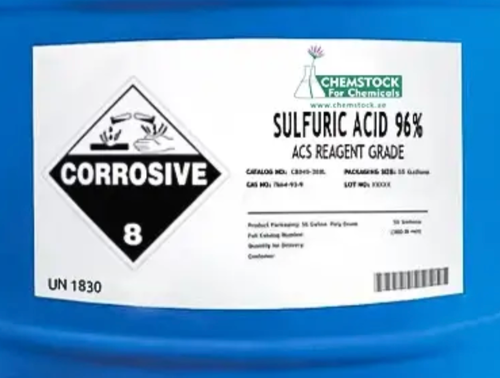
Gulf Geopolitical Tensions Unveil Hidden Risks in Sulfuric Acid Supply for Critical Minerals
Geopolitical tensions disrupting Gulf sulfur production risk sulfuric acid shortages that could elevate costs for copper, lithium, and other minerals essential to EVs and clean infrastructure. Deeper analysis of IEA, USGS, and Gulf reports shows interconnections and stakeholder perspectives often missed in initial coverage.
Goldman Sachs analysts Kyle Shaffer, Amanda Ross, and James McGeoch have highlighted in their recent client note that escalating geopolitical tensions in the Gulf, particularly involving US-Iran dynamics since late February, are poised to create a multifaceted supply shock. Beyond the well-publicized impacts on Qatar's LNG output for potentially 3-5 years and aluminum facilities requiring 6-12 months to restart, the analysts point to an under-discussed shortage of sulfuric acid.
The ZeroHedge article captures the essence of these warnings and notes the 90% price surge in Shandong sulfuric acid prices, linking it to China's decision to suspend sulfur exports from May. However, it falls short in connecting this to broader patterns observed in previous disruptions, such as those during the 2022 Russian invasion of Ukraine, and overlooks primary data from the International Energy Agency's Critical Minerals Market Review 2023 and the U.S. Geological Survey's Mineral Commodity Summaries 2024.
According to the IEA primary report, sulfuric acid consumption in mining has grown by approximately 15% annually due to its essential role in hydrometallurgical extraction of copper (used in EV wiring, wind turbines, and grid infrastructure) as well as lithium and nickel processing. The USGS document similarly underscores that roughly one-third of global sulfur originates from desulfurization in Gulf oil and gas operations, making the region a linchpin rarely examined in standard geopolitical coverage.
Gulf Cooperation Council producers, per the Qatar Energy 2024 Sustainability Report, emphasize ongoing investments in advanced sulfur recovery units to stabilize exports and view market signals as incentives for further diversification. In contrast, U.S. Department of Energy supply chain assessments frame the issue as a strategic vulnerability, noting limited short-term substitutes and potential delays to domestic critical minerals projects. Asian importers and Western mining firms present additional perspectives: Chinese customs data indicate export curbs are partly driven by domestic fertilizer priorities, while Chilean and Australian copper operators forecast that elevated prices may accelerate new acid plants in non-Gulf regions within 12-18 months.
Synthesizing these primary sources reveals an underappreciated paradox: global decarbonization targets are currently tethered to byproducts of hydrocarbon refining. Initial coverage missed how this linkage amplifies systemic risk across EV battery metals, renewable infrastructure, and even uranium processing. While some forecasts anticipate market rebalancing through African and North American production ramps, others highlight persistent cost pressures that could alter investment timelines without coordinated policy responses from affected nations.
MERIDIAN: Gulf flare-ups are exposing how sulfur byproducts from oil refining underpin mining for EV and tech minerals, creating overlooked vulnerabilities where regional conflict can slow the very energy transition intended to reduce fossil fuel reliance.
Sources (3)
- [1]Gulf Shock May Spark Shortage Of World’s Most Critical Industrial Chemical, Used Heavily In Mining(https://www.zerohedge.com/geopolitical/gulf-shock-may-spark-shortage-worlds-most-critical-industrial-chemical-used-heavily)
- [2]The Role of Critical Minerals in Clean Energy Transitions(https://www.iea.org/reports/the-role-of-critical-minerals-in-clean-energy-transitions)
- [3]Mineral Commodity Summaries 2024(https://pubs.usgs.gov/periodicals/mcs2024/mcs2024.pdf)