DOE Scraps Three Biden-Era Transmission Corridors, Prioritizing Reliability Over Climate Mandates
DOE cancels three NIETCs citing ineffective prior process and community concerns; official records and multiple outlets confirm move amid debates over grid needs vs. policy priorities.
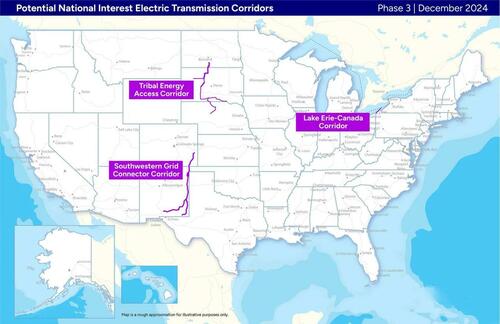
The U.S. Department of Energy under Secretary Chris Wright has formally terminated review of three proposed National Interest Electric Transmission Corridors (NIETCs) originally advanced in late 2024: the Lake Erie–Canada Corridor, Southwestern Grid Connector Corridor, and Tribal Energy Access Corridor. Official DOE announcements confirm the decision followed extensive public comment and stakeholder input, concluding the designation process would not proceed. Wright stated that transmission policy must serve American consumers rather than advance prior administration priorities or special interests, noting the framework had generated confusion over federal authority and failed to demonstrably improve reliability or lower costs.
The corridors were intended to address congestion in regions including PJM Interconnection areas, Southwest Power Pool-WestConnect links, and tribal lands in the Dakotas and Nebraska. A July 2026 draft National Transmission Needs Study highlighted ongoing grid constraints from load growth in data centers, manufacturing, and industry, yet DOE determined these specific designations were not the optimal path. The agency instead points to alternative financing through its Office of Energy Dominance for rebuilding and reconductoring existing lines.
Critics including the Clean Air Task Force and Environmental Defense Fund argue the move forgoes tools to ease permitting and unlock public-private partnerships, potentially exacerbating costs from congestion. Supporters such as R-CALF USA and local landowners in Colorado and elsewhere welcomed the outcome, citing risks to grazing lands, property rights, and rural economies. Federal Register notices from December 2024 document the initial public engagement phases, while recent reporting from Utility Dive, RTO Insider, and TD World corroborates the cancellation details and regional impacts.
This shift reflects broader Trump administration emphasis on energy dominance and skepticism toward frameworks perceived as favoring decarbonization at the expense of affordability and local input. Economic analyses tied to the Needs Study suggest transmission shortfalls could constrain industrial expansion; canceling these corridors may redirect focus to voluntary, market-driven projects less vulnerable to litigation or community opposition.
[Policy Analyst]: Cancellation may slow some interregional projects but accelerate permitting reforms and private investment in reconductoring, potentially stabilizing costs faster than contested federal corridors.
Sources (5)
- [1]Energy Secretary Announces Cancellation of Three Proposed National Interest Electric Transmission Corridors(https://www.energy.gov/articles/energy-secretary-announces-cancellation-three-proposed-national-interest-electric)
- [2]DOE cancels 3 national transmission corridors, citing ‘Green New Scam’(https://www.utilitydive.com/news/doe-cancels-3-national-transmission-corridors-citing-green-new-scam/828012/)
- [3]DOE Cancels Proposed National Interest Electric Transmission Corridors(https://www.rtoinsider.com/139041-doe-cancels-proposed-national-interest-electric-transmission-corridors/)
- [4]DOE Ends Review of Three Proposed National Interest Electric Transmission Corridors(https://www.tdworld.com/overhead-transmission/news/55397881/doe-ends-review-of-three-proposed-national-interest-electric-transmission-corridors)
- [5]DOE's Office of Electricity Publishes 2026 Draft National Transmission Needs Study(https://www.energy.gov/oe/articles/does-office-electricity-publishes-2026-draft-national-transmission-needs-study)