Texas Manslaughter Charge in Tesla FSD Crash Marks Potential Precedent for AV Liability
First manslaughter charges against a Tesla FSD user in a fatal crash establish early legal precedent on driver vs. system liability, exposing regulatory and marketing ambiguities in autonomous vehicle deployment.
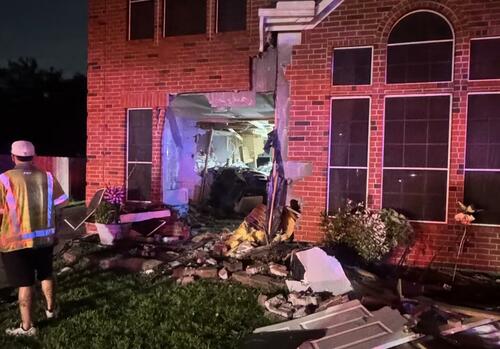
A Texas man has been charged with manslaughter in connection with a June 19 crash in Katy, Texas, where his Tesla Model 3, allegedly operating under Full Self-Driving (Supervised), struck a home and killed 76-year-old Martha Avila. Michael David Butler, 44, of Richmond, faces the charge in Harris County’s 208th District Court, with authorities citing vehicle data showing he repeatedly overrode the system by fully depressing the accelerator, reaching 73 mph in a residential area without braking.[1]
Butler initially told responders he had been using FSD while delivering for DoorDash and lost consciousness after changing music, with no alcohol or drugs detected. However, recovered data and his own Google searches—indicating frustration that FSD was “too timid”—contradict this account, according to court documents and police reports. Tesla has stated that telemetry shows the accelerator was manually held down before and after impact.[2]
The National Highway Traffic Safety Administration (NHTSA) has opened a special crash investigation, part of its broader scrutiny of Tesla’s advanced driver-assistance systems (ADAS). This marks the first manslaughter charge explicitly tied to a driver’s claimed use of Tesla FSD, raising questions about how courts will apportion responsibility when marketing emphasizes system capabilities while warnings stress the need for constant supervision.[3]
Critics have long argued that Tesla’s branding of “Full Self-Driving” fosters over-trust, a concern echoed in prior NHTSA probes into fatal incidents. This case highlights enforcement challenges: even with active ADAS, driver overrides shift primary liability back to the human operator, yet ambiguous marketing may complicate jury perceptions of “reasonable reliance.” Legal observers note potential ripple effects for other AV developers as regulators grapple with human-AI shared control frameworks. The charge underscores gaps in accountability frameworks that prioritize software performance metrics over clear liability allocation in mixed-control scenarios.
[Legal Analyst]: This manslaughter filing could accelerate court tests of ADAS marketing language, forcing clearer distinctions between supervised assistance and implied autonomy in future liability cases.
Sources (5)
- [1]NBC News(https://www.nbcnews.com/news/us-news/tesla-driver-charged-manslaughter-crash-texas-home-rcna352885)
- [2]Reuters(https://www.reuters.com/world/us/tesla-driver-charged-with-manslaughter-over-crash-into-texas-home-2026-07-02/)
- [3]Electrek(https://electrek.co/2026/07/03/tesla-fsd-driver-manslaughter-katy-crash/)
- [4]Global News(https://globalnews.ca/news/11954601/tesla-driver-charged-manslaughter-crash-texas-home/)
- [5]CNBC(https://www.cnbc.com/2026/06/22/tesla-nhtsa-model-3-crash-autopilot-katy-texas.html)