Pentagon's AI Drone Targeting: A Double-Edged Sword in Modern Warfare
The Pentagon’s AI-driven drone targeting project, while innovative, raises overlooked ethical, cybersecurity, and geopolitical risks. Beyond technical specs, the potential for misidentification, system vulnerabilities, and arms race escalation demands deeper scrutiny.
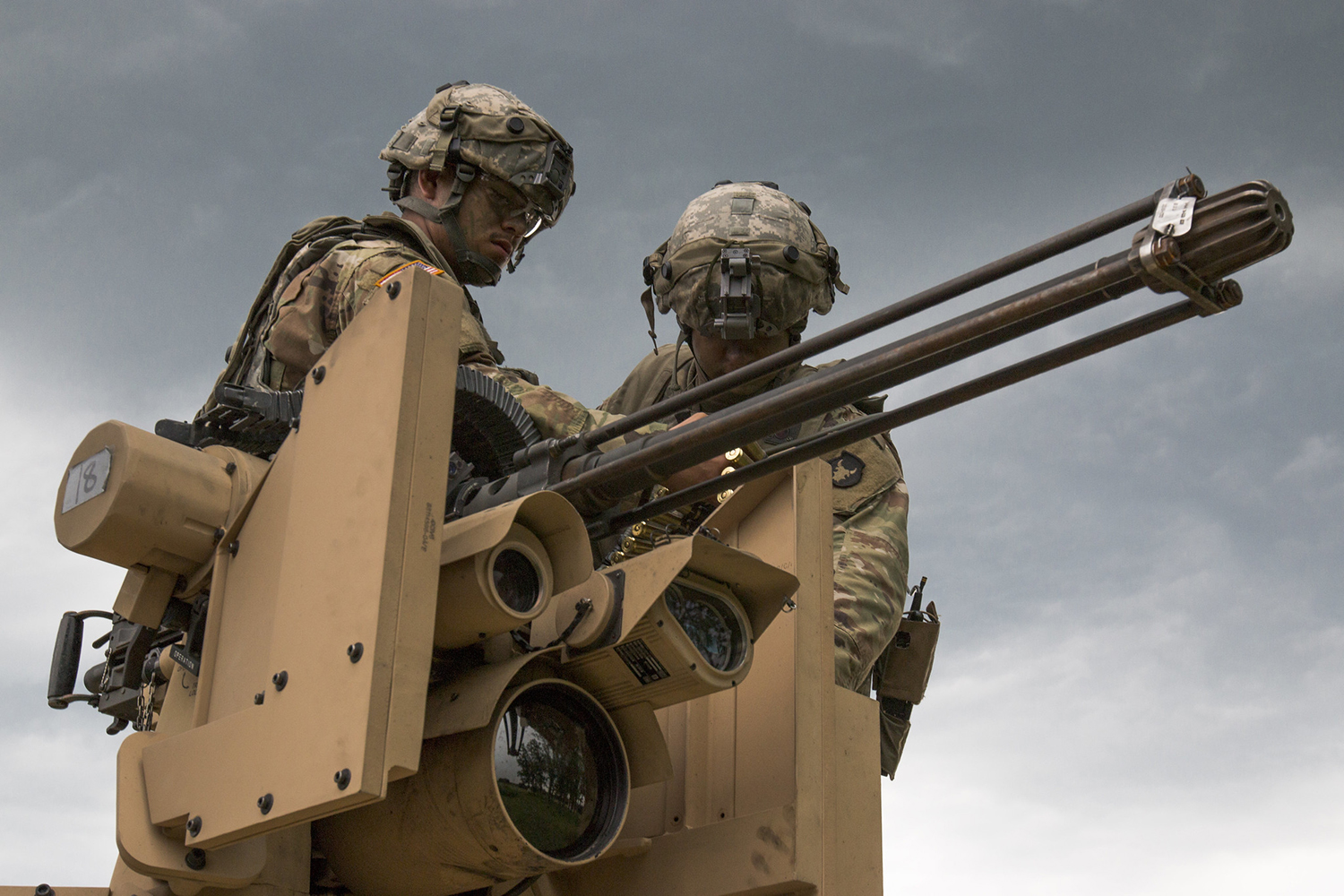
The Pentagon's recent push to integrate AI-enhanced target recognition (AiTR) into counter-unmanned aircraft systems (C-UAS), as detailed in the Defense Innovation Unit (DIU) solicitation, marks a significant evolution in military technology. The project, focusing on the Common Remotely Operated Weapon Station (CROWS) and extending to small arms for dismounted troops, aims to accelerate threat detection and engagement timelines against drones. However, beyond the technical advancements reported by Defense News, this initiative raises profound ethical, operational, and strategic concerns that have been underexplored in mainstream coverage.
First, while the solicitation emphasizes a 'human-in-the-loop' requirement and adherence to DoD’s AI Ethical Principles, the practical implementation of such safeguards in high-stress combat scenarios remains uncertain. Historical precedents, such as the 1988 USS Vincennes incident where human error led to the downing of a civilian airliner, underscore the risks of over-reliance on automated systems—even with human oversight. AI systems, trained on imperfect datasets, could misidentify targets (e.g., distinguishing birds from drones as noted in the project specs), potentially leading to civilian casualties or friendly fire incidents. The Defense News piece glosses over these risks, focusing instead on performance metrics like detection ranges and drone speeds.
Second, the project’s phased approach—moving from vehicle-mounted systems to dismounted small arms—signals a broader trend toward pervasive automation in individual soldier kits. This mirrors developments in programs like the Army’s Integrated Visual Augmentation System (IVAS), which also integrates AI for situational awareness. Yet, the original coverage misses the cybersecurity implications of networking these systems via 'commercial wireless edge network architecture.' As seen in past incidents like the 2017 WannaCry ransomware attack that impacted critical infrastructure globally, commercial networks are often less secure than military-grade systems, creating vulnerabilities for data interception or system sabotage by adversaries like China or Russia, who have demonstrated advanced cyber capabilities.
Finally, the geopolitical ramifications of this technology are significant but absent from the initial reporting. The proliferation of AI-driven targeting systems could accelerate an arms race in autonomous weaponry, especially as near-peer competitors like China advance their own AI military applications (e.g., China’s reported use of AI in swarm drone technology). Moreover, the export of such systems to allies or their capture by adversaries could shift regional power balances, a concern echoed in the 2021 UN report on lethal autonomous weapons systems (LAWS), which highlighted the risk of destabilizing escalation.
In synthesizing insights from multiple sources, including the Defense News article, a 2022 RAND Corporation report on AI in military operations, and the UN’s 2021 LAWS discussion, it’s clear that while the Pentagon’s initiative promises tactical advantages, it also introduces systemic risks. The focus on speed and precision must be balanced against the potential for error, ethical erosion, and strategic miscalculation. Without robust testing beyond 'laboratory settings' and transparent accountability mechanisms, this technology could undermine the very security it seeks to enhance.
SENTINEL: The Pentagon's AI targeting tech will likely face real-world challenges in distinguishing threats, risking errors. Expect increased scrutiny over ethical breaches and cyber vulnerabilities as deployment scales.
Sources (3)
- [1]Pentagon Turns to AI Targeting to Help Troops Shoot Drones(https://www.defensenews.com/industry/2026/05/07/pentagon-turns-to-ai-targeting-to-help-troops-shoot-drones/)
- [2]Artificial Intelligence and National Security(https://www.rand.org/pubs/research_reports/RR4229.html)
- [3]UN Report on Lethal Autonomous Weapons Systems(https://www.un.org/disarmament/the-convention-on-certain-conventional-weapons/group-of-governmental-experts-on-lethal-autonomous-weapons-systems/)