San Francisco Ends School Lottery for Neighborhood Assignments as Humanoid Robots Signal Workforce Disruption
SFUSD's October 2026 vote ends the elementary school lottery in favor of neighborhood assignments effective 2028, analyzed through the lens of emerging humanoid robot deployments that could reshape entry-level jobs and demand adaptive education systems.
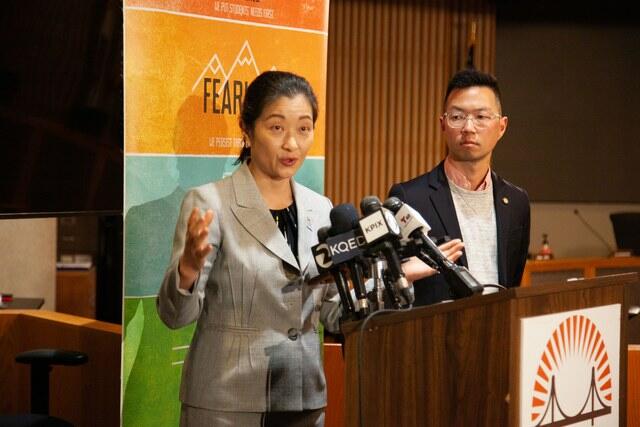
The San Francisco Unified School District (SFUSD) Board of Education voted 5-2 on October 13, 2026, to direct development of a neighborhood-based student assignment system for elementary schools, replacing the long-standing lottery system. The policy guarantees a seat at a student's local school based on home address, with limited options for citywide specialized programs like language immersion or special education. It is slated for implementation in the 2028-29 school year following final approval in April 2027.[1][2]
This change comes as analysts highlight accelerating real-world deployment of humanoid robots. BTIG strategist Jesse Sobelson reported from the RoboStrategy Robotics Founders Forum that physical AI is transitioning from prototypes to commercial utility in factories, warehouses, and restaurants, with task-specific systems achieving over 99% accuracy in some cases and deployments increasing rapidly.[3] Goldman Sachs and other firms have revised upward forecasts for humanoid adoption through the decade.
Critics of the lottery argued it allowed higher-resource families to 'escape' underperforming schools, exacerbating segregation despite its original intent to promote diversity. Proponents of neighborhood schools contend it forces equitable investment across all sites. However, in an era of humanoid robots potentially automating routine and physical labor, neighborhood-based education could either concentrate resources for targeted upskilling in tech-adjacent skills or risk entrenching disparities if under-resourced local schools lag in STEM and adaptive learning curricula.
SFUSD Superintendent Maria Su emphasized the need for intentional resourcing to make every neighborhood school viable, acknowledging historical disinvestment. Parent surveys favored broader choice options, raising concerns about reduced mobility in a job market where AI and robotics may demand flexible, high-skill preparation regardless of ZIP code.[4]
The policy shift underscores tensions between localized stability and systemic equity at a moment when workforce transformation via humanoid robots is no longer speculative but evidenced by early commercial pilots.
LIMINAL: Neighborhood school mandates may accelerate or hinder localized upskilling programs critical for human-robot collaboration economies, potentially widening gaps in districts slow to adapt curricula to physical AI realities.
Sources (4)
- [1]San Francisco Board of Education Approves Resolution to Move SFUSD Toward Neighborhood-Based Student Assignment System(https://www.sfusd.edu/about-sfusd/sfusd-news/press-releases/2026-10-13-san-francisco-board-education-approves-resolution-move-sfusd-toward-neighborhood-based-student)
- [2]SFUSD Moves Closer to Neighborhood-Based Enrollment in Historic Vote(https://www.kqed.org/news/12104230/sfusd-moves-closer-to-neighborhood-based-enrollment-in-historic-vote)
- [3]SFUSD commissioners vote on ending school choice lottery in favor of neighborhood models(https://www.nbcbayarea.com/news/local/sfusd-school-choice-lottery-neighborhood-enrollment-vote/4157628/)
- [4]BTIG Spots 'Real-World Evidence' Humanoid Robots Are Entering The Workforce(https://www.zerohedge.com/technology/btig-spots-real-world-evidence-humanoid-robots-are-entering-workforce)