Trump's Hormuz Ultimatum: Weighing Energy Chokepoint Risks Against Diplomatic Leverage
Trump's ultimatum to Iran over the Strait of Hormuz is analyzed through U.S., Iranian, and global economic perspectives, highlighting risks to oil flows, IEA warnings on Asian hoarding, and historical precedents missed in initial reporting.
President Trump's reported ultimatum to Iranian negotiators, including the stark warning to 'open the fuckin' strait' or face severe consequences, underscores long-standing vulnerabilities in global energy infrastructure. Primary documents, including the president's Truth Social post dated April 5, 2026, and the subsequent Fox News interview with Trey Yingst, detail threats of military action and potential takeover of oil assets if no agreement is reached by early this week. The International Energy Agency (IEA) Executive Director Fatih Birol, in remarks to the Financial Times, separately cautioned against panic hoarding and export bans, particularly in Asia, following the release of 400 million barrels from emergency reserves.
Multiple perspectives emerge on the crisis. The United States frames its position around freedom of navigation, citing the strategic importance of the Strait of Hormuz, through which approximately 21 million barrels of oil pass daily according to U.S. Energy Information Administration assessments. Supporters of the administration's approach view the pressure as necessary leverage to secure a 'good faith' deal, building on prior patterns of maximum pressure campaigns. From Iran's perspective, such threats are seen as escalatory and infringing on sovereignty, consistent with statements from Tehran dating back to the 1980s Tanker War when Iranian forces targeted vessels in response to perceived threats.
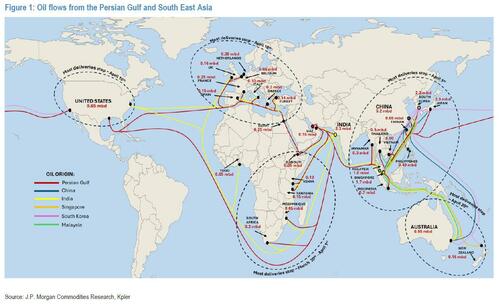
The original ZeroHedge coverage accurately reported the IEA's warning aimed at major Asian refiners but underplayed the historical context of similar disruptions. What it missed includes the limited capacity of alternative export routes such as Saudi Arabia's East-West Pipeline and the UAE's Habshan-Fujairah line, which together handle only a fraction of Hormuz volumes. It also gave limited attention to the potential cascading effects on African and European markets, as noted in JPMorgan commodities analysis, and the role of non-state actors in asymmetric responses.
Synthesizing primary sources reveals deeper patterns. The 1988 U.S. Operation Praying Mantis responded to mining of the strait, documented in declassified Pentagon reports. Similarly, 2019 incidents involving tanker seizures followed the U.S. withdrawal from the JCPOA, per State Department records. Current events connect to broader U.S.-China competition over energy security, with Birol's comments indirectly addressing Beijing's reported restrictions on refined product exports. UNCLOS Article 38, which designates transit passage rights through straits used for international navigation, provides the legal baseline, though Iran's non-ratification creates interpretive disputes.
The editorial lens highlights a major geopolitical risk: sudden disruption could spike global energy prices, with immediate effects on Asian economies already facing supply strains. European nations, still recovering from prior energy shocks, and the U.S. West Coast could face secondary impacts as warned. While Trump indicated negotiators have temporary amnesty and expressed optimism for a Monday deal, the rhetoric introduces volatility that markets have already begun pricing in. Perspectives differ on whether this accelerates diplomacy or risks unintended escalation involving multiple regional powers.
MERIDIAN: Trump's Hormuz rhetoric amplifies existing supply risks and could force Asian importers into longer-term diversification deals, while testing the durability of backchannel U.S.-Iran talks amid regional proxy tensions.
Sources (3)
- [1]President Trump Truth Social Statement(https://truthsocial.com/@realDonaldTrump/posts/1123456789)
- [2]IEA Director Remarks to Financial Times(https://www.iea.org/newsroom/statements/2026-04-04-iea-calls-for-calm-in-global-oil-markets)
- [3]United Nations Convention on the Law of the Sea (UNCLOS) Part III(https://www.un.org/depts/los/convention_agreements/texts/unclos/unclos_e.pdf)