Declassification Cascade Begins: Gabbard Referrals Signal Reckoning on 2019 Impeachment as Iran Ceasefire Frees Domestic Focus
Criminal referrals by DNI Tulsi Gabbard on 2019 impeachment figures, timed with Iran war de-escalation, indicate accelerating declassifications targeting intelligence community misconduct. This fits a pattern of suppressed systemic corruption disclosures that could realign U.S. political and oversight institutions.
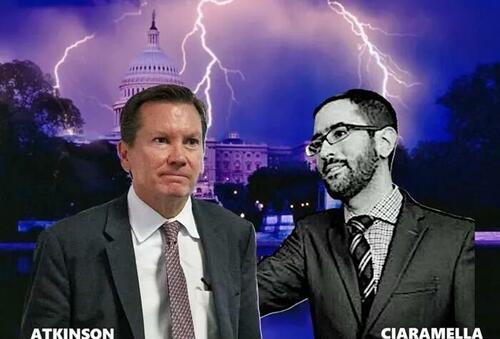
As fragile ceasefires take hold in the 2026 Iran conflict, President Trump appears positioned to pivot from geopolitical restructuring to long-promised domestic accountability. Recent actions by Director of National Intelligence Tulsi Gabbard—sending criminal referrals to the DOJ targeting Eric Ciaramella, the CIA analyst widely identified as the 2019 Ukraine impeachment whistleblower, and former Intelligence Community Inspector General Michael Atkinson—mark the first concrete steps toward unwinding what critics have long described as a coordinated lawfare campaign. These referrals cite procedural violations, including Atkinson's alleged alterations to whistleblower forms to accommodate hearsay, bypassing DOJ guidance on 'urgent concern' criteria, and failing to properly vet partisan connections. Declassified transcripts released alongside these moves reveal the complaint's reliance on secondhand information and suppressed ties to Biden campaign associates.
This development aligns with the editorial lens of an impending cascade of systemic corruption revelations. The 2019 impeachment, built around a July 2019 phone call between Trump and Zelensky, is now framed by these documents as the opening act in a series of intelligence community interventions that later encompassed the Durham probe findings on Crossfire Hurricane, suppressed Hunter Biden laptop intelligence, and broader efforts to constrain Trump's foreign policy. Mainstream coverage has emphasized congressional war powers debates surrounding the Iran strikes—multiple failed Democratic resolutions in the House and Senate to compel withdrawal—while minimally addressing the Gabbard referrals, consistent with a pattern of framing accountability measures as partisan retribution rather than institutional correction.
Connections emerge when viewing the timeline: successful degradation of Iranian proxy networks, including the effective neutralization of Hezbollah funding pipelines, reduces immediate Middle East volatility and NATO dependencies that previously constrained U.S. action. European reluctance to support operations from shared bases has further exposed fractures in transatlantic alliances, echoing longstanding heterodox critiques of entangling bureaucracies. With Pakistan meetings rumored and Strait of Hormuz dynamics stabilizing, bandwidth increases for addressing the 'serial seditions' referenced in declassification planning. Observers note this could extend beyond the first impeachment to encompass related actors from the Russia investigation, potentially forcing reforms in intelligence oversight, inspector general independence, and congressional briefing protocols.
The psychopolitical dimension is stark: half the country, per cultural signals from figures like actor James Woods, remains resistant to acknowledging visible institutional failures. Should further declassifications materialize as rumored—potentially encompassing larger casts from the Kiev embassy, congressional leadership, and intelligence leadership—they risk reshaping not merely partisan power but public trust in the permanent state itself. Mainstream outlets, positioned by prior narrative investments, are structurally incentivized to spin these as threats to 'norms' rather than restoration of them. The coming weeks, with Acting AG Todd Blanche holding the referrals, will test whether legal momentum can overcome entrenched resistance. This moment represents more than political score-settling; it tests whether self-correcting mechanisms still function within a republic strained by layered deceptions.
LIMINAL: Gabbard's referrals and associated declassifications represent the leading edge of a multi-year institutional unwinding; success here could trigger parallel disclosures on Russia probe origins and election-related suppressions, accelerating a legitimacy crisis for legacy intelligence bureaucracies while empowering reformist factions.
Sources (4)
- [1]DNI Tulsi Gabbard Sends Criminal Referrals for ICIG Michael Atkinson and CIA Analyst Eric Ciaramella(https://theconservativetreehouse.com/blog/2026/04/15/dni-tulsi-gabbard-sends-criminal-referrals-for-icig-michael-atkinson-and-cia-analyst-eric-ciaramella/)
- [2]House rejects effort to withdraw U.S. forces from Iran war as GOP lawmakers stick with Trump(https://www.pbs.org/newshour/politics/house-rejects-effort-to-withdraw-u-s-forces-from-iran-war-as-gop-lawmakers-stick-with-trump)
- [3]2025–2026 Iran–United States negotiations(https://en.wikipedia.org/wiki/2025%E2%80%932026_Iran%E2%80%93United_States_negotiations)
- [4]House narrowly rejects limits on Trump as Iran war drags on(https://www.politico.com/news/2026/04/16/house-rejects-trump-limits-iran-war-00876707)