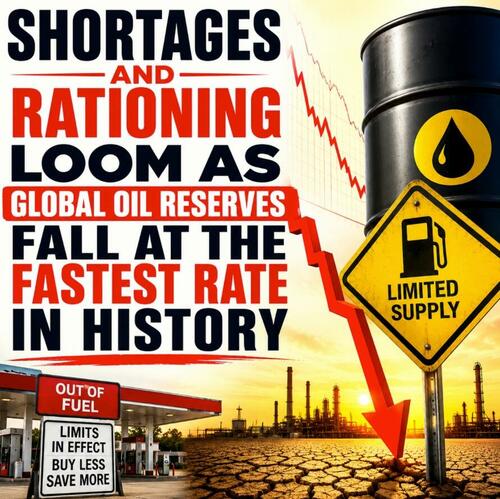
Record Global Oil Drawdowns Expose Structural Energy Crunch Beyond Iran Conflict
Global oil stocks are falling at the fastest recorded pace due to Hormuz disruptions from the 2026 Iran conflict, depleting buffers at 4-8.7 mb/d and pushing SPR and commercial inventories toward critical lows by late June or July. This reveals deeper structural depletion and underinvestment issues linking directly to higher inflation, transport costs, and geopolitical instability that extend far beyond the immediate war.
Global oil inventories are depleting at unprecedented speeds in 2026, with the International Energy Agency documenting draws of 246 million barrels across March and April alone, followed by record May declines reaching 8.7 million barrels per day. This acceleration stems from severe disruptions in the Strait of Hormuz triggered by conflict with Iran that began in late February, slashing roughly 25% of seaborne oil flows and forcing emergency releases from strategic reserves worldwide. The U.S. Strategic Petroleum Reserve has fallen to 365 million barrels after successive record weekly drawdowns exceeding 9 million barrels, according to EIA data reported by Reuters and CNN. Analysts at Goldman Sachs, Morgan Stanley, and Capital Economics warn that commercial inventories in Asia are already nearing minimum operating levels, with Europe and the U.S. potentially facing shortages and gasoline prices spiking toward $5 per gallon by July if flows do not normalize. While mainstream coverage attributes this entirely to the current geopolitical flare-up, deeper analysis reveals underlying vulnerabilities: decades of underinvestment in conventional supply, just-in-time inventory practices that leave little buffer, and accelerating baseline depletion rates that predate the Hormuz crisis. These dynamics amplify direct transmission to inflation through elevated transport and logistics costs, which ripple into food, manufacturing, and consumer goods. Geopolitically, the crisis underscores risks of prolonged supply fragility, potential rationing scenarios, and shifting alliances as nations compete for remaining barrels—connections often minimized until physical shortages materialize. Brookings Institution modeling shows temporary buffers like floating storage and emergency IEA releases will exhaust by mid-July, exposing a structural 7+ million barrels per day deficit that could reshape global economic and security priorities for years. This event serves as a stark signal that energy transition narratives have overlooked the persistent materiality of oil in the near term, where depletion velocity now outpaces both renewables scaling and new drilling.
LIMINAL: This record depletion velocity is not merely a war blip but exposes chronic supply fragility and underinvestment, likely locking in higher baseline energy costs that accelerate inflation, strain global transport networks, and intensify resource-driven geopolitical realignments for the rest of the decade.
Sources (5)
- [1]IEA Oil Market Report - May 2026(https://www.iea.org/reports/oil-market-report-may-2026)
- [2]Iran war is draining world's oil buffer at an unprecedented rate(https://fortune.com/2026/05/09/iran-war-is-global-oil-stockpile-reserves-releases-strategic-petroleum-reserve/)
- [3]US draws down record volumes of crude oil from stocks, EIA says(https://www.reuters.com/business/energy/us-draws-down-record-volumes-crude-oil-stocks-eia-says-2026-05-20/)
- [4]The timing of the impending crude crisis(https://www.brookings.edu/articles/the-timing-of-the-impending-crude-crisis/)
- [5]Global Oil Reserves Drop at Record Pace, IEA Says(https://mexicobusiness.news/oilandgas/news/global-oil-reserves-drop-record-pace-iea-says)