US prosecutors unseal indictment charging 3 in alleged Iran-linked attacks on bases and Jewish targets
Manhattan prosecutors unsealed an indictment charging three men in an alleged Iran-linked network that directed attacks and plots across Europe and the United States, including against RAF Fairford and Jewish targets. The case matters because it describes remote command from ordinary meeting spaces and communication tools, turning corporate-like infrastructure into a vector for state-linked violence. It also shows how courts, police, financial systems, and technology platforms are pulled into national security enforcement.
Manhattan federal prosecutors unsealed an eight-count superseding indictment charging three men in an alleged Iran-linked network that directed attacks and plots against U.S. military, Jewish, and Israeli-linked targets. The defendants are named as Mohammad Baqer Saad Dawood al-Saadi, Mohsen Mohajeri, and Mohammad Ali al-Hassani. Prosecutors say only al-Saadi is in U.S. custody, while the others are believed to be in Iran. The charges describe live video calls, payments, and propaganda tied to nearly 20 attacks and attempted attacks in Europe and the United States.
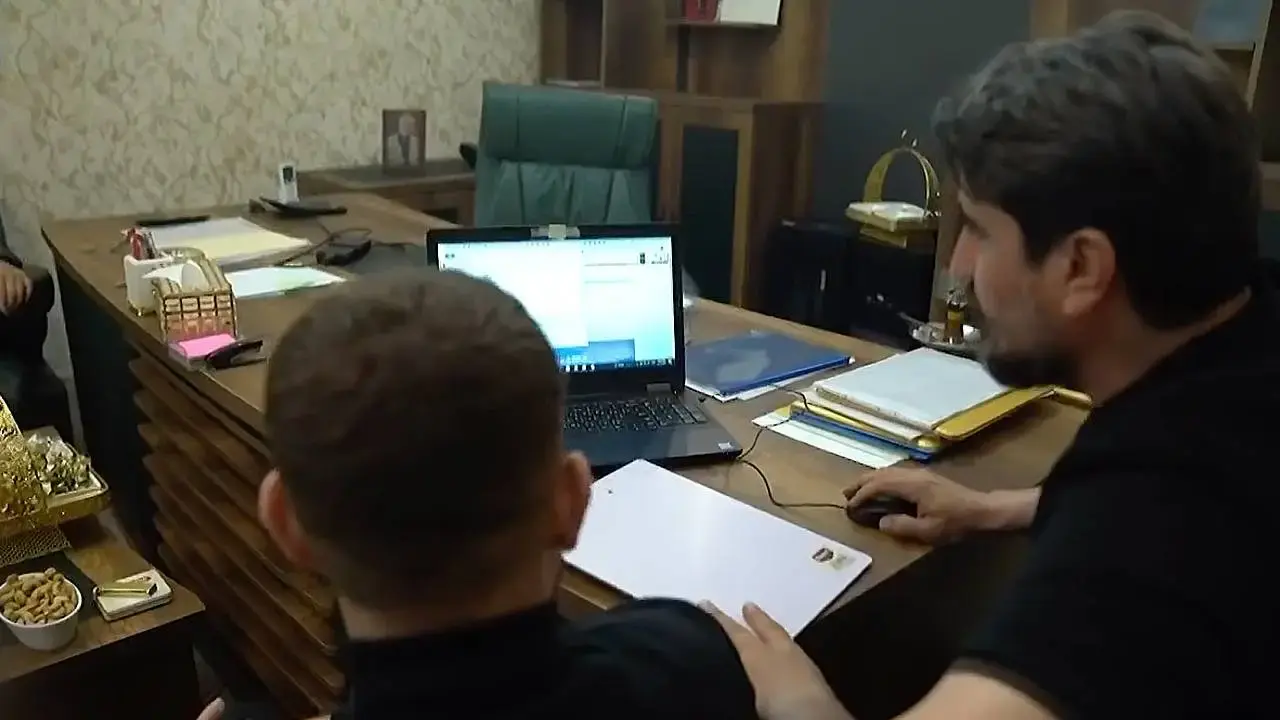
The indictment and prosecutorial statements cite video of men around screens, including one session projected with the logo of Harakat Ashab al-Yamin al-Islamiya, or HAYI, described as a front group. HAYI claimed responsibility for several London attacks. In a London case, al-Hassani allegedly tells Mohajeri to focus on London, while another clip shows a perpetrator being coached to "Light it up like a Christmas tree" before an improvised device was thrown at a synagogue. U.S. Attorney Jamie McDonald alleged affiliation with Iran's Islamic Revolutionary Guard Corps; British authorities charged locals in some incidents, including a 17-year-old.
A superseding indictment is an updated charging document. The alleged pattern resembles a remote-control model: coordinators in one location use maps, video, and coded messages to direct paid or recruited attackers elsewhere, while local actors carry out arsons, stabbings, and bomb attempts. The material links this method to RAF Fairford, a British base used by U.S. aircraft, where five men were arrested in September after fuel-laden vans were spotted; U.S. bombers were later withdrawn. The account relies on the indictment and statements, not independent verification.
For governments, the case expands the security problem from foreign battlefields to boardrooms, maps, payment rails, and online communications that can be used to direct dispersed attackers. For companies and local authorities, it underscores how private-sector spaces and data can become command infrastructure for state-linked violence, requiring coordination among courts, police, banks, and technology platforms. For Jewish communities and U.S. forces in Europe, the indictment describes a threat already translated into attacks, not merely rhetoric.
Jewish communities, U.S. forces in Europe, and companies face a wider security perimeter as prosecutors allege ordinary meeting spaces, maps, payments, and communications were used to direct violent attacks.
Sources (1)
- [1]Original source(https://www.zerohedge.com/geopolitical/boardroom-jihad-iran-linked-operatives-seen-directing-real-time-attacks-us-bases)