Section 232 Tariff Signals Test U.S. Solar Supply Chain Resilience Amid Broader Trade Realignment
Tariff timing under Section 232 intersects established trade remedies and IRA incentives, producing uneven effects across utility and residential solar segments while accelerating documented supply-chain diversification.
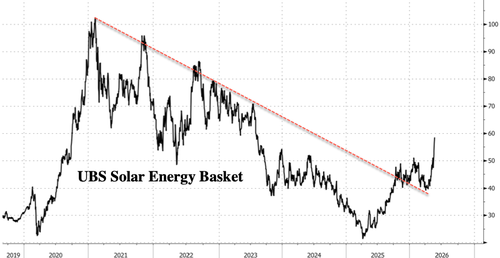
Solar equities have pierced a multi-year resistance line as markets price potential Section 232 actions slated for mid-to-late June. Primary trade documents, including the 2018 Section 201 presidential proclamation on crystalline silicon photovoltaic cells and the subsequent 2022 USTR modifications under the Uyghur Forced Labor Prevention Act, establish the legal architecture now being extended. These measures historically balanced domestic manufacturing safeguards against downstream project economics, yet coverage of the current breakout has under-weighted the interaction between tariff design and capital expenditure cycles documented in the Department of Energy’s 2023 Solar Energy Industries Association supply-chain assessment. One perspective, advanced in USTR filings, frames tariffs as necessary to counter non-market practices that distort global module pricing. An alternative view, reflected in International Trade Commission remedy recommendations, emphasizes that abrupt cost increases can defer utility-scale deployments already contracted under Inflation Reduction Act production tax credits. Supply-chain data from the Census Bureau’s USA Trade Online series show continued concentration of cell imports from Southeast Asia, suggesting any minimum import price mechanism would accelerate relocation decisions already underway by developers such as First Solar. Residential inverter names face separate pressure from channel inventory normalization noted in Goldman Sachs utility-scale demand notes, illustrating divergent segment exposures within the same policy shock. The overlooked linkage is the interaction with allied-country content rules now embedded in CHIPS and Science Act guidance, which may channel tariff revenues toward North American polysilicon and wafer capacity rather than simple import substitution.
MERIDIAN: Tariff structures that pair minimum prices with domestic investment offsets will likely accelerate module manufacturing commitments already visible in Census trade data, while raising near-term levelized costs for projects outside tax-credit qualification windows.
Sources (3)
- [1]U.S. Trade Representative Section 201 Solar Tariff Proclamation(https://ustr.gov/about-us/policy-offices/press-office/press-releases/2018/january/president-trump-approves-relief-us-washing)
- [2]U.S. International Trade Commission Solar Safeguard Report(https://www.usitc.gov/publications/other/pub4739.pdf)
- [3]Department of Energy Solar Supply Chain Assessment(https://www.energy.gov/eere/solar/articles/solar-energy-supply-chain-assessment)