Post-Midterms Calculus: US Weighs Renewed Strikes on Iran as Diplomacy Stalls and Gulf Prepares for Prolonged Conflict
Credible reports from WSJ, JPost, and expert commentary corroborate ZeroHedge's outline of post-midterm US-Iran escalation risks, highlighting military preparations, Trump's rhetoric, and regional hedging that could lock in extended conflict rather than swift diplomacy.
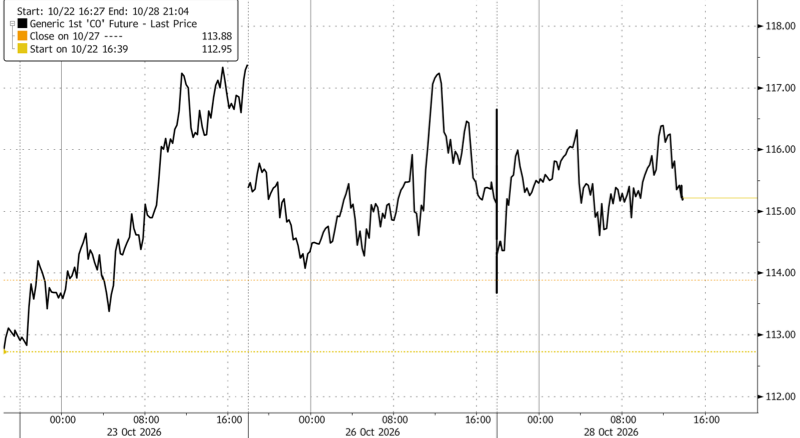
As the November 3, 2026 US midterm elections approach, signals from the Trump administration point to a potential short, intense military campaign against Iran immediately afterward, driven by reduced domestic political sensitivity to higher energy prices and retaliation risks. President Trump has publicly teased renewed action, stating at a Florida rally, 'We may do another little Epic Fury,' echoing prior operations amid an eight-month conflict that has pushed Brent crude above $116 and strained refining capacities ahead of winter.
Wall Street Journal reporting confirms the US has warned Gulf Arab allies to prepare for such a campaign, with military indicators including an additional Patriot missile system en route to Israel, repositioned troops, munitions restocking, and potential deployment of a third carrier strike group. Plans reportedly target up to 3,000 sites, focusing on Iranian infrastructure, missiles, drones, and hardened nuclear facilities like Pickaxe Mountain. Atlantic Council expert Jonathan Panikoff, in recent analyses, assigns roughly 55% odds to escalation versus 25% for a diplomatic off-ramp, noting Iran's rebuilt drone stocks (at or above pre-conflict levels) and missile inventories (65-75% and growing), which complicate any quick resolution.
Iranian Foreign Minister Abbas Araghchi has signaled continued openness to diplomacy, rejecting certain Qatari proposals while Gulf states hedge by preparing for conflicts lasting years rather than months. This dynamic risks entrenching a low-intensity 'mow the grass' cycle of strikes, with proxies like the Houthis enabling broader disruption. The midterms serve as a pivotal inflection: pre-election restraint gives way to greater latitude post-vote, potentially reshaping US priorities in the Gulf toward managed degradation over decisive victory, while allies diversify security ties amid doubts over sustained American commitment.
Panikoff/Atlantic Council analysis: Post-election timing lowers the political cost of Iranian retaliation and oil spikes, tilting the base case toward several weeks of intense strikes followed by a declared 'degraded' pause, entrenching multi-year regional instability over any near-term diplomatic reset.
Sources (5)
- [1]Donald Trump weighs carrying out another 'little Epic Fury' against Iran(https://www.jpost.com/international/article-912674)
- [2]U.S. Warns Gulf of Possible Short, Intense Renewal of Iran War After Midterms(https://www.tovima.com/wsj/u-s-warns-gulf-of-possible-short-intense-renewal-of-iran-war-after-midterms/)
- [3]Trump Preparing for a ‘Short, Intense’ War Against Iran After Election Day(https://www.nationalreview.com/the-morning-jolt/trump-preparing-for-a-short-intense-war-against-iran-after-election-day/)
- [4]All indicators point to conflict in the Middle East in the coming weeks: Jonathan Panikoff(https://www.youtube.com/watch?v=_szeEWqhLRA)
- [5]Trump’s Gamble to End the Iran War(https://www.theatlantic.com/national-security/2026/10/trump-iran-war-strikes-after-midterms/689121/)