Fuel Price Spikes from Geopolitical Conflict Already Transmitting to Retail Shelves, Signaling Broader Price Hikes Ahead
Geopolitical oil shocks in 2026 have driven sharp fuel price increases that are moving from absorbed retailer costs to surcharges and eventual consumer price hikes on groceries and goods, amplifying inflation and pressuring margins as warned by Goldman Sachs and multiple retailers.
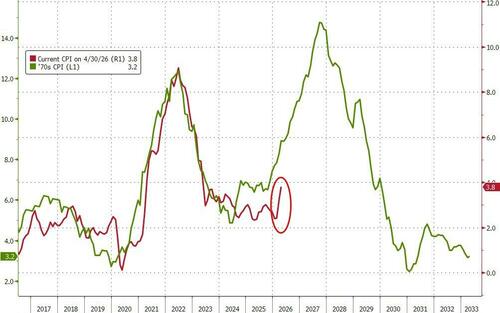
In early 2026, U.S. gasoline and diesel prices surged dramatically following conflict with Iran that disrupted global oil flows through the Strait of Hormuz. Retail gasoline rose more than 25-46% in the first four months of the year, with diesel seeing even steeper increases of up to 40%. These energy cost shocks are now rippling through supply chains, with suppliers adding fuel surcharges to deliveries for groceries, merchandise, and other goods. While major retailers initially absorbed these higher logistics, freight, and input costs without immediate margin collapse, management teams have warned that sustained pressure into the second half of 2026 will force either margin erosion or another round of consumer price increases. Goldman Sachs analysts, including Kate McShane, engaged directly with leadership at Walmart, Costco, Best Buy, Dollar Tree, and others. The consensus read-through was that current cost pressures from domestic trucking surcharges, ocean freight, and supplier pass-throughs remain manageable but are testing the limits of vendor negotiations and operational efficiencies. Several retailers flagged that prolonged elevation through summer would make offsets increasingly difficult. This dynamic echoes concerns raised in the original coverage, reviving 1970s-style worries of energy-driven inflation squeezing households with depleted savings who continue spending into weakness. Grocery retailers have reported vendors adding fuel surcharges on meat, produce, and dry goods deliveries, with the full impact on shelf prices still building according to Purdue University analysis. Broader CPI data for March showed a 0.9% monthly jump—the largest since 2022—driven overwhelmingly by a 21%+ surge in gasoline. This pass-through extends beyond fuel at the pump: higher diesel costs inflate transportation expenses that comprise up to 20% of landed goods costs in some cases, affecting everything from consumer packaged goods to sporting equipment. Retail sales rose nominally in March on higher gasoline prices, but this masks the real hit to discretionary spending power. Connections often missed include the compounding effect with prior tariff-induced inflation and persistent supply chain frictions; companies hedging oil derivatives still anticipate gross margin headwinds. Lower-income households face disproportionate pressure as everyday essentials inflate. If fuel prices remain elevated, the risk shifts from absorbed corporate costs to visible retail price hikes on store shelves within months, potentially tipping the economy toward slower growth amid sticky inflation. Monitoring Q2 and Q3 earnings will be critical for updated commentary on freight costs and pricing power.
LIMINAL: Retailers will increasingly pass fuel and freight costs to consumers by late 2026, driving higher everyday prices that further strain household budgets and elevate core inflation risks.
Sources (5)
- [1]US grocery prices rose in April, but gas spikes weren't the only reason(https://www.wsls.com/news/politics/2026/05/13/us-grocery-prices-rose-in-april-but-gas-spikes-werent-the-only-reason/)
- [2]The Outlook for the US Consumer amid Rising Inflation(https://www.goldmansachs.com/insights/articles/the-outlook-for-the-us-consumer-amid-rising-inflation)
- [3]Record surge in gas prices fuels U.S. inflation(https://finance-commerce.com/2026/04/us-inflation-gas-prices-iran-war-march-cpi/)
- [4]U.S. Gas Prices Jump Again as Oil Tops $90 for First Time in Years(https://www.nytimes.com/2026/03/06/business/gas-prices-jump.html)
- [5]Implications of the Middle East conflict for the US economy(https://www.deloitte.com/us/en/insights/topics/economy/us-economy-impact-higher-oil-prices-middle-east-conflict.html)