Alphabet Equity Raise Exposes AI Capex Pressures and Dilution Tradeoffs
Alphabet's equity raise for AI capex reveals funding scale, dilution risks, and varied stakeholder views drawn from regulatory filings.
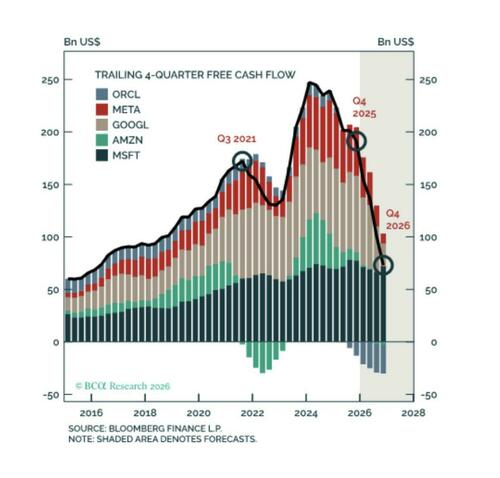
Alphabet's $80 billion equity offering, detailed in its SEC Form 8-K filing, marks a departure from typical debt-financed infrastructure builds by hyperscalers. Company statements frame the move as essential to scale AI compute amid projected demand growth, yet primary disclosures reveal $40 billion via at-the-market sales partly allocated to employee equity tax obligations. Berkshire Hathaway's $10 billion discounted purchase, cross-referenced against its latest 13F, adds a layer of institutional validation while highlighting negotiated concessions to attract capital. Perspectives differ sharply: proponents cite necessary expansion to maintain competitive positioning against global rivals, while critics point to immediate per-share value erosion and questions over free cash flow sustainability. Related SEC filings from peer firms show parallel but smaller-scale debt reliance, underscoring Alphabet's outlier equity approach. Policy angles include potential antitrust review of concentrated AI infrastructure spending and tax treatment of equity awards. The coverage in secondary outlets overlooks how mandatory convertible structures may defer dilution effects into future earnings periods.
MERIDIAN: Regulatory filings indicate hyperscalers may increasingly blend equity and structured instruments for AI infrastructure, affecting earnings visibility and oversight priorities.
Sources (2)
- [1]Primary Source(https://www.sec.gov/Archives/edgar/data/1652044/000165204424000023/goog-20240624.htm)
- [2]Related Source(https://www.sec.gov/Archives/edgar/data/1067983/000095017024075000/0000950170-24-075000-index.htm)