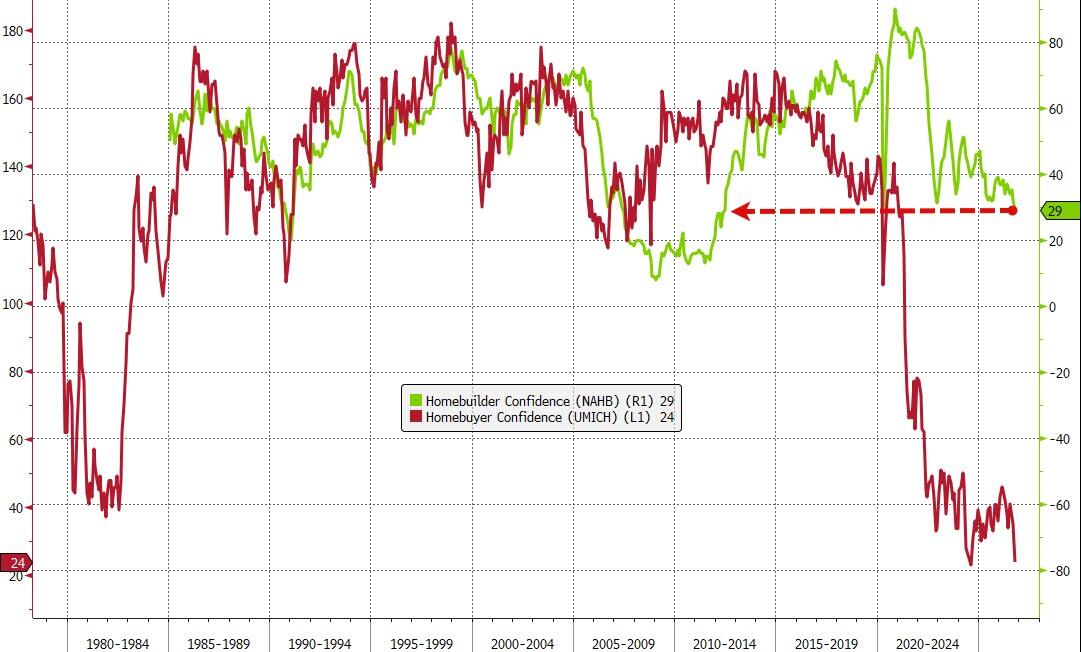
US Housing Starts Fall 5.2 Percent in September to Near Post-COVID Lows
US housing starts contracted sharply in September as elevated mortgage rates widened the gap with legacy loans, reducing builder incentives and construction hiring. Primary data confirm permit restraint and elevated new-home inventories. The resulting supply response will keep sector employment and near-term home purchases subdued absent a sustained rate decline.
September permits edged down 0.2 percent while starts of single-family units hit the weakest reading since late 2022. The NAHB index had already signaled builder pullback tied to 7.5 percent mortgage rates against an existing homeowner average of 4.33 percent. Inventory of new homes for sale reached multi-year highs as builders withheld new supply rather than absorb further margin compression.
The rate lock-in effect reduces seller mobility and buyer entry, directly contracting labor demand in framing, concrete, and finishing trades. Construction employment data show hours worked flattening in the same states posting the largest permit declines. Forward indicators such as mortgage applications and builder surveys point to sustained restraint until the spread between new and legacy rates narrows materially.
Treasury yield curves and Fed balance-sheet runoff continue to anchor higher term rates. Absent a documented shift in primary-dealer rate expectations or legislative change to mortgage interest deductibility, starts are unlikely to exceed the current 1.35-1.4 million band through the first quarter of 2024.
Census Bureau: Seasonally adjusted annual rate of housing starts will remain below 1.45 million through March 2024.
Sources (2)
- [1]Primary Source(https://www.census.gov/construction/nrs/pdf/starts.pdf)
- [2]Supporting Source(https://www.nahb.org/news-and-economics/housing-economics/housing-economic-reports)