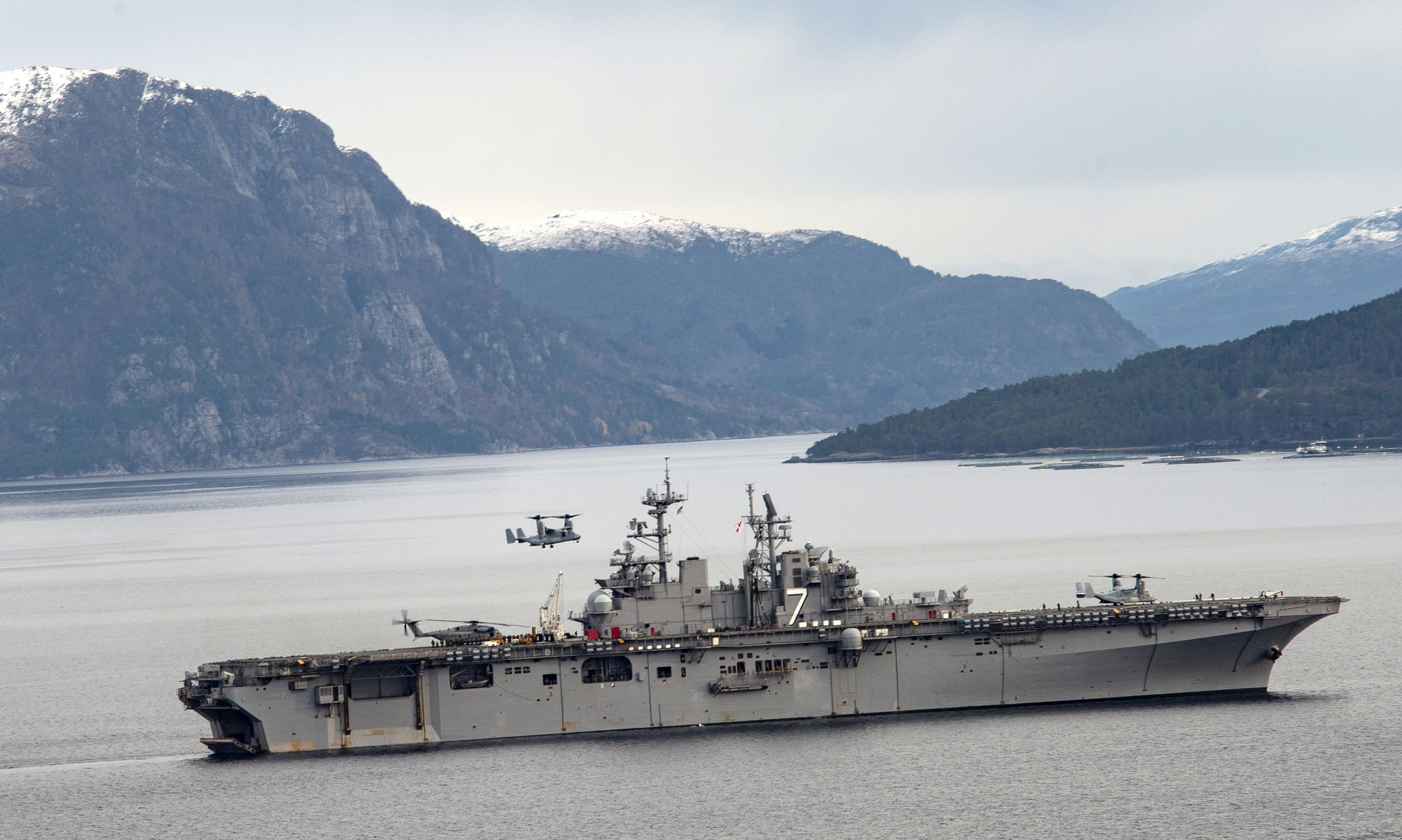
US cuts F-15E/F-16s to 100, tankers to zero for NATO Force Model
US is executing measurable cuts to committed NATO air and naval assets, exposing reliance gaps that European spending increases have not yet closed. The move reflects documented re-prioritization toward the Indo-Pacific rather than alliance withdrawal.
The reductions target the NATO Force Model's high-readiness air and maritime components. Contract and posture documents show the assets are being reallocated to INDOPACOM priorities rather than withdrawn from service. European Command's "rightsize" phrasing masks the specific removal of long-range strike and ISR capacity that NATO planners had counted on for Baltic and High North scenarios. Procurement records and prior EUCOM submissions confirm the original commitments; the shift aligns with repeated administration demands for European allies to reach 3.5% GDP defense spending. No independent technical verification of European replacement capability exists at scale, creating a measurable gap in integrated air operations through 2027. This is not a budget story but a deliberate reallocation of finite high-demand assets. Similar patterns appear in carrier and submarine tasking, indicating a structural pivot rather than rotational adjustment. NATO's public statements on burden-sharing do not address the resulting shortfall in tanker and reconnaissance coverage.
SENTINEL: By Q3 2027 European NATO members will have filled fewer than 40% of the removed tanker and maritime patrol hours with national assets, measured against current NATO planning targets.
Sources (3)
- [1]New York Times report on NATO asset cuts(https://www.nytimes.com/2026/06/12/us/politics/us-nato-cuts-europe.html)
- [2]Reuters May reporting on scaled-back NATO commitments(https://www.reuters.com/world/europe/us-plans-scale-back-nato-capabilities-crisis-2025-05)
- [3]EUCOM statement on rightsizing NATO contributions(https://www.eucom.mil/statement/rightsizing-nato-force-model)