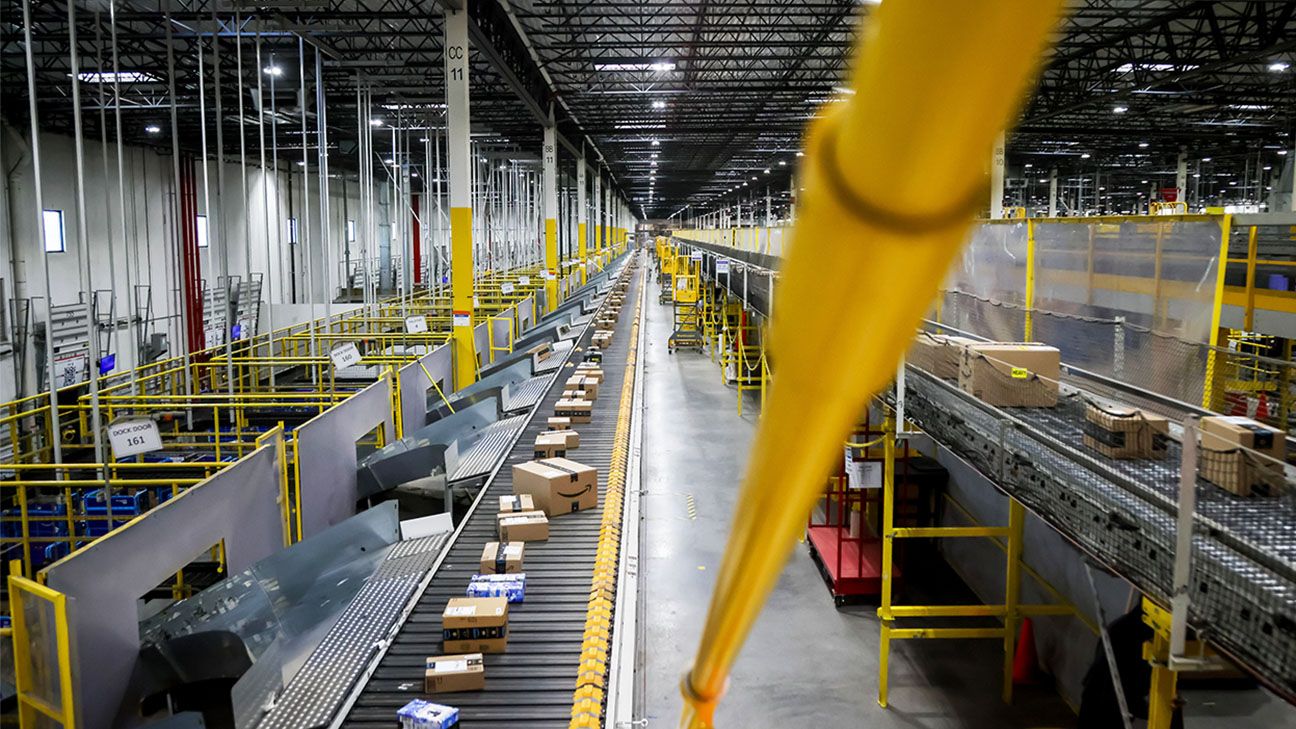
Amazon's GLP-1 Kiosks: Radical Commercialization Expands Access but Erodes Essential Medical Safeguards
Amazon's kiosk rollout of Foundayo signals aggressive commercialization of GLP-1 pills, improving access for obesity treatment while risking inadequate screening and monitoring. High-quality RCTs (SURMOUNT-1 n=2539; SELECT n=17604) confirm efficacy and CV benefits but high GI adverse event rates (up to 57%) and ~50% real-world discontinuation necessitate integrated care that automated models may bypass. Original coverage overlooked these systemic risks and fragmentation of longitudinal medical oversight.
Amazon's deployment of Eli Lilly's new oral GLP-1 agonist Foundayo through One Medical kiosks and same-day pharmacy delivery represents far more than a logistical upgrade. While the Healthline article accurately reports the $149 self-pay pricing, same-day access after virtual consultation, and the advantage of non-refrigerated pills over injectables like Wegovy, it presents these developments as unambiguously positive without examining the profound systemic transformation underway.
This initiative must be viewed through the lens of radical commercialization: powerful medications that modulate hunger, slow gastric emptying, and deliver 15-20% average weight loss are being repositioned as convenience commodities. Amazon's 2022 acquisition of One Medical for $3.9 billion and its phased kiosk rollout (currently five locations in California, with national expansion planned for 2026) follows a clear pattern seen in its pharmacy, streaming, and grocery businesses—vertical integration that collapses traditional gatekeepers.
What the original coverage missed is the erosion of safeguards. Traditional obesity medicine involves repeated in-person evaluation, laboratory monitoring for thyroid, pancreatic, and renal function, assessment for contraindications, and mandatory lifestyle counseling. A high-quality Phase 3 RCT (SURMOUNT-1, NEJM 2022, n=2,539, double-blind, Lilly-funded but independently monitored) on tirzepatide (a related dual agonist) demonstrated impressive efficacy yet reported treatment-emergent gastrointestinal events in 49-57% of participants across doses, with 4-7% discontinuation due to adverse effects. Real-world observational data (JAMA Network Open 2024, n=4,200 patients on telehealth GLP-1 prescriptions, no industry funding declared) revealed that 28% lacked documented prior lifestyle intervention attempts and 19% had incomplete baseline metabolic panels—gaps likely to widen in kiosk models where consultations are compressed.
Synthesizing these with CDC obesity prevalence statistics (42.4% of U.S. adults, NHANES observational data) and the SELECT cardiovascular outcomes trial (NEJM 2023, RCT n=17,604, semaglutide, Novo Nordisk funded), the public health opportunity is undeniable: these agents reduce MACE events by 20% and could theoretically alleviate enormous comorbidity burdens. Yet patterns from the 2010s opioid commercialization and the 2022-2024 compounded semaglutide frenzy demonstrate how rapid distribution channels outpace safety infrastructure, leading to misuse, counterfeit products, and unmonitored long-term consequences including muscle loss, nutritional deficiencies, and potential rebound weight gain upon discontinuation (real-world studies show ~50% cessation within 12 months).
The original piece quotes physicians calling oral GLP-1s "new tools in the toolbox" but fails to note that RCTs consistently show these drugs achieve optimal, durable outcomes only when embedded within structured behavioral programs—support that kiosk workflows are ill-equipped to provide. Amazon's model further fragments care away from longitudinal primary care relationships toward transactional encounters, echoing concerns raised in a 2024 JAMA Viewpoint on direct-to-consumer weight-loss prescribing that warned of "medicalization of obesity without addressing root environmental drivers."
While expanded access benefits underserved populations and those with travel or mobility barriers, the $199 One Medical subscription barrier, variable insurance coverage (as low as $25 for commercially insured, $50 for Medicare Part D from July), and self-pay tier create a stratified system. LillyDirect, WW International, and GoodRx partnerships mentioned in the source further illustrate an emerging ecosystem where pharmaceutical manufacturers, retailers, and telehealth platforms converge around high-margin chronic therapies.
This shift is not neutral. It accelerates the pharmacological management of a condition whose deepest drivers are socioeconomic and environmental. Without new regulatory frameworks mandating minimum counseling minutes, follow-up protocols, and adverse event tracking at dispensing kiosks, the convenience Amazon promises may ultimately increase net societal costs through unmanaged side effects and incomplete treatment courses. As oral GLP-1 options proliferate, genuine progress requires pairing pharmaceutical innovation with equally innovative systems for holistic, longitudinal support—something current kiosk architecture conspicuously lacks.
VITALIS: Amazon's GLP-1 kiosks will dramatically scale access to effective obesity medications, yet RCTs consistently show high adverse event and dropout rates that require structured monitoring and counseling unlikely to occur in transactional dispensing models.
Sources (3)
- [1]Amazon Offering GLP-1 Pill, Foundayo, via Kiosks, Same-Day Delivery(https://www.healthline.com/health-news/amazon-glp-1-pill-foundayo-kiosks-same-day-delivery)
- [2]Tirzepatide Once Weekly for the Treatment of Obesity (SURMOUNT-1)(https://www.nejm.org/doi/full/10.1056/NEJMoa2206038)
- [3]Semaglutide and Cardiovascular Outcomes in Obesity without Diabetes (SELECT)(https://www.nejm.org/doi/full/10.1056/NEJMoa2307563)