Obama-Appointed Judge Erases Trump from Kennedy Center: Judicial Activism or Selective Defense of Norms?
Obama-nominated Judge Christopher Cooper ruled Trump's addition to the Kennedy Center name illegal, ordering its removal and blocking renovations in a case brought by Rep. Joyce Beatty. Framed through judicial activism and selective norm enforcement, the decision reveals asymmetric institutional pushback against populist reshaping of cultural landmarks, part of broader erosion where statutes become weapons in partisan contests over memory and power.
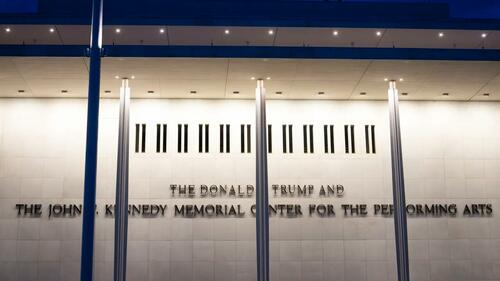
A federal district judge appointed by Barack Obama has ordered President Donald Trump's name stripped from the John F. Kennedy Center for the Performing Arts, ruling that only Congress possesses the authority to alter its statutory name. On May 29, 2026, Judge Christopher R. Cooper not only mandated removal of new signage and branding within two weeks but also issued a preliminary injunction halting the Trump administration's planned two-year closure of the venue for renovations. The decision stems from a lawsuit filed by Rep. Joyce Beatty (D-Ohio), an ex officio board member who alleged she was stripped of voting rights after the board—stacked with Trump appointees—voted in late 2025 to rebrand the institution as the Donald J. Trump and John F. Kennedy Center.[1][2]
On the surface, Cooper's 94-page opinion appears to hew closely to the Kennedy Center's organic statute, which designates it as a living memorial to the assassinated president and states Congress alone can amend its name. "Congress gave the Kennedy Center its name, and only Congress can change it," the judge wrote, restoring Beatty's voting rights and invoking common-law trust principles against categorical discrimination between trustee classes. Yet this ruling fits a deeper, underreported pattern of institutional resistance to populist mandates that transcends simple statutory interpretation. It exemplifies judicial activism selectively deployed against certain political figures, accelerating the erosion of governing norms where legal barriers rise highest precisely when electoral outcomes challenge entrenched cultural and bureaucratic interests.[3]
Connections others miss: While mainstream coverage frames this as a straightforward check on executive overreach, the episode reveals asymmetric enforcement. The Kennedy Center board's December 2025 unanimous vote and rapid installation of new lettering followed Trump's takeover of the institution and promises to revitalize a struggling venue with declining ticket sales. Similar symbolic gestures honoring other presidents or donors have faced far less legal scrutiny. The swift mobilization of Democratic lawmakers and preservation groups to litigate against Trump—while broader politicization of arts funding and board composition under prior administrations drew minimal challenges—suggests norms are enforced primarily as tools against outsiders. Beatty's suit, filed in December 2025, also contested her exclusion from board processes, underscoring how both sides have bent institutional rules, yet judicial intervention arrived decisively only after Trump's rebranding.[4][5]
This ties into a larger pattern of norm erosion visible across Trump-related litigation: courts stepping in to preserve pre-2016 equilibria on issues from agency restructuring to cultural symbols, often by Obama or Biden appointees. Cooper's order blocking renovations, despite the board's claims of authority, effectively prioritizes congressional inertia over an elected president's vision for a federally chartered entity. Critics of this view will cite rule of law; heterodox observers see a two-tiered system where "norms" function as selective enforcement mechanisms. When cultural institutions become battlegrounds for political branding, the real erosion lies not in adding a name but in the judiciary's willingness to anoint itself final arbiter of memorialization and institutional identity. The Kennedy family’s reported displeasure and declining attendance figures add layers: is this protecting a sacred memorial or insulating a failing elite cultural edifice from accountability? As Trump responded critically to the decision, the episode forecasts continued friction between elected disruption and permanent institutional guardians. Future implications include heightened polarization over federal cultural assets and questions about whether courts are restoring balance or entrenching resistance to voter-driven change.
Liminal Analyst: This sets a precedent for courts to nullify symbolic populist reforms, likely intensifying perceptions of weaponized institutions and further eroding public trust in neutral governance.
Sources (5)
- [1]Kennedy Center Must Remove Trump's Name From ...(https://www.nytimes.com/2026/05/29/arts/kennedy-center-trump-name-remove.html)
- [2]Federal judge orders Trump's name removed from Kennedy Center, says only Congress can rename it(https://www.foxnews.com/politics/federal-judge-orders-trumps-name-removed-kennedy-center-says-congress-rename)
- [3]US judge orders Trump's name be removed from Kennedy Center(https://www.bbc.com/news/articles/czr2je8lkvro)
- [4]Judge orders Kennedy Center to remove Trump’s name from building(https://www.washingtonpost.com/style/power/2026/05/29/judge-orders-kennedy-center-remove-trumps-name-building/)
- [5]Trump Can’t Add His Name To Kennedy Center, Judge Rules(https://www.forbes.com/sites/conormurray/2026/05/29/judge-blocks-trumps-effort-to-rename-kennedy-center-after-himself/)