Local Bipartisan Pushback Mounts Against AI Data Centers Over Power, Water, and Land Use
Corroborated reports confirm bipartisan local and state-level moratoriums on AI data centers in Florida, Pennsylvania, New York, and Michigan, driven by verifiable concerns over utilities, environment, and land use amid rapid tech expansion.
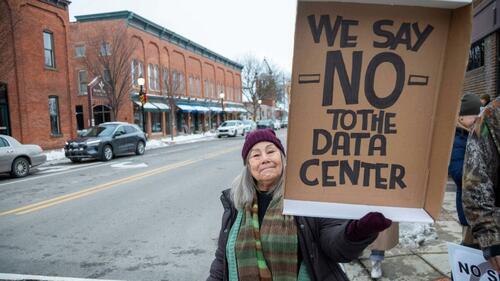
Across multiple states, county and borough governments are enacting temporary moratoriums on new hyperscale data centers amid rising resident concerns over electricity demand, water consumption, land use, and infrastructure strain—concerns that span party lines and echo broader national tensions between rapid AI infrastructure growth and community priorities.
In Florida, DeSoto County commissioners unanimously directed staff to draft a one-year moratorium after nearly three hours of public comment, with no residents speaking in support of pending projects. A major gas-powered hyperscale proposal by DCIP Group, spanning over 800 acres, has drawn scrutiny over uncertain water usage (estimates ranging from zero to 3 million gallons daily) and fast-tracked approvals under an economic development pilot. Neighboring Lake County, with no existing or pending projects, also moved unanimously to advance a preemptive one-year moratorium, citing risks to utilities and local character; a final vote is scheduled for July 14. Other Florida counties including Nassau, Pasco, and Jackson have imposed similar pauses, with officials referencing Florida SB 180's constraints on local zoning changes as a factor in pursuing moratoriums as workarounds until its 2027 sunset.
Pennsylvania's Brookville Borough in Jefferson County unanimously approved an 180-day moratorium to allow time for developing specific regulations, reflecting statewide resident worries about water, pollution, and energy prices. In New York, the state legislature passed the Responsible Data Center Development Act in June 2026, imposing the nation's first statewide one-year moratorium on permits for large data centers (20 MW+ peak demand) to enable comprehensive environmental reviews—passing with strong bipartisan support (Senate 44-16, Assembly 102-39).
Michigan's Saline Township saw intense local opposition to the $16 billion Stargate project (backed by OpenAI and Oracle), with initial board rejection overridden via legal settlement, highlighting limits of local leverage once state and developer actions proceed. These actions connect to wider energy strains: data centers' massive power needs intersect with grid reliability, ratepayer protections, and land conversion from agriculture or rural uses, prompting scrutiny even in areas without immediate projects.
Documented patterns show consistent themes of water/electricity impacts and procedural transparency, with moratoriums serving as temporary tools for study rather than outright bans in many cases. Sources confirm traction at both local and state levels, tying into national AI buildout pressures.
LIMINAL: Local moratoriums will likely proliferate in 2026-2027 as utilities and land-use conflicts intensify, forcing developers toward negotiated mitigations or relocation while states pursue broader regulatory frameworks.
Sources (6)
- [1]Lake County Commission plans temporary ban on data centers(https://www.cfpublic.org/text/2026-06-25/lake-county-commission-plans-temporary-ban-on-data-centers)
- [2]As data-center development accelerates across Florida, Lake County says 'pause'(https://www.wesh.com/article/lake-county-florida-data-center-moratorium/71681894)
- [3]NY Passes First Data Center Moratorium(https://www.harrisbeachmurtha.com/insights/new-york-state-legislature-passes-first-in-the-nation-data-center-moratorium/)
- [4]Jefferson County borough passes 180-day moratorium on data center development(https://www.alleghenyfront.org/brookville-borough-jefferson-county-180-day-moratorium-data-center-development/)
- [5]Michigan data center roundup: Saline's $40B price tag, Google's tax breaks, and growing community resistance(https://planetdetroit.org/2026/06/michigan-data-center-news-altman-saline/)
- [6]Data Centers: What Does the Public Think?(https://www.transformgov.org/blog/data-centers-what-does-the-public-think)