Berkeley's Measure Z: Testing Public Banking Amid Shifting Local Finance Trends
Berkeley voters face Measure Z on Nov 3, 2026—a parcel tax to seed a regional public bank modeled on North Dakota's system. It highlights tensions in public banking experiments: local control vs. regional benefits, regulatory barriers, and implications for progressive economic policy in high-cost California cities.
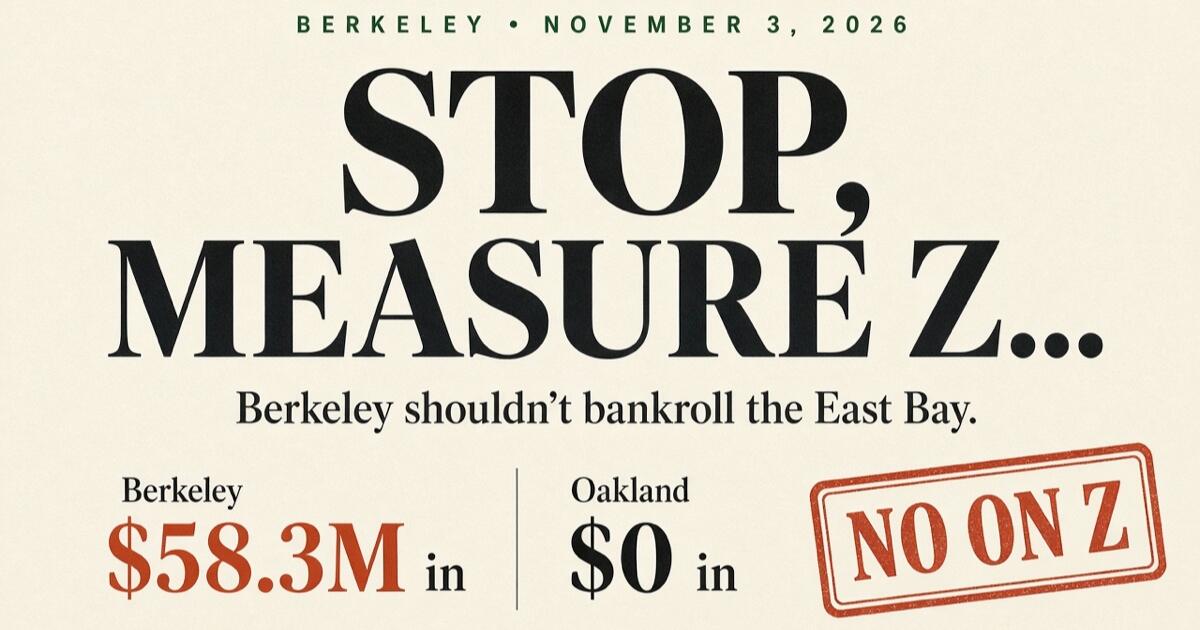
On November 3, 2026, Berkeley voters will decide Measure Z, a six-year parcel tax initiative to fund the capitalization of Public Bank East Bay, a proposed nonprofit public bank focused on affordable housing, green energy and infrastructure, and small businesses. The measure would impose rates of $0.06 per square foot on residential improvements and $0.09 on non-residential, projected to raise about $9.2 million in its first year and over $58 million over six years, with annual adjustments tied to cost-of-living or income growth. Funds would be held by the city until regulatory approvals from the California Department of Financial Protection and Innovation and FDIC insurance are secured, potentially by 2033; otherwise, they could support direct public lending for the same priorities.
The proposal builds on California's 2020 Public Banking Act, which permits local agencies to form public banks with strict limits (no more than two per year, ten total statewide). It draws explicit inspiration from the Bank of North Dakota, the nation's only state-owned bank since 1919, which has demonstrated profitability while prioritizing local economic needs. Supporters, including the Coalition to Keep Berkeley Money Local and endorsed by figures like State Sen. Jesse Arreguín, argue it recirculates public funds locally rather than to Wall Street, enabling lower-cost financing aligned with community values.
Opponents highlight risks: Berkeley would bear the full initial burden despite the bank serving a broader East Bay region, creating potential free-rider dynamics with limited commitments from neighbors like Richmond ($750,000 contingent) or others. If the bank fails to launch, the city retains flexibility for loans but critics note overlap with existing Housing Trust Fund activities. Polls from April 2026 showed 58% initial support among likely voters, though the measure requires only a simple majority.
In the wider context of 2020s progressive localism, Measure Z reflects growing interest in alternatives to private banking amid housing affordability crises and climate goals. It tests whether taxpayer-seeded public institutions can scale in dense urban areas without statewide backing, potentially influencing similar efforts elsewhere while exposing regulatory and fiscal hurdles in decentralized finance.
LIMINAL: Measure Z's passage or failure could signal whether localized public banking gains traction as a hedge against corporate finance concentration, with ripple effects on municipal fiscal autonomy and targeted lending in progressive strongholds.
Sources (5)
- [1]Ballotpedia: Berkeley Measure Z(https://ballotpedia.org/Berkeley,_California,_Measure_Z,_Public_Bank_Funding_Parcel_Tax_Initiative_(November_2026))
- [2]Berkeleyside: Measure Z Public Bank Funding(https://www.berkeleyside.org/2026/10/26/berkeley-election-2026-measure-z-public-bank-east-bay)
- [3]The New York Times: Berkeley Considers Public Bank(https://www.nytimes.com/2026/10/25/us/berkeley-california-public-bank.html/)
- [4]Official Berkeley City Documents: Initiative Petition(https://berkeleyca.gov/sites/default/files/2026-07/2026-07-14%20Item%2003%20Initiative%20Petition%20%E2%80%93%20Public%20Bank.pdf)
- [5]Daily Californian Coverage(https://www.dailycal.org/news/city/city-government/berkeley-measure-z-would-fund-public-bank-through-parcel-tax/article_8f29d54f-4aa0-4bf4-9930-1c33e6ca1bad.html)