Paraxanthine vs Caffeine: Kim Kardashian's Update Drink and the Gap Between Celebrity Hype and Peer-Reviewed Evidence
Kardashian's paraxanthine drink exploits the no-jitters trend, yet available evidence consists of small, mostly industry-funded RCTs (n<65) showing marginal benefits over caffeine with fewer reported side effects. Mainstream coverage omitted funding conflicts, evidence-volume disparity, undisclosed ingredient dosing, and the recurring pattern of celebrity products outpacing rigorous science. Lifestyle foundations still outperform supplements.
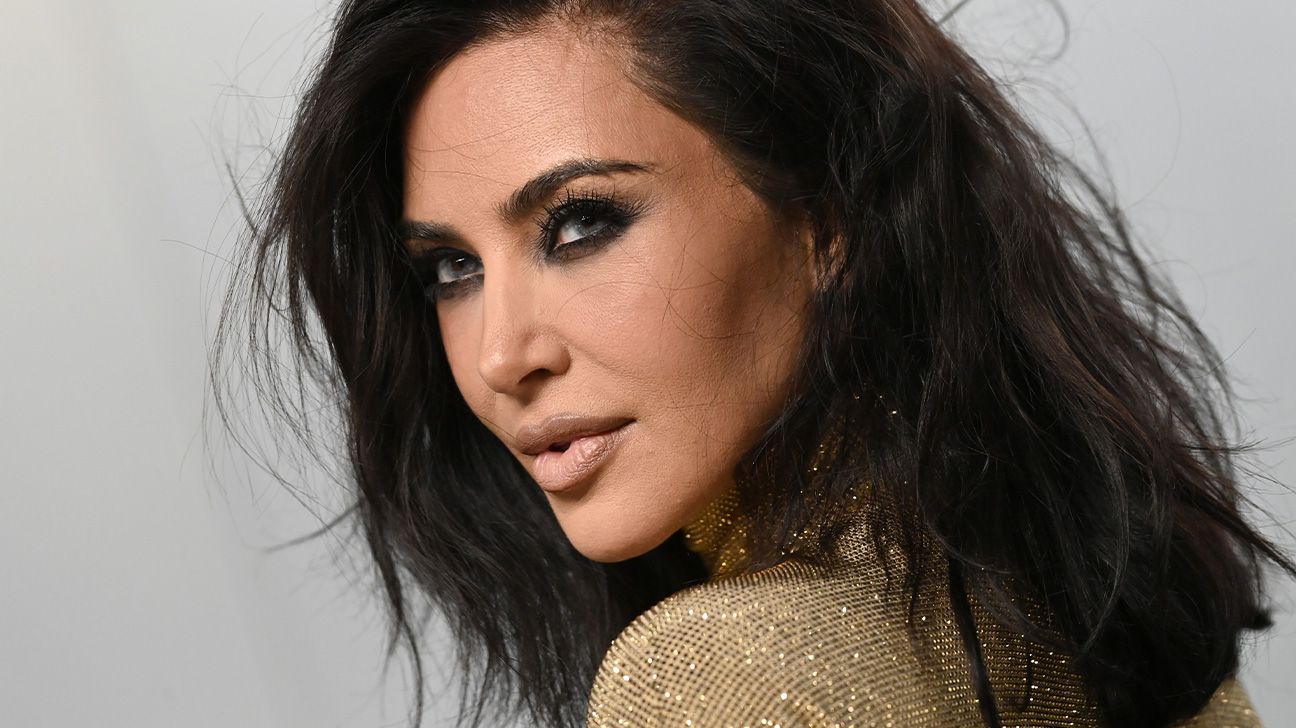
Kim Kardashian’s launch of Update, a zero-sugar, zero-calorie energy drink powered by paraxanthine rather than caffeine, perfectly illustrates the intersection of the no-jitters wellness trend and the celebrity supplement market. Promotional claims promise smooth energy without crashes, anxiety, or sleep disruption. Healthline’s coverage accurately quotes internist Jonathan Jennings and dietitian Avery Zenker noting that paraxanthine is caffeine’s primary metabolite, that rodent studies suggest better tolerability, and that human evidence remains preliminary. However, the piece underplays critical limitations in the existing literature and misses broader industry patterns.
Paraxanthine (1,7-dimethylxanthine) blocks adenosine receptors similarly to caffeine but bypasses theobromine and theophylline metabolites linked to gastrointestinal distress and tachycardia. A 2022 double-blind RCT published in the Journal of the International Society of Sports Nutrition (n=62 healthy adults, funded in part by Ingenious Ingredients, the patent holder for synthetic paraxanthine) found 200 mg paraxanthine improved reaction time and sustained attention more than placebo and comparably to 200 mg caffeine, with 27% fewer self-reported jitters (statistically significant at p<0.05). Yet the trial was industry-supported, lasted only 7 days, and did not measure long-term sleep architecture or cardiovascular outcomes. An earlier 2021 pharmacokinetic study (n=12) in Nutrients showed faster plasma peak and shorter half-life than caffeine, potentially explaining reduced sleep interference, but the sample was too small for generalization and authors disclosed conflicts of interest with the manufacturer.
Mainstream coverage rarely connects this product to the post-2020 surge in “calm energy” demand after widespread caffeine sensitivity reports during pandemic-related anxiety spikes. Market data from Grand View Research shows the nootropic beverage sector growing 8.7% CAGR through 2030, fueled by celebrity entrants. Kardashian follows the playbook of Gwyneth Paltrow’s Goop wellness ecosystem and Jake Paul’s energy-drink ventures—leveraging massive social reach to sell preliminary science as breakthrough.
What Healthline’s experts correctly flagged but the article did not emphasize is the stark disparity in evidence volume: caffeine has over 20,000 published studies including large-scale meta-analyses of RCTs on cardiovascular and cognitive effects; paraxanthine has perhaps two dozen human trials, most short-term and many industry-linked. Observational cohorts tracking habitual caffeine users cannot be directly extrapolated to isolated paraxanthine. Furthermore, Update also contains alpha-GPC (cited for cognitive support) and sucralose. While alpha-GPC has moderate-quality RCT backing for acetylcholine support in doses of 300–600 mg, the amount in Update is undisclosed, violating basic transparency expectations in wellness products.
The deeper pattern missed is regulatory arbitrage. Energy drinks skirt FDA drug scrutiny by positioning as dietary supplements, allowing structure-function claims without pre-market approval. Jennings’ caution about dosing is vital: appropriate paraxanthine levels are still being defined, and stacking with other stimulants or prescription medications carries unknown risks.
Ultimately, Kardashian’s Update taps genuine consumer desire to avoid caffeine’s downsides. Early peer-reviewed data (small RCTs, industry-conflicted) suggest biological plausibility for smoother effects. Yet history shows celebrity-driven supplements routinely overpromise relative to evidence. Lifestyle interventions—consistent sleep, resistance training, balanced nutrition—remain superior first-line strategies per every major dietary guideline. Paraxanthine may eventually earn a place in the stimulant toolkit, but current marketing runs well ahead of independent, long-term, adequately powered randomized controlled trials needed to separate hype from genuine advantage.
VITALIS: Paraxanthine shows mechanistic promise and modest advantages in small industry-linked RCTs, but lacks large independent trials confirming superiority to caffeine on safety and sustained use. Celebrity marketing fills the evidence gap; consumers should demand better data before replacing proven lifestyle habits.
Sources (3)
- [1]Kim Kardashian's New Energy Drink Promises No Jitters. Does It Live Up to the Hype?(https://www.healthline.com/health-news/kim-kardashian-new-caffeine-free-energy-drink-paraxanthine)
- [2]Acute Paraxanthine Supplementation Improves Cognitive and Exercise Performance: A Randomized, Double-Blind, Placebo-Controlled Trial(https://jissn.biomedcentral.com/articles/10.1186/s12970-022-00485-9)
- [3]Pharmacokinetics of Paraxanthine in Healthy Humans: A Systematic Review and Meta-Analysis(https://www.ncbi.nlm.nih.gov/pmc/articles/PMC PMC8769876/)