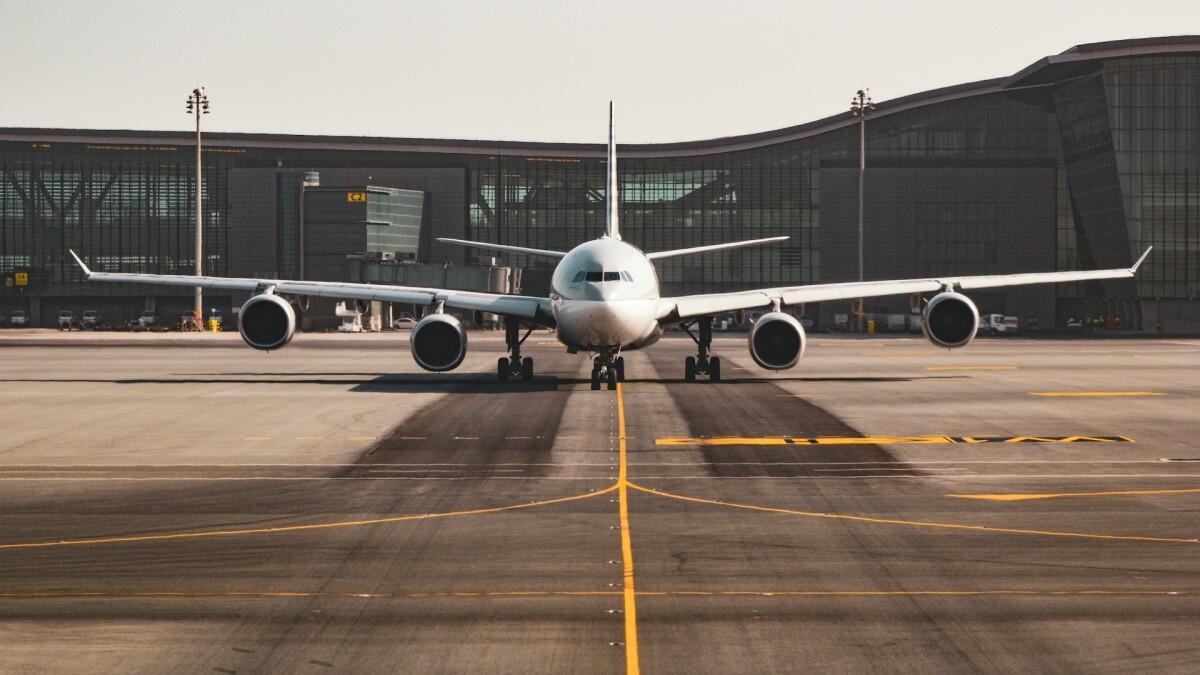
Jet fuel near $150 a barrel as airline hedges expire and executives warn of losses and higher fares
Jet fuel remains far above pre-war levels as older hedges expire. Airline executives say that leaves carriers choosing between locking in high prices or staying exposed, and they are already warning of losses and higher fares.
Documented: U.S. Gulf Coast jet fuel has been trading around $4 a gallon in early November 2026, which converts to roughly $170 a barrel, after peaks above $4.50 a gallon in late October. That is well above levels of about $2.30 a gallon a year earlier. Brent crude was near $93 a barrel in mid-November, so the jump is not only crude—it is also a wide refining margin. Reuters has reported jet fuel roughly double pre-conflict levels during the Iran war, with European and Asian hedges that were put on earlier now rolling off and carriers reluctant to lock in today’s prices. U.S. majors largely stopped financial fuel hedging years ago; Southwest ended its program in 2025. United, Delta, American, and peers have reported large year-over-year fuel-bill increases in 2026 filings. United CEO Scott Kirby said at a Yahoo Finance event that fuel is “most likely” to stay high and that six of ten U.S. airlines are going to lose money this year. Ryanair’s Michael O’Leary has said European carriers are not well hedged through summer 2027 and that fares may need to rise 15% to 20%. Air Astana’s chief executive told Reuters the industry may be facing a “new normal” at roughly current fuel levels. OilPrice, citing The Telegraph, has put an extra roughly $12 billion on European carriers’ collective fuel bill so far from the disruption. Claimed, not independently verified here: that six of ten U.S. airlines will in fact finish the year in the red, and that winter demand plus higher tickets will force further failures. Speculated: that holiday fares will double. What is on the record is narrower—fuel is a large share of airline costs, many hedges are expiring or were never in place, and executives are already warning that fares have to rise if prices stay elevated. Some carriers have already had to reverse some post-war fare hikes when passengers would not pay them.
Fuel is one of airlines’ largest costs, and executives at United and Ryanair have already said sustained high prices mean losses for weaker carriers and fare increases of the kind passengers pay at checkout. U.S. carriers that no longer hedge feel that move immediately rather than after old contracts expire.
Sources (6)
- [1]As Iran war drags on, airlines pull back on fuel hedges and warn on fares(https://www.reuters.com/business/energy/iran-war-drags-airlines-pull-back-fuel-hedges-warn-fares-2026-10-28/)
- [2]US airlines no longer hedge fuel costs. That could hurt margins if Iran conflict lingers(https://www.reuters.com/business/energy/us-airlines-no-longer-hedge-fuel-costs-that-could-hurt-margins-if-iran-conflict-2026-03-06/)
- [3]Soaring fuel prices will lead to a reckoning for airlines: United Airlines CEO Scott Kirby(https://finance.yahoo.com/markets/article/soaring-fuel-prices-will-lead-to-a-reckoning-for-airlines-united-airlines-ceo-scott-kirby-222614063.html)
- [4]Airlines Face Fuel Crisis as Price Hedges Expire(https://oilprice.com/Energy/Energy-General/Airlines-Face-Fuel-Crisis-as-Price-Hedges-Expire.html)
- [5]EIA Today in Energy Daily Prices(https://www.eia.gov/todayinenergy/prices.php)
- [6]Jet Fuel’s War Surge Vindicates Airlines That Hedged(https://www.energyconnects.com/news/oil/2026/may/jet-fuel-s-war-surge-vindicates-airlines-that-hedged/)