Copper's Record Highs Signal Physical Economy Repricing Scarcity Amid Tariffs and Structural Supply-Demand Mismatch
Copper's September 2026 all-time highs on the LME reflect tariff-driven inventory shifts, mine supply shortfalls, and enduring demand from AI and electrification, illustrating a physical economy confronting scarcity beyond mere financial speculation.
Copper futures on the London Metal Exchange (LME) reached fresh all-time highs in early September 2026, with three-month contracts surpassing previous peaks around $14,500–$14,700 per ton. This rally, up approximately 17% year-to-date and 47% over the past year, stems from a convergence of short-term market distortions and deeper structural pressures on the physical supply chain.
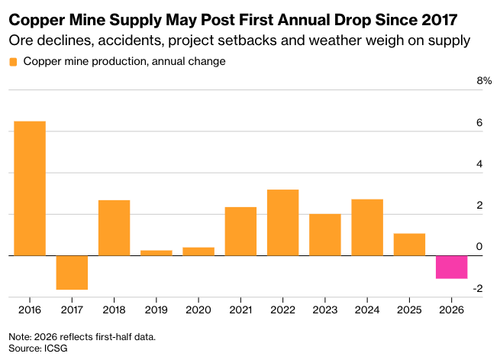
Expectations of U.S. tariffs on refined copper imports have accelerated flows of metal into American warehouses, draining inventories elsewhere and creating localized tightness despite global stockpiles appearing adequate on paper. Bloomberg reports highlight how this front-running, combined with steep backwardation in futures curves, has squeezed availability for non-U.S. buyers. Supply-side woes compound the issue: Chile, the world's top producer, reported its weakest Q2 output in nearly two decades and lowered full-year forecasts amid weather disruptions and operational challenges.
Veteran strategist Jeffrey Currie has framed the move as the "physical economy repricing scarcity in the real world," noting that metal locked in the wrong locations equates to effective shortages for critical uses. Long-term demand drivers—AI data center construction, power grid expansions, renewable energy infrastructure, and industrial electrification—add sustained upward pressure, as mine supply struggles to respond quickly due to underinvestment, declining ore grades, and lengthy project timelines.
Analysts at firms like Goldman Sachs and Deutsche Bank note the rally's tactical elements but acknowledge the underlying mismatch. Regional deficits and inventory relocations underscore how policy (tariffs) and geography interact with fundamentals. While some observers flag potential overextension in momentum indicators, the broader repricing reflects real constraints on delivering copper where and when it is needed for the energy transition and digital infrastructure buildout.
This dynamic ties directly into broader economic signals: elevated prices for essential industrial metals can transmit through supply chains, amplifying inflation concerns and highlighting vulnerabilities in globalized commodity flows.
Jeffrey Currie: Copper's surge underscores ongoing scarcity repricing driven by underinvestment and policy shocks, with AI and grid demand likely extending elevated prices into structural deficits.
Sources (5)
- [1]Copper Ascends to New Heights on Tight Supply and Tariff Fears(https://www.bloomberg.com/news/articles/2026-09-08/copper-ascends-to-new-heights-on-tight-supply-and-tariff-fears)
- [2]Freeport-McMoRan shares surge as copper hits record $14,694/ton(https://finance.yahoo.com/markets/commodities/articles/freeport-mcmoran-shares-surge-copper-145933108.html)
- [3]Why is copper surging to record highs?(https://www.fxstreet.com/news/copper-hits-record-highs-amid-us-tariffs-and-supply-concerns-202609081116)
- [4]Copper's Red-Hot Rally Rolls On(https://www.wsj.com/livecoverage/stock-market-today-dow-sp-500-nasdaq-09-08-2026/card/copper-s-red-hot-rally-rolls-on-Ic2ZgTBANIP5GHszaWKT)
- [5]Copper hits all-time high amid tariff turmoil, mine struggles(https://www.moneycontrol.com/news/business/commodities/copper-hits-all-time-high-amid-tariff-turmoil-mine-struggles-14024744.html)