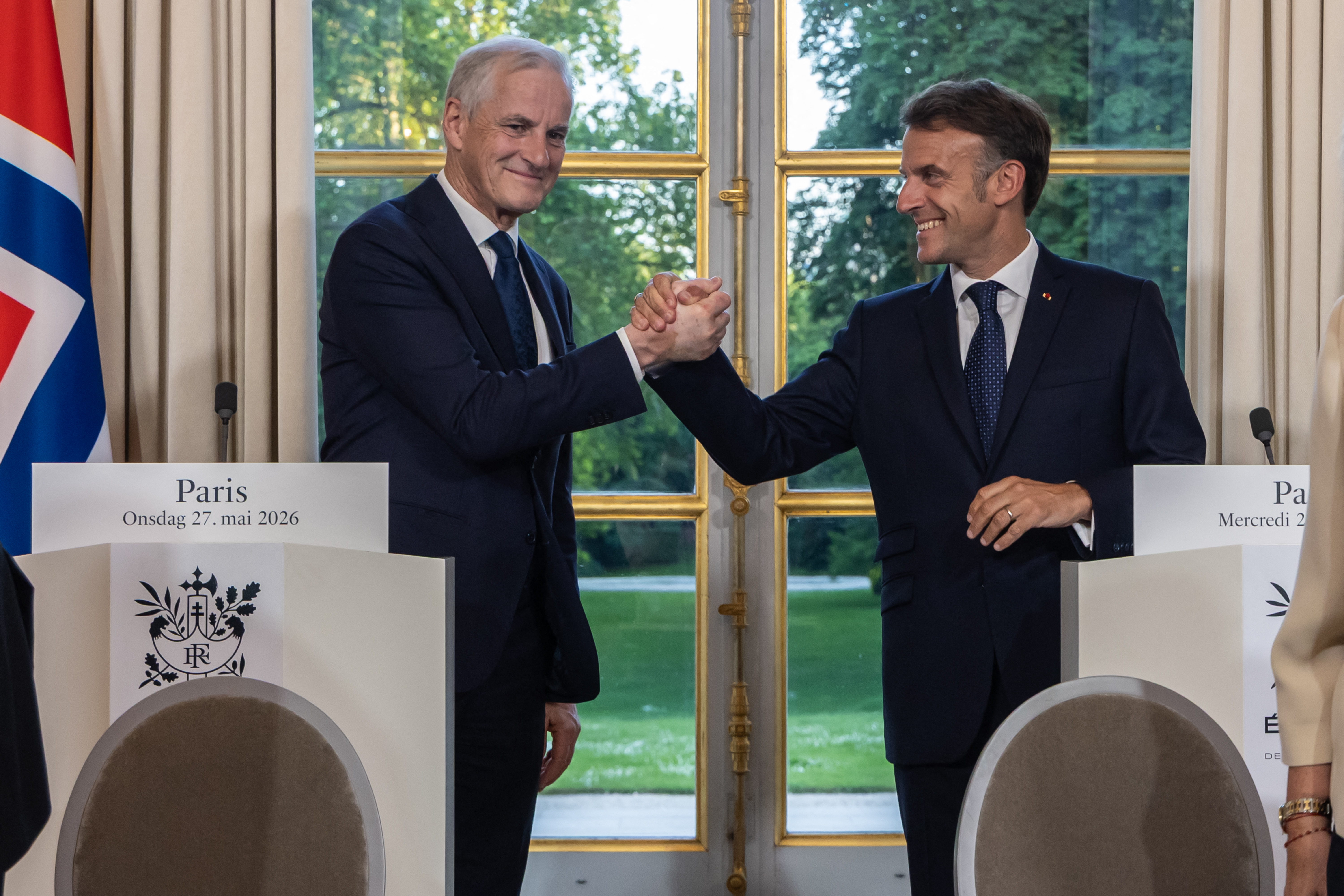
Europe's Silent Nuclear Realignment: Norway's French Pact Accelerates Transatlantic Fracture and Proliferation Risks
Norway's French nuclear deal exemplifies Europe's accelerating shift away from U.S. deterrence, revealing connected proliferation patterns and alliance erosion overlooked in initial reporting.
Norway's May 2026 accession as the ninth European state to France's forward deterrence framework marks more than tactical hedging against Russia—it signals a structural unraveling of U.S. extended deterrence credibility that few analyses connect to parallel patterns across the continent. While Defense News correctly notes the doctrinal ambiguity and Paris's retained launch authority, it underplays how this bypasses NATO's nuclear sharing architecture, where U.S. B61 bombs remain hosted in five states with allied delivery roles. French doctrine, reframed under Macron since the March 2026 submarine speech, now explicitly ties existential threats to non-nuclear European allies to potential French response, creating a de facto sphere-of-influence model absent U.S. consultation. This echoes but diverges from Cold War French independence, now amplified by post-2024 U.S. political volatility. Germany’s observer role in September exercises and planned facility visits, as detailed in Der Spiegel reporting, positions Berlin for potential Rafale support functions without direct warhead control—yet this quietly revives proliferation-adjacent debates suppressed since the 1990s. Poland’s forward-deployment discussions further illustrate the pattern: states once anchored in U.S. guarantees now diversify via bilateral French ties, risking a cascade where Sweden, Denmark, and the Netherlands follow. SIPRI’s 2025 nuclear forces data underscores the scale—France’s 290 warheads, though smaller than U.S./Russian stockpiles, enable rapid doctrinal expansion without treaty constraints binding NATO. Missed in coverage is the feedback loop: eroding trust fuels these deals, which in turn dilute collective NATO cohesion and invite Russian exploitation of alliance fissures. The result is accelerating European nuclear fragmentation, where strategic ambiguity serves Paris but leaves smaller states exposed in any U.S. disengagement scenario.
[SENTINEL]: Bilateral French nuclear pacts will multiply in 2027 as U.S. credibility dips further, producing a hybrid deterrence patchwork that heightens miscalculation risks without restoring unified alliance posture.
Sources (3)
- [1]Primary Source(https://www.defensenews.com/global/europe/2026/06/01/norway-becomes-ninth-country-to-sign-up-for-french-nuclear-deterrence-as-trust-in-us-falters/)
- [2]Related Source(https://www.spiegel.de/politik/deutschland/deutschland-und-frankreich-kooperieren-bei-nuklearer-abschreckung-a-abc123.html)
- [3]Related Source(https://www.sipri.org/sites/default/files/2025-06/yb25_summary_en.pdf)