Wolfe Research says Pokemon card prices fall double digits as Cartamundi announces $220 million expansion
Wolfe Research analysts warned that Pokemon and Magic trading-card resale prices are falling by double digits as supply expands, including a $220 million capacity program by printer Cartamundi. The Beanie Baby comparison matters because parents, collectors and resellers are already seeing weaker resale values as scarcity gives way to abundance.
Wolfe Research analysts led by Spencer Hanus said the trading-card market is facing an overproduction risk that echoes the late-1990s Beanie Baby bust. They pointed to softer resale prices in Pokemon and Magic: The Gathering, with prices for 2026 releases already down by double-digit percentages. The analysts said Pokemon's 30th Anniversary product faces a difficult resale cycle next year, while printers are adding capacity and new competitors are entering the category.
The evidence cited centers on supply. Wolfe said Cartamundi, described as the world's largest trading-card printer, has announced a $220 million capacity expansion program. Mattel is also entering the category, while Disney Lorcana has already gone through boom-and-bust cycles tied to overprinting. Wolfe said Pokemon's 2025 Scarlet & Violet sealed product is down about double digits as reprints hit the market, and resellers have reported a broader slowdown across major trading-card games.
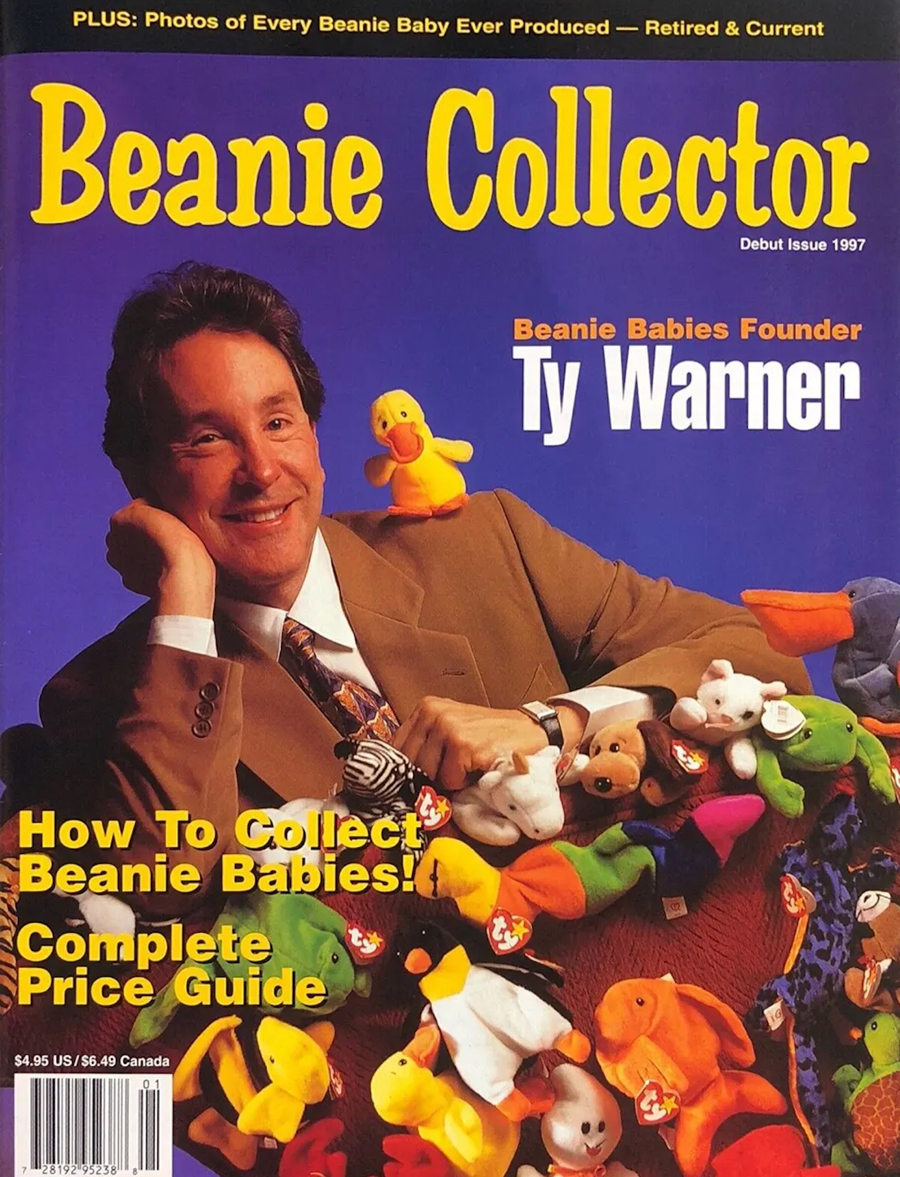
The Beanie Baby analogy is not merely nostalgic. In the late 1990s, speculative demand and limited supply pushed $5 plush toys into four-figure resale prices, before overproduction and the dot-com collapse crushed the market. Wolfe's warning rests on analyst commentary and reseller conversations, not company earnings, but they say trading cards benefit from multi-generational play, nostalgia and resale dynamics. The same incentive to print more product to chase demand can turn a collectible into an ordinary consumer good.
For parents, collectors and resellers, the data points to a shift from scarcity to abundance. Cards bought as gifts or investments have faced falling resale prices as supply rises and demand softens. The report also notes Grand Theft Auto VI is scheduled to launch on Nov. 19, a date the analysts linked to possible shifts in consumer attention and discretionary spending. The immediate impact is on buyers, sellers and retailers already exposed to falling secondary-market prices.
This affects parents, collectors and resellers because cards bought for play, nostalgia or resale are exposed to falling secondary-market prices as printers add supply and demand slows. It also touches household discretionary budgets, with Grand Theft Auto VI scheduled to launch on Nov. 19.
Sources (1)
- [1]Original source(https://www.zerohedge.com/personal-finance/did-we-learn-nothing-beanie-babies-pokemon-card-mania-meets-overproduction-fears)