Qatari LNG Tanker Struck in Strait of Hormuz Tests Fragile US-Iran Ceasefire
Corroborated reports from Reuters, Bloomberg, WSJ, and FT confirm the July 7, 2026, strike on the Qatari LNG tanker Al Rekayyat in the Strait of Hormuz, testing a US-Iran ceasefire and raising escalation risks for global energy flows.
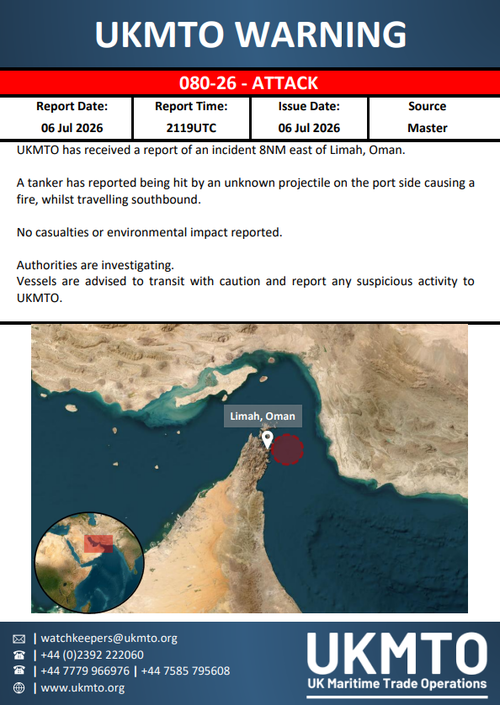
A Qatari LNG tanker, the Al Rekayyat owned by state shipping firm Nakilat, was struck by a projectile—described as either an Iranian missile or suicide drone—early on July 7, 2026, while exiting the Strait of Hormuz near the Omani coast about 8 nautical miles east of Limah. The vessel, fully loaded at Qatar’s Ras Laffan terminal, sustained damage to its port side near the engine room, triggering a fire; the crew issued a mayday call but reported no casualties or pollution.[1][2]
The incident occurred amid suspended US-Iran negotiations following the death of Supreme Leader Ali Khamenei, with talks set to resume after funeral ceremonies. It directly challenges a late-June US-Iran agreement aimed at halting attacks in the waterway as both sides pursued a broader peace framework. Iran’s Revolutionary Guard (IRGC) is reported to have fired at least two missiles at commercial vessels overnight, with a second merchant ship (possibly Saudi-flagged crude tanker) also damaged.[1][3]
Ship tracking showed the Al Rekayyat transiting with its transponder off, outside Iran-approved lanes. Another Qatari LNG carrier, Al Areesh, abruptly turned back before entering the strait. Traffic through the Hormuz chokepoint remains fragmented, with vessels using varied routes based on risk assessments; overall flows stay well below pre-conflict levels.[2]
Brent crude rose over 1% to around $72.76 per barrel as traders reassessed war-risk premiums. Analysts from UBS and Kpler noted that while some previously stranded ships are moving, normalization will likely take longer than expected due to lingering shipping confidence issues. The event underscores vulnerabilities in global LNG and oil supply chains, given that roughly 20% of global LNG and significant oil volumes transit the strait.[1]
This strike fits a pattern of escalation in the US-Iran conflict that began in late February 2026, including prior Iranian actions targeting Qatari energy infrastructure at Ras Laffan. It highlights risks to energy chokepoints amid broader regional tensions involving Iran, the US, and Israel, where maritime disruptions could amplify supply shocks beyond immediate market reactions.
[Market analysts]: Prolonged Hormuz caution could sustain elevated energy risk premiums and slow traffic recovery, with knock-on effects for LNG and crude availability in Europe and Asia.
Sources (4)
- [1]Qatari LNG tanker badly damaged after being hit in Strait of Hormuz, sources say(https://www.reuters.com/world/middle-east/iran-fires-missiles-commercial-ships-strait-hormuz-axios-reports-2026-07-07/)
- [2]Qatari LNG Ship Struck in Strait of Hormuz, Testing US Talks(https://www.bloomberg.com/news/articles/2026-07-07/iranian-missile-hits-qatari-lng-ship-in-strait-testing-us-talks)
- [3]Iran’s Revolutionary Guard Fires Missiles at Ships Near Hormuz(https://www.wsj.com/world/middle-east/irgc-fires-missiles-at-ships-in-strait-of-hormuz-c3fbadd0)
- [4]Qatari gas tanker hit in Strait of Hormuz(https://www.ft.com/content/0a1c6329-2be0-4d7a-b7ab-82f81511bde2)