Queue's Robotic Pharmacy Kiosks Emerge from Stealth with $18.6M, Threatening Traditional Dispensing Roles Amid Rising Pharmacy Closures
Queue's $18.6M-backed autonomous robotic pharmacy kiosks, now in early commercial deployment, automate dispensing without on-site staff, addressing shortages and closures while posing direct risks to pharmacy jobs and requiring navigation of state regulations.
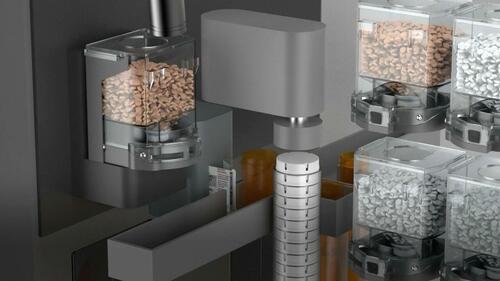
A Palo Alto startup called Queue has unveiled what it claims is the world's first fully autonomous robotic pharmacy system, taking sealed wholesale medication bottles as input and outputting filled, verified patient prescriptions with no on-site pharmacist required. The company emerged from stealth on June 30, 2026, announcing a $12.6 million seed round led by AlleyCorp (bringing total funding to $18.6 million after a prior $6 million pre-seed), with investors including Riot Ventures, House Capital, Ubiquity Ventures, Grep Ventures, and Banter Capital. The system currently handles 250-280 of the most common U.S. prescriptions using robotics, computer vision, and AI for storage, counting, dispensing, and verification.
Queue has already deployed a working commercial prototype with a major national pharmacy chain. The technology targets structural pressures in U.S. pharmacy: nearly one-third of pharmacies have closed since 2010, creating 'pharmacy deserts,' while technician vacancy rates remain high and pharmacist workloads grow amid declining reimbursements. One analysis notes the system could operate at up to 96% lower cost than traditional setups, potentially enabling smaller automated outposts in retail, healthcare, or underserved locations where full pharmacies are no longer viable.
Deeper connections emerge around labor market shifts. Automation of core fulfillment tasks directly competes with pharmacy technician and some pharmacist roles in high-volume dispensing, accelerating trends already visible in pharmacy consolidations. However, regulatory barriers persist: most states require licensed pharmacist oversight for final verification, with only limited frameworks in places like California, Arizona, Florida, and Texas for remote or kiosk models. Queue has not publicly detailed its licensing strategy or state approvals.
This development moves beyond incremental automation tools toward a potential new infrastructure layer for prescription access, coinciding with broader healthcare robotics adoption and funding interest in cost-reduction technologies.
[LIMINAL]: Queue's model could enable rapid kiosk proliferation in pharmacy deserts within 12-24 months where regulations allow, displacing routine dispensing labor while shifting pharmacist roles toward oversight and clinical services, though full national scaling faces fragmented state barriers.
Sources (5)
- [1]Queue Raises $12.6 Million to Launch the World's First Fully Autonomous Robotic Pharmacy(https://www.businesswire.com/news/home/20260630454561/en/Queue-Raises-%2412.6-Million-to-Launch-the-Worlds-First-Fully-Autonomous-Robotic-Pharmacy)
- [2]Startup Queue lands $12.6M to launch autonomous robotic pharmacy kiosks(https://www.fiercehealthcare.com/health-tech/startup-queue-lands-126m-launch-autonomous-robotic-pharmacy-kiosks)
- [3]World's first fully robotic pharmacy automates prescription dispensing(https://interestingengineering.com/ai-robotics/worlds-first-fully-robotic-pharmacy)
- [4]Queue raises $12.6M to expand robotic pharmacy kiosks(https://www.kioskmarketplace.com/news/queue-raises-126m-to-expand-robotic-pharmacy-kiosks/)
- [5]Queue raises funding to build fully autonomous pharmacy(https://www.therobotreport.com/queue-raises-funding-fully-autonomous-pharmacy/)