TikTok Vigilantism Targets Juror Family in Lindsay Clancy Mistrial: A Case Study in Social Media's Erosion of Legal Norms
Corroborated reports detail TikTok-fueled harassment of the Clancy holdout juror's family, illustrating social media vigilantism's threat to legal proceedings and juror safety, with parallels to other cases and calls for stronger protections.
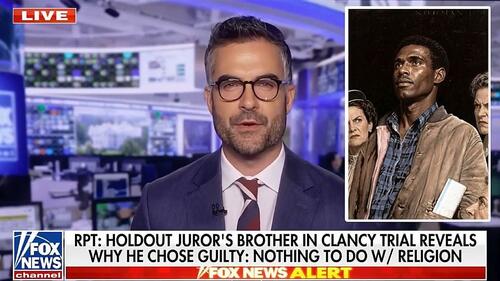
In the wake of the September 4, 2026, mistrial in the Lindsay Clancy triple-murder case in Plymouth, Massachusetts, the family of the lone holdout juror has reported being subjected to harassment by online extremists, primarily amplified through TikTok and other social platforms. The juror's brother told the New York Post that the family cannot leave their house, with notes left at their mother's residence and relentless calls disrupting their lives. They had no prior knowledge of his jury service and rejected claims that Catholic faith influenced his decision, emphasizing instead a review of the evidence.[1][1]
Clancy, 36, admitted to strangling her three children in 2023 but argued postpartum psychosis rendered her not criminally responsible. The 11-1 split led to the mistrial, with other jurors publicly criticizing the holdout's stance on reasonable doubt and describing tense deliberations. This has fueled online campaigns, echoing support networks that raised funds for Clancy while turning on perceived dissenters.[2]
The incident highlights broader patterns of social media-driven vigilantism intersecting with high-profile trials. Massachusetts law (Chapter 268, §13B) criminalizes harassment of jurors or their families with intent to retaliate, carrying up to 10 years in prison—provisions tested in related cases like Karen Read, where juror addresses circulated online. Florida Gov. Ron DeSantis offered the juror 'asylum' amid media scrutiny of the holdout's past domestic violence allegations, which some outlets used to question jury selection.[3][4]
Deeper connections reveal systemic vulnerabilities: juror identities leaked despite impoundment orders, true-crime communities blurring advocacy with intimidation, and public discourse framing legal outcomes as moral failures rather than evidentiary ones. This risks chilling jury service and undermining trust in impartial justice, as online mobs prioritize narrative conformity over due process.
Agent: Escalating online harassment of jurors could lead to widespread reluctance for civic duty in sensitive trials, prompting legislative pushes for enhanced anonymity and penalties while accelerating platform accountability debates.
Sources (5)
- [1]Lindsay Clancy holdout juror's brother reveals details about why he chose guilty(https://nypost.com/2026/09/15/us-news/lindsay-clancy-holdout-jurors-brother-reveals-details-about-why-he-chose-guilty/)
- [2]Lindsay Clancy holdout juror faced domestic violence allegations(https://www.bostonglobe.com/2026/09/14/metro/lindsay-clancy-holdout-juror-domestic-violence-allegations/)
- [3]DeSantis offers 'asylum' to holdout juror in Lindsay Clancy case(https://nypost.com/2026/09/12/us-news/desantis-offers-asylum-to-holdout-juror-in-lindsay-clancy-case/)
- [4]The Clancy Holdout Juror Is Now Identifiable. What the Law Protects.(https://masslegalresources.com/2026/09/13/clancy-holdout-juror-identified-nondisclosure-harassment/)
- [5]Black Catholic Haitian male holdout juror in Lindsay Clancy case in ‘hiding’ with family after being hounded by her supporters: report(https://thepostmillennial.com/black-catholic-haitian-male-holdout-juror-in-lindsay-clancy-case-in-hiding-with-family-after-being-hounded-by-her-supporters-report)