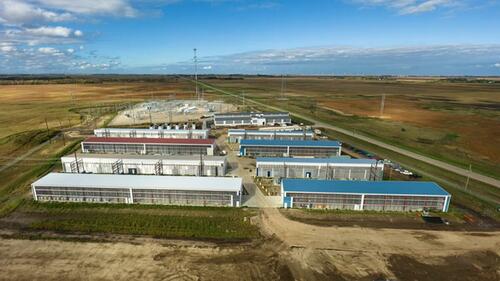
PJM and ERCOT Grid Warnings Tie Data Center Load Growth to Reserve Margin Erosion
AI infrastructure expansion is constrained by grid performance limits rather than raw generation capacity. Primary records from PJM, ERCOT and EPRI show load concentration is stressing transmission and balancing systems faster than supply additions can resolve. Policy focus on permitting speed overlooks the need for architectures that manage volatility at constrained nodes.
Grid operators in PJM and ERCOT have issued formal assessments showing data center load growth outpacing prior forecasts, with PJM citing interconnection queues exceeding 100 GW and ERCOT modeling peak demand scenarios that compress reserve margins below historic planning thresholds. These filings follow EPRI analysis projecting data centers could consume 8-12% of US electricity by 2030, concentrated in a handful of nodes. The pattern reveals interconnection queues and transmission constraints as immediate bottlenecks rather than aggregate generation shortfalls. Federal actions under Executive Order 14156 have accelerated permitting reviews, yet they prioritize megawatt additions over dynamic response capabilities required for variable AI loads. Resource adequacy models remain calibrated to steady industrial demand profiles that no longer match observed hyperscale consumption patterns. Utilities now face simultaneous pressure to approve large-load tariffs while maintaining frequency stability under rapid ramp rates.
PJM: Reserve margins drop below 15% by summer 2027 if more than 40 GW of queued data center load clears interconnection studies without corresponding transmission upgrades.
Sources (3)
- [1]Utility Dive Article on AI Power Infrastructure(https://www.utilitydive.com/news/ai-data-center-power-grid-infrastructure/)
- [2]PJM 2024 Reserve Margin Report(https://www.pjm.com/-/media/planning/reserve-margin/2024-pjm-reserve-margin-analysis.ashx)
- [3]EPRI Data Center Electricity Consumption Forecast(https://www.epri.com/research/products/000000003002028000)