Hezbollah's Fiber-Optic Drones: Low-Cost Tech Exposes Vulnerabilities in High-Tech Militaries
Hezbollah's fiber-optic drones, immune to jamming and drawn from Ukraine tactics, successfully struck Israeli positions in Galilee on April 30, 2026, injuring 12 soldiers. This represents a significant shift in asymmetric warfare, revealing how inexpensive tech undermines billion-dollar defense systems and foreshadows wider disruption in modern conflicts.
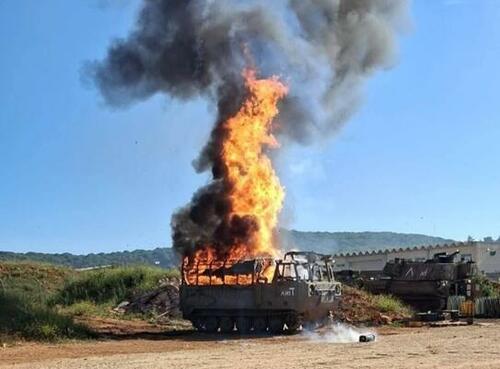
Hezbollah's deployment of fiber-optic guided FPV drones has emerged as a potent example of asymmetric warfare, demonstrating how affordable, jam-resistant technology can neutralize advantages held by advanced militaries. On April 30, 2026, the group struck an Israeli artillery position near Shomera in the western Galilee, injuring 12 soldiers and destroying a military vehicle through direct impact and secondary explosions from ammunition. Israeli outlets reported the drone likely used fiber-optic guidance, marking its first confirmed use in that area.[1][2]
Unlike radio-controlled or GPS-dependent systems, these drones unspool a thin fiber-optic cable that transmits real-time video and control signals directly from operator to aircraft. This renders them immune to electronic jamming and difficult for radar to detect, especially when flown low and fast. The technology, widely employed in the Ukraine conflict by both Russian and Ukrainian forces, allows ranges reportedly up to tens of kilometers while maintaining precision maneuvering that exceeds some anti-tank missiles like the Kornet.[3][4]
Recent weeks have seen multiple successful strikes in southern Lebanon, including a fatal attack that killed an Israeli soldier and wounded others during a medical evacuation, where follow-up drones nearly hit a helicopter. Israeli forces are responding with improvised measures like anti-drone netting on vehicles, acknowledging that existing multibillion-dollar systems such as radar networks and electronic warfare suites offer limited protection against this threat.[5][6]
This development goes beyond tactical innovation in the Israel-Hezbollah conflict. It highlights a broader global trend: low-cost commercial and modified technologies are disrupting traditional power balances. In Ukraine, fiber-optic FPV drones have become standard for targeting armor and positions precisely because they defeat sophisticated electronic defenses. Hezbollah's adoption, likely drawing from Iranian or independent manufacturing expertise, signals how non-state actors can acquire capabilities once reserved for major powers. Analysts note this forces a reevaluation of military doctrine, where investment in expensive platforms may yield diminishing returns against swarms of cheap, autonomous or cable-guided systems.
The Shomera strike coincided with fragile ceasefire dynamics, as Israel weighs expanded operations while Hezbollah maintains pressure on northern communities and occupied border areas. By extending operations into the Galilee with these drones, Hezbollah exploits vulnerabilities in convoy protection, artillery sites, and rear-area logistics—targets traditionally considered safer. This mirrors historical asymmetric tactics but amplified by readily available 21st-century tools.
As conflicts evolve, the proliferation of fiber-optic and AI-enhanced low-cost drones suggests future battlefields will favor adaptability and attrition over technological supremacy alone. Advanced militaries like Israel's IDF are now racing to develop physical interceptors, better netting, and new detection methods, underscoring how a spool of cable thinner than dental floss can rewrite engagement rules.
LIMINAL: Affordable fiber-optic drones are leveling the battlefield, allowing irregular forces to inflict outsized damage on technologically superior armies and accelerating a global shift toward cheap, resilient autonomous systems in future wars.
Sources (5)
- [1]Hezbollah Using Fiber-Optic Drones Against Israeli Targets(https://www.nytimes.com/2026/04/30/world/middleeast/hezbollah-fiber-optic-drones.html)
- [2]How Hezbollah’s fibre optic drones test Israel’s sophisticated radar system(https://www.aljazeera.com/news/2026/4/29/how-hezbollahs-fibre-optic-drones-test-israels-sophisticated-radar-system)
- [3]Soldier killed, 15 injured in Hezbollah drone attacks(https://www.timesofisrael.com/12-soldiers-injured-by-hezbollah-drone-in-northern-israel-idf-strikes-in-lebanon/)
- [4]Hezbollah adopts fiber-optic drones, used widely in Ukraine war(https://apnews.com/article/hezbollah-israel-drones-fiber-optic-war-00cd07852f49ade04ed0a6fde505d987)
- [5]Hezbollah adopts a new weapon: Fiber-optic drones, used widely in the war in Ukraine(https://www.washingtonpost.com/world/2026/04/30/hezbollah-israel-drones-fiber-optic-war/9784862a-445b-11f1-b19d-32431046b5b4_story.html)