AI Regulation Emerges as Flashpoint in 2026 Midterms as Trump Dismisses Safety Fears, Harris Pushes Oversight
Trump and Harris stake opposing positions on AI acceleration vs. regulation, elevating the issue for 2026 midterms amid voter concerns and industry warnings; corroborated by Axios, CNN, Politico, NYT, and others.
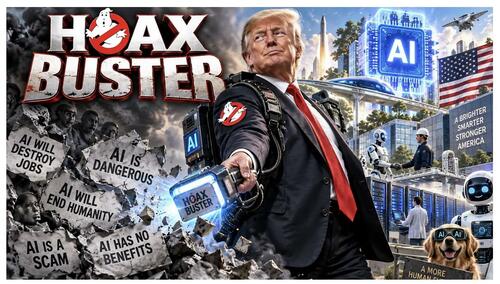
President Donald Trump has sharply rejected calls to slow frontier AI development, labeling existential safety concerns a 'hoax' and positioning himself as the 'Hoax Buster' in a series of Truth Social posts and a surprise call to Nvidia CEO Jensen Huang at the All-In Summit. Trump argued that rapid AI advancement, including data centers, represents 'the Greatest Economic Development Engine in History' and that excessive regulation would cede ground to China, comparing the warnings to past political hoaxes like climate change and the Russia investigation.[1][2]
In contrast, former Vice President Kamala Harris urged Congress to pass urgent legislation creating a new federal entity for oversight and independent testing of advanced AI models, while calling for an international agreement—including with China—to establish safety standards and limit development speed. Harris warned that AI is advancing at an 'alarming speed' and risks escaping human control without guardrails.[3][4]
The divide has thrust AI policy into the center of the 2026 midterm debate, with polls showing broad voter skepticism: a New York Times/Siena survey found 61% of voters oppose new data center construction, and majorities across parties favor federal regulation and safety testing. Democrats and some Republicans in Congress are pushing for new oversight amid industry warnings from figures like Anthropic's Dario Amodei, while Trump's accelerationist stance aligns with voluntary measures but clashes with growing public and legislative pressure.[5][6]
Market ripples followed the rhetoric, as AI-linked stocks dipped amid uncertainty over potential regulatory constraints on the investment boom. The episode highlights how AI has transitioned from a niche tech issue to a political and economic battleground, with implications for U.S. competitiveness, infrastructure, and global governance.
Political analysts: The Trump-Harris AI split will intensify partisan divides on tech policy, pressuring Congress toward compromise legislation before midterms while testing whether accelerationist messaging resonates with voters wary of data centers and risks.
Sources (6)
- [1]'I am the Hoax Buster': Trump's war on AI doomers gets personal(https://www.axios.com/2026/09/15/trump-ai-doom-safety-regulation-hoax)
- [2]Trump says AI fears a ‘hoax’ on call with Nvidia CEO(https://www.cnn.com/2026/09/15/us/video/trump-says-ai-fears-a-hoax-on-call-with-nvidia-ceo-digvid-vrtc-hnk)
- [3]Kamala Harris asks Congress for a new AI regulator and a treaty with China(https://thenextweb.com/news/kamala-harris-ai-federal-regulator-china-treaty)
- [4]Harris backs AI slowdown amid growing safety fears(https://www.politico.com/news/2026/09/14/harris-backs-ai-slowdown-amid-growing-safety-fears-01075746)
- [5]A.I. Is Unpopular With Voters, a New York Times/Siena Poll Finds(https://www.nytimes.com/2026/09/15/us/politics/ai-polls-midterms.html)
- [6]Trump’s AI Stance Puts Him at Odds With Lawmakers, Voters Ahead of Midterms(https://www.bloomberg.com/news/articles/2026-09-15/trump-s-ai-defense-defies-voter-unease-heading-into-midterms)